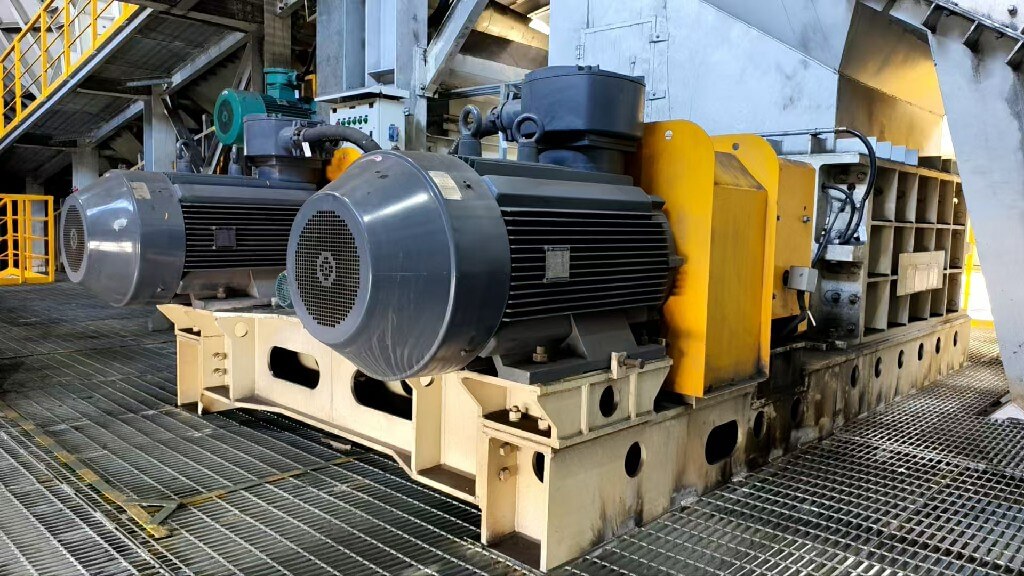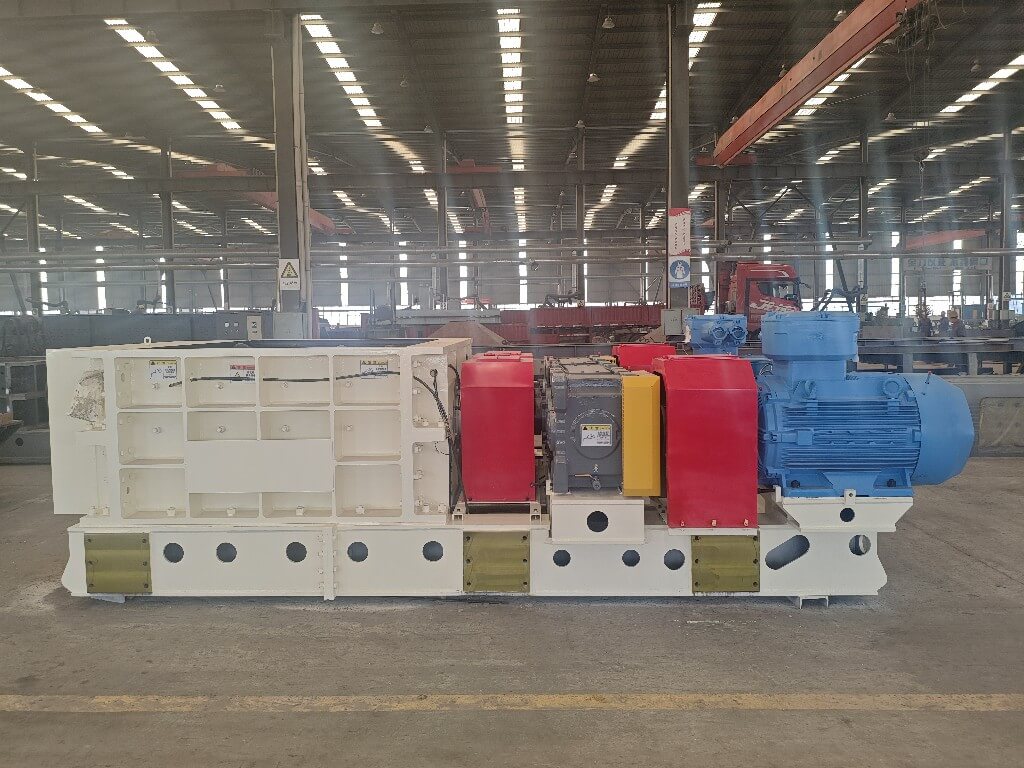
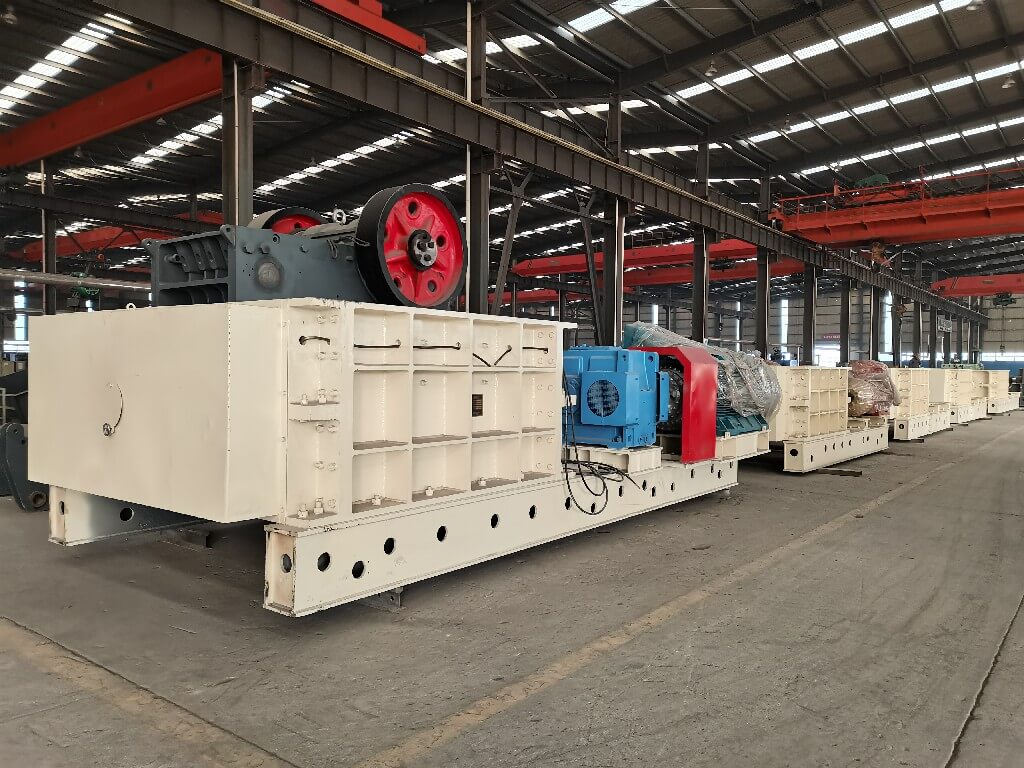
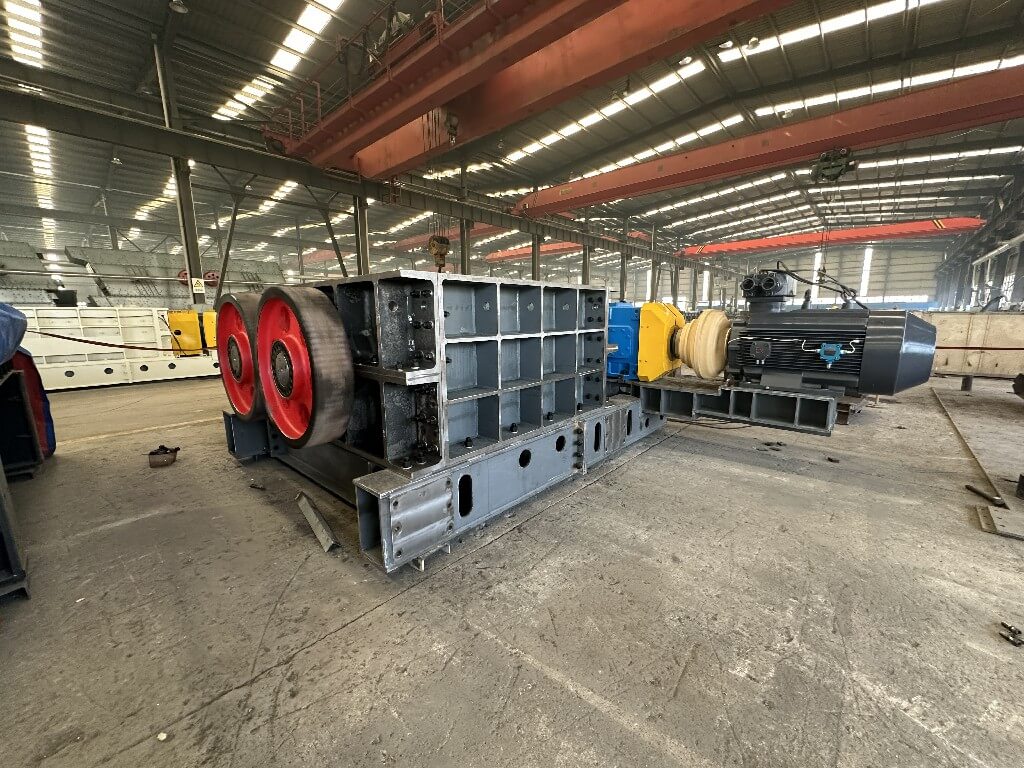
Double Teeth Roller Crusher
Categories
Coal Sizer / Mineral SizerCrusher MachineFor products
Documents
Contact Us
Product Overview
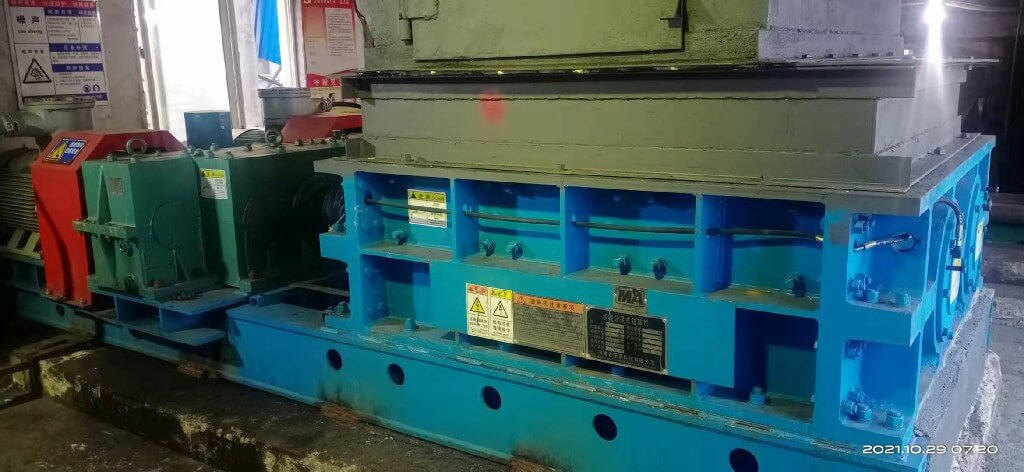
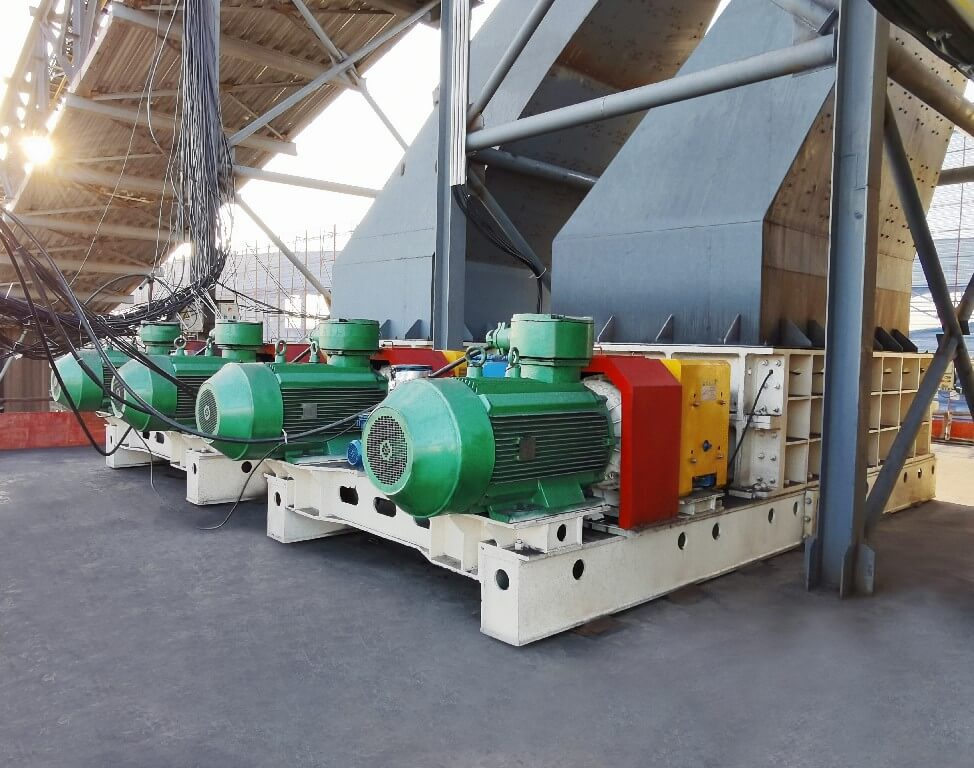
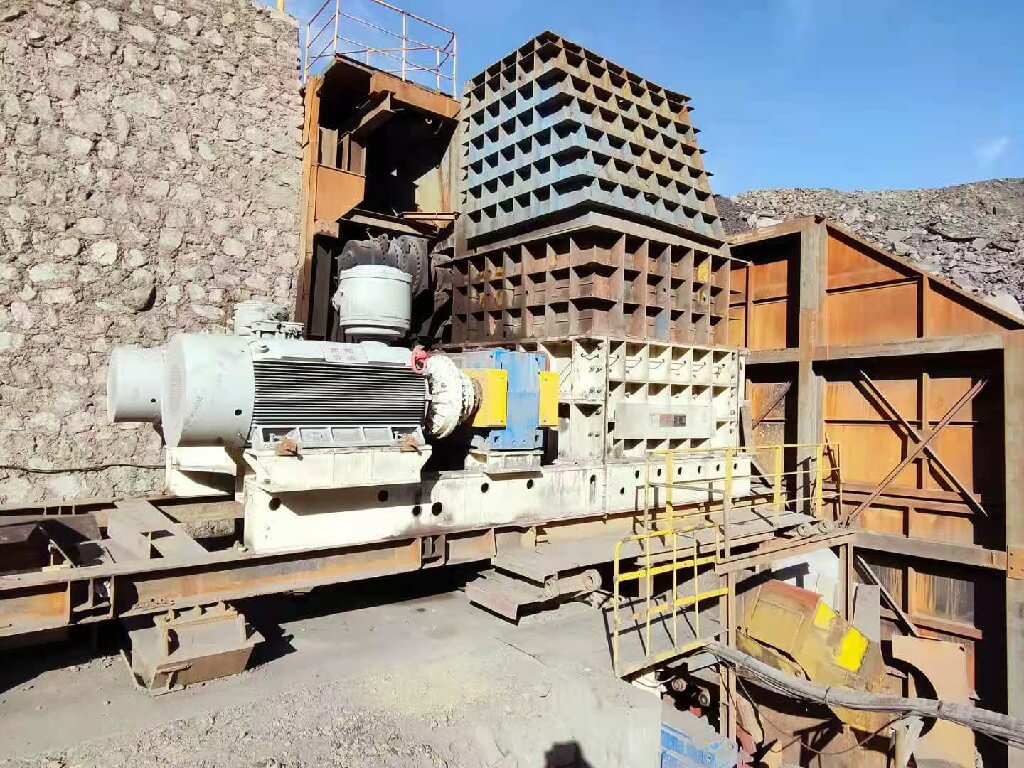
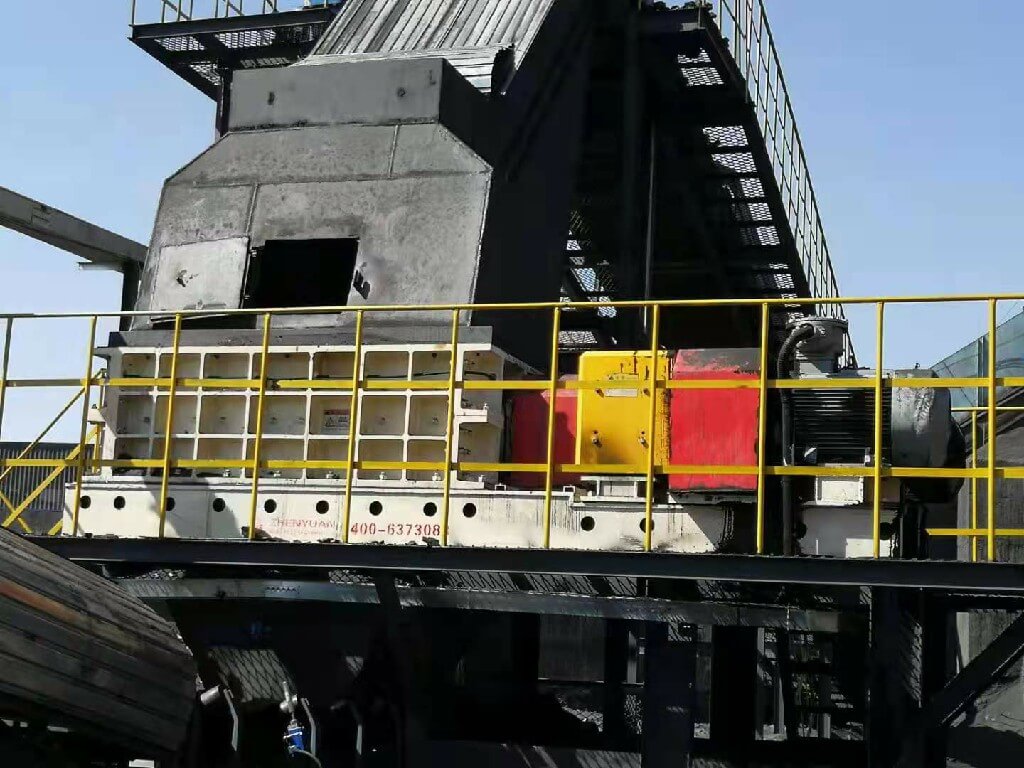
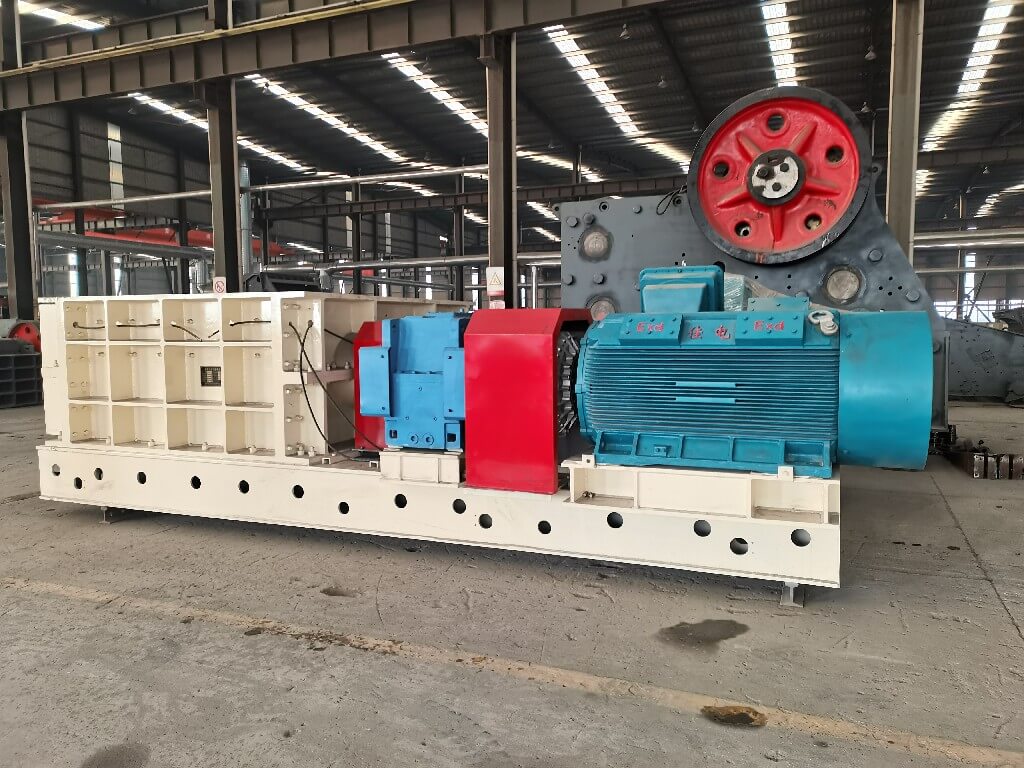
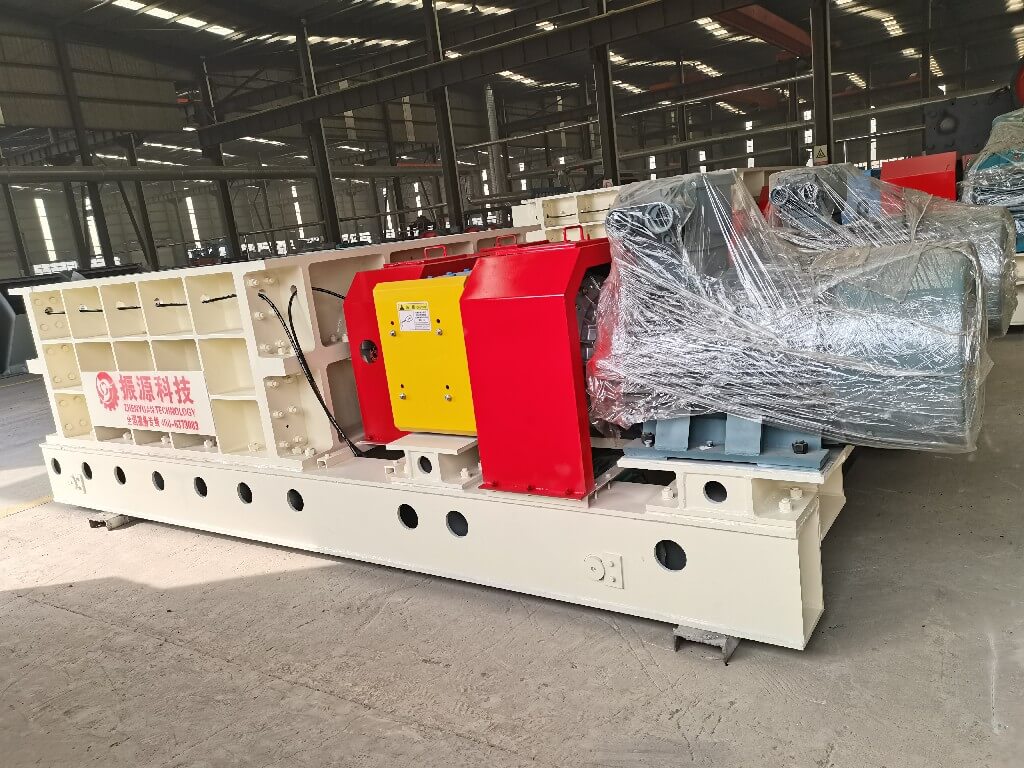
A Double Teeth Roller Crusher is a heavy-duty crushing machine equipped with two toothed rollers that rotate toward each other to break bulk materials into smaller pieces. It is widely used in coal preparation, mining, mineral processing and other applications where feed material needs controlled size reduction with a relatively simple crushing arrangement.
The two rollers work together as the material passes through the crushing zone. The teeth grip, split and shear the incoming lumps, while the roller spacing determines the approximate discharge size. This crushing method is particularly useful for materials that can be effectively reduced through tooth engagement rather than high-impact fragmentation.
How Does a Double Teeth Roller Crusher Work?
The working process can be described as:
Feed → Tooth Engagement → Compression & Shearing → Size Reduction → Discharge
Material enters from the top and falls between the two counter-rotating toothed rollers. As the teeth engage with the feed, larger lumps are pulled into the crushing gap.
The opposing rollers apply mechanical forces to the material, causing it to crack, split and shear along natural or induced fracture surfaces. Once the material has been reduced sufficiently, it passes through the space between the rollers and leaves the crusher from the bottom.
The tooth profile, roller diameter, rotational speed and gap setting influence crushing performance and final product size.
Key Features
Double Toothed Roll Structure
Two toothed rollers create a continuous crushing zone. Their coordinated rotation helps capture incoming lumps and maintain a steady crushing process.
Strong Tooth Engagement
The teeth penetrate and grip suitable feed materials, making the crusher effective for large, irregular lumps that require mechanical splitting and shearing.
Controlled Discharge Size
The distance between the rollers, together with tooth geometry and operating conditions, influences the size of the discharged material.
Suitable for Coal and Bulk Materials
The crushing principle is particularly applicable to coal and selected minerals where controlled reduction is required without relying primarily on high-speed impact.
Compact Crushing Arrangement
The twin-roll configuration provides a relatively compact crushing mechanism, which can simplify integration into material-handling and processing systems.
Replaceable Crushing Teeth
The teeth are wear components and can be configured or replaced according to the material characteristics and operating conditions.
Technical Specifications
| Parameter | Specification |
|---|---|
| Equipment Type | Double Teeth Roller Crusher |
| Crushing Principle | Compression, Splitting & Shearing |
| Crushing Mechanism | Two Toothed Rollers |
| Drive Type | Electric |
| Material | Coal, Limestone and Suitable Minerals |
| Capacity | Application Dependent |
| Maximum Feed Size | Project Dependent |
| Discharge Size | Project Dependent |
| Tooth Configuration | Customized |
| Motor Power | Application Dependent |
| Installation | Stationary / Customized |
Actual specifications should be determined according to feed characteristics, required throughput, product size and plant configuration.
Main Components & Design
Toothed Rollers
The two rollers form the primary working mechanism. Their diameter, surface configuration and rotational relationship affect material capture and reduction.
Crusher Teeth
Teeth directly contact the feed material. Tooth shape, spacing and wear resistance can be selected according to material properties.
Drive System
The motor, coupling and transmission components provide the torque required to rotate the crushing rollers.
Bearings
Heavy-duty bearings support the roller shafts and accommodate the mechanical loads generated during crushing.
Crusher Frame
The frame holds the rollers, bearings and drive assemblies in the required alignment.
Gap Adjustment
The roller gap can be configured according to the desired product size and material characteristics, depending on the crusher design.
Applications & Materials
A Double Teeth Roller Crusher can be used in applications such as:
- Coal crushing and preparation
- Coal-fired power plant fuel preparation
- Mining material reduction
- Limestone processing
- Mineral preparation
- Bulk-material size reduction
Commonly considered materials include:
- Run-of-mine coal
- Thermal coal
- Lignite
- Limestone
- Shale
- Gypsum
- Selected soft and medium-strength minerals
Material suitability depends on hardness, abrasiveness, moisture, clay content and lump size. Highly hard and abrasive feed may require a different crusher configuration or specialized wear protection.
How to Choose the Right Double Teeth Roller Crusher?
The correct Double Teeth Roller Crusher depends on both the material and the required crushing result.
Start with the maximum feed lump size and required capacity. Large feed requires sufficient roller diameter and an appropriate crushing opening, while higher throughput may require larger rollers or a different drive configuration.
Next, define the target discharge size. The roller gap and tooth arrangement should be selected around the required product specification rather than capacity alone.
Coal and mineral properties also influence the design. Moisture and clay can affect material flow, while hardness and abrasiveness determine tooth wear and drive requirements.
The crusher should also match the rest of the plant. A typical arrangement may include:
Feeder → Double Teeth Roller Crusher → Screen → Conveyor
For equipment selection, provide the material type, maximum feed size, required capacity, target discharge size, moisture condition and application.
Advantages & Customization
The toothed twin-roll arrangement provides a direct mechanical method for reducing suitable bulk materials. For coal and compatible minerals, it can combine material capture with controlled crushing in a continuous process.
Possible customization areas include:
- Roller diameter
- Roller width
- Tooth profile
- Tooth spacing
- Crushing gap
- Motor power
- Drive arrangement
- Wear-resistant materials
- Frame dimensions
- Feed and discharge configuration
Tooth geometry is especially important because different materials require different approaches to material capture, fracture and wear resistance.
Frequently Asked Questions
A Double Teeth Roller Crusher is a crushing machine with two toothed rollers that rotate toward each other to grip, split and shear suitable bulk materials.
Material enters between the two rotating rollers. The teeth capture the lumps and apply mechanical forces that break the material before it passes through the roller gap.
It is commonly used for coal crushing, mineral preparation, limestone processing and other bulk-material size-reduction applications.
Yes. Double Teeth Roller Crushers are commonly used for suitable coal types because the toothed rollers can grip and reduce large coal lumps in a controlled crushing process.
Yes. Roller dimensions, tooth configuration, drive system, crushing gap, wear protection and overall dimensions can be adapted to project requirements.
| Primary Double Teeth Roller Crusher | ||||
| 150 Series Primary Double Teeth Roller Crusher | ||||
| Model&Specification | 2PLF-150/250 | 2PLF-150/300 | 2PLF-150/350 | 2PLF-150/400 |
| Roller Diameter(mm) | 1500 | 1500 | 1500 | 1500 |
| Roller Length(mm) | 2500 | 3000 | 3500 | 4000 |
| Input Size(mm) | ≤1500 | ≤1500 | ≤1500 | ≤1500 |
| Output Size(mm) | ≤300 | ≤300 | ≤300 | ≤300 |
| Capacity(t/h) | ≤4500 | ≤5500 | ≤6500 | ≤7500 |
| 140 Series Primary Double Teeth Roller Crusher | ||||
| Model&Specification | 2PLF-140/200 | 2PLF-140/250 | 2PLF-140/300 | 2PLF-140/350 |
| Roller Diameter(mm) | 1400 | 1400 | 1400 | 1400 |
| Roller Length(mm) | 2000 | 2500 | 3000 | 3500 |
| Input Size(mm) | ≤1400 | ≤1400 | ≤1400 | ≤1400 |
| Output Size(mm) | ≤300 | ≤300 | ≤300 | ≤300 |
| Capacity(t/h) | ≤3000 | ≤4000 | ≤5000 | ≤6000 |
| 120 Series Primary Double Teeth Roller Crusher | ||||
| Model&Specification | 2PLF-120/150 | 2PLF-120/200 | 2PLF-120/250 | 2PLF-120/300 |
| Roller Diameter(mm) | 1200 | 1200 | 1200 | 1200 |
| Roller Length(mm) | 1500 | 2000 | 2500 | 3000 |
| Input Size(mm) | ≤1200 | ≤1200 | ≤1200 | ≤1200 |
| Output Size(mm) | ≤300 | ≤300 | ≤300 | ≤300 |
| Capacity(t/h) | ≤1500 | ≤2000 | ≤2500 | ≤3000 |
| 100 Series Primary Double Teeth Roller Crusher | ||||
| Model&Specification | 2PLF-100/120 | 2PLF-100/150 | 2PLF-100/200 | 2PLF-100/250 |
| Roller Diameter(mm) | 1000 | 1000 | 1000 | 1000 |
| Roller Length(mm) | 1200 | 1500 | 2000 | 2500 |
| Input Size(mm) | ≤1000 | ≤1000 | ≤1000 | ≤1000 |
| Output Size(mm) | ≤300 | ≤300 | ≤300 | ≤300 |
| Capacity(t/h) | ≤800 | ≤1200 | ≤1500 | ≤2000 |
| Secondary Double Teeth Roller Crusher | ||||||||||
| 100 Series Secondary Double Teeth Roller Crusher | ||||||||||
| Model&Specification | 2PLF-100/150 | 2PLF-100/200 | 2PLF-100/250 | 2PLF-100/300 | 2PLF100/350 | |||||
| Roller Diameter(mm) | 1000 | 1000 | 1000 | 1000 | 1000 | |||||
| Roller Length(mm) | 1500 | 2000 | 2500 | 3000 | 3500 | |||||
| Input Size(mm) | ≤400 | ≤400 | ≤400 | ≤400 | ≤400 | |||||
| Output Size(mm) | 50-150 | 50-150 | 50-150 | 50-150 | 50-150 | |||||
| Capacity(t/h) | 400-800 | 500-1000 | 650-1200 | 800-1500 | 1000-1800 | |||||
| 80 Series Secondary Double Teeth Roller Crusher | ||||||||||
| Model&Specification | 2PLF-80/150 | 2PLF-80/200 | 2PLF-80/250 | 2PLF-80/300 | ||||||
| Roller Diameter(mm) | 800 | 800 | 800 | 800 | ||||||
| Roller Length(mm) | 1500 | 2000 | 2500 | 3000 | ||||||
| Input Size(mm) | ≤300 | ≤300 | ≤300 | ≤300 | ||||||
| Output Size(mm) | 50-150 | 50-150 | 50-150 | 50-150 | ||||||
| Capacity(t/h) | 300-500 | 400-800 | 500-1200 | 600-1500 | ||||||
| 60 Series Secondary Double Teeth Roller Crusher | ||||||||||
| Model&Specification | 2PLF-60/120 | 2PLF-60/160 | 2PLF-60/200 | |||||||
| Roller Diameter(mm) | 600 | 600 | 600 | |||||||
| Roller Length(mm) | 1200 | 1600 | 2000 | |||||||
| Input Size(mm) | ≤300 | ≤300 | ≤300 | |||||||
| Output Size(mm) | 50-150 | 50-150 | 50-150 | |||||||
| Capacity(t/h) | 200-400 | 250-600 | 300-800 | |||||||