Why Roller Shaft Assembly Matters
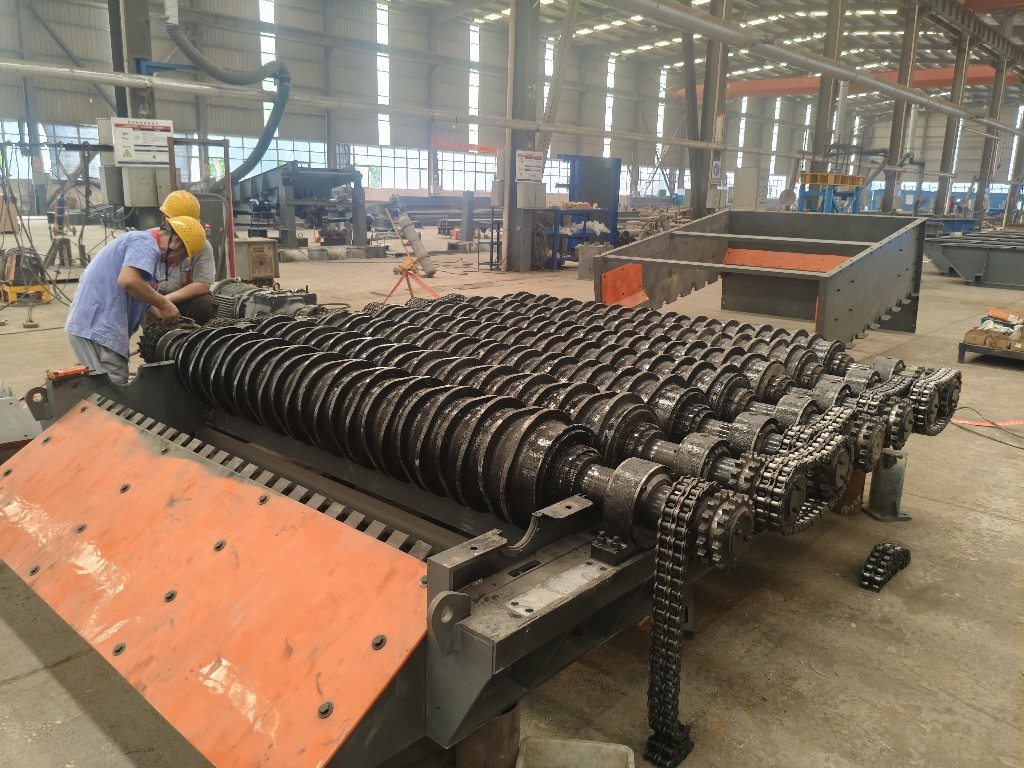
A Roller Shaft Assembly plays a key role in the performance of Roller Screens. It controls material movement, screening accuracy, and equipment stability. When engineers choose the right shaft quantity and blade design, the screen works faster and runs more smoothly.
Material Type Affects the Design
Different materials need different roller shaft layouts. Wet or sticky materials need blades that reduce clogging and improve self-cleaning. Hard or abrasive materials need stronger shafts and wear-resistant blades. For coal, limestone, biomass, or construction waste, the material condition always guides the design choice.
Screening Size Decides Shaft Quantity
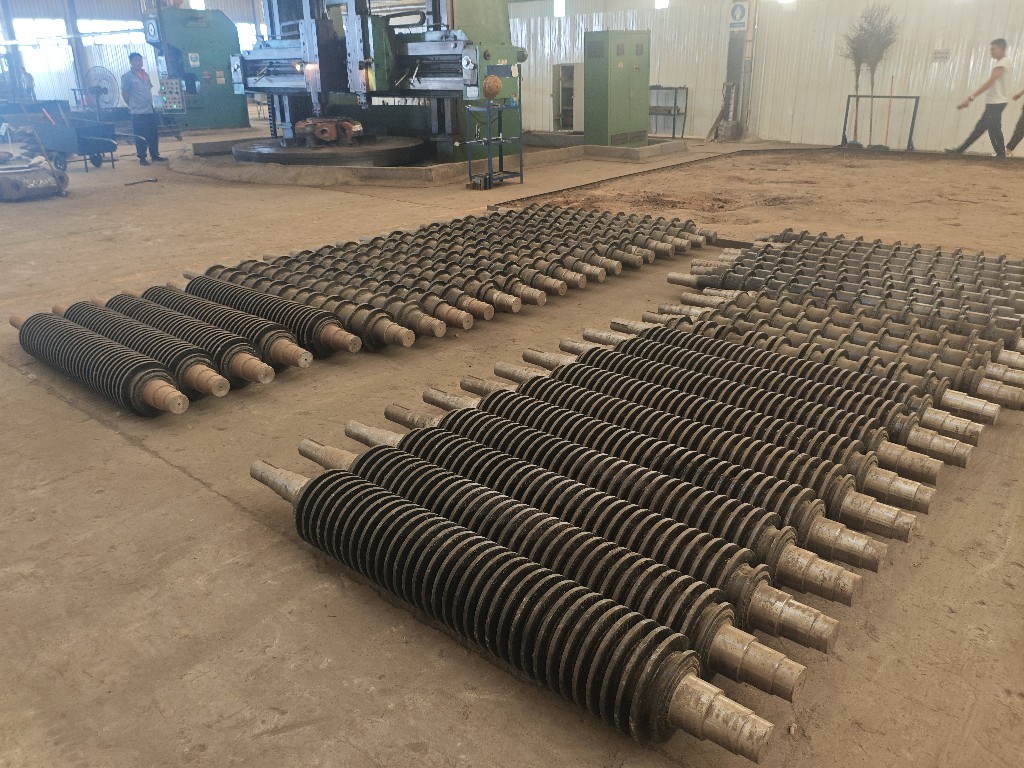
The required particle size also changes the Roller Shaft Assembly design. Fine screening usually needs more roller shafts and smaller gaps. Large-size screening often needs fewer shafts and wider spacing. This setup helps increase capacity and prevents material blockage.
Blade Selection Improves Screening Efficiency
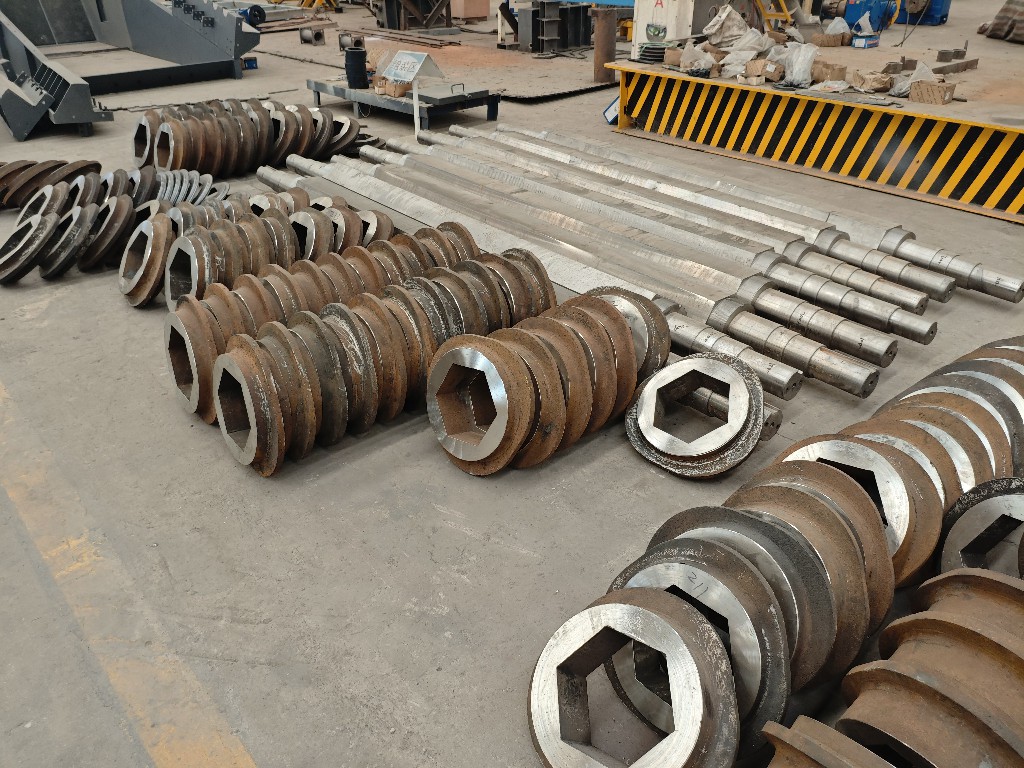
Blade shape, blade angle, and blade quantity all affect screening results. The right blade design helps move materials forward at a steady speed. It also improves separation accuracy. A good blade layout can reduce downtime and lower maintenance costs.
Choose a Customized Roller Screens Solution
A reliable Roller Screens manufacturer will match the shaft quantity and blade type to your material and target screening size. This custom design improves production efficiency and extends equipment life. It also helps your screening system handle demanding working conditions with better stability.
Frequently Asked Questions:
A Roller Shaft Assembly is the main working part inside Roller Screens. It uses rotating shafts and blades to move, separate, and screen bulk materials.
Wet, sticky, hard, or abrasive materials all need different shaft and blade designs. The right design helps reduce clogging, wear, and unstable operation.
Screening size decides the shaft spacing and shaft quantity. Fine screening needs tighter spacing. Coarse screening needs wider spacing for higher throughput.
Yes. Manufacturers can customize blade shape, thickness, angle, and material. This helps the Roller Screens match different industries and working conditions.