Product Overview
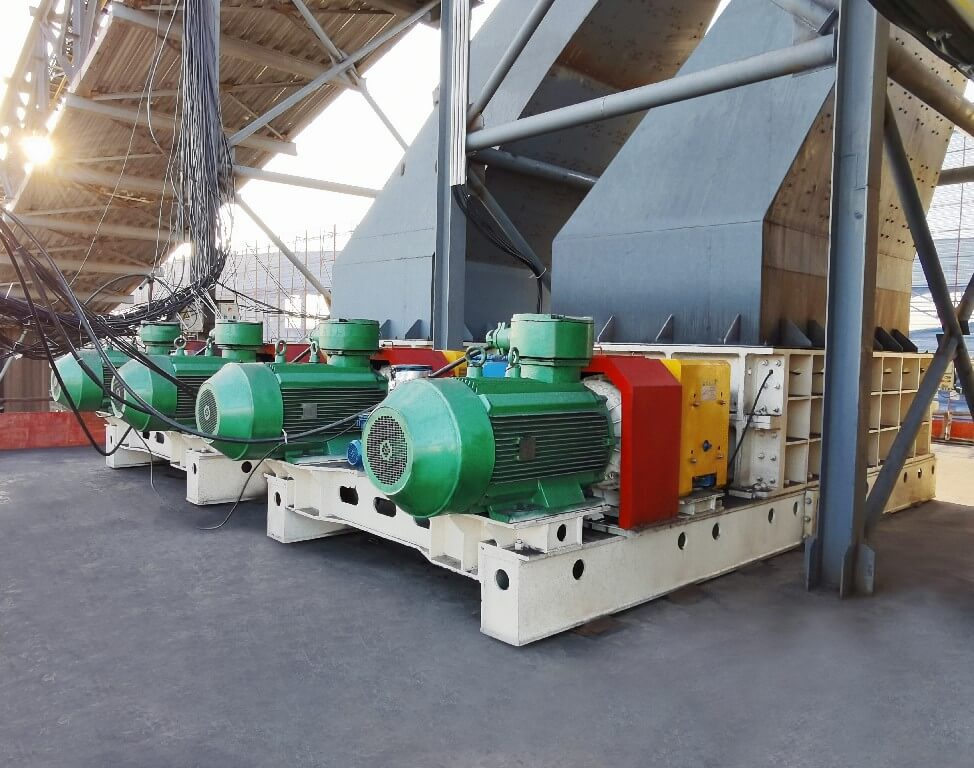
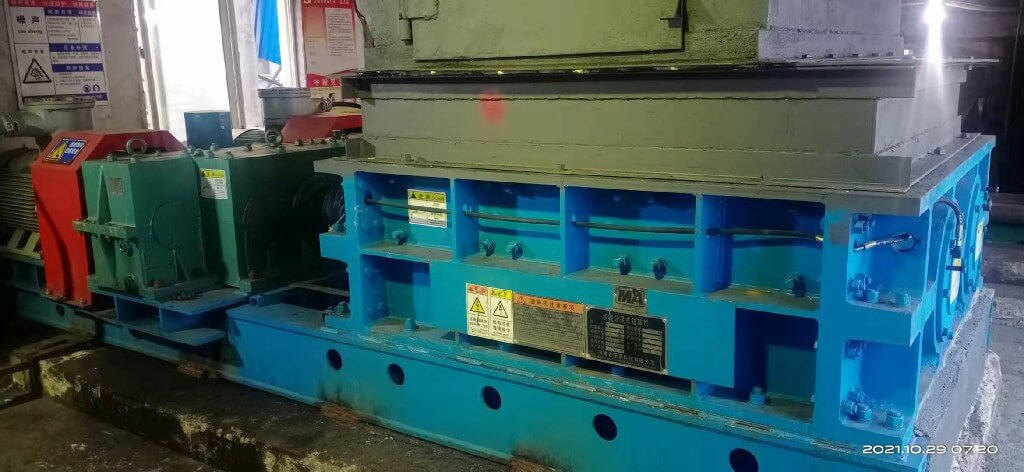
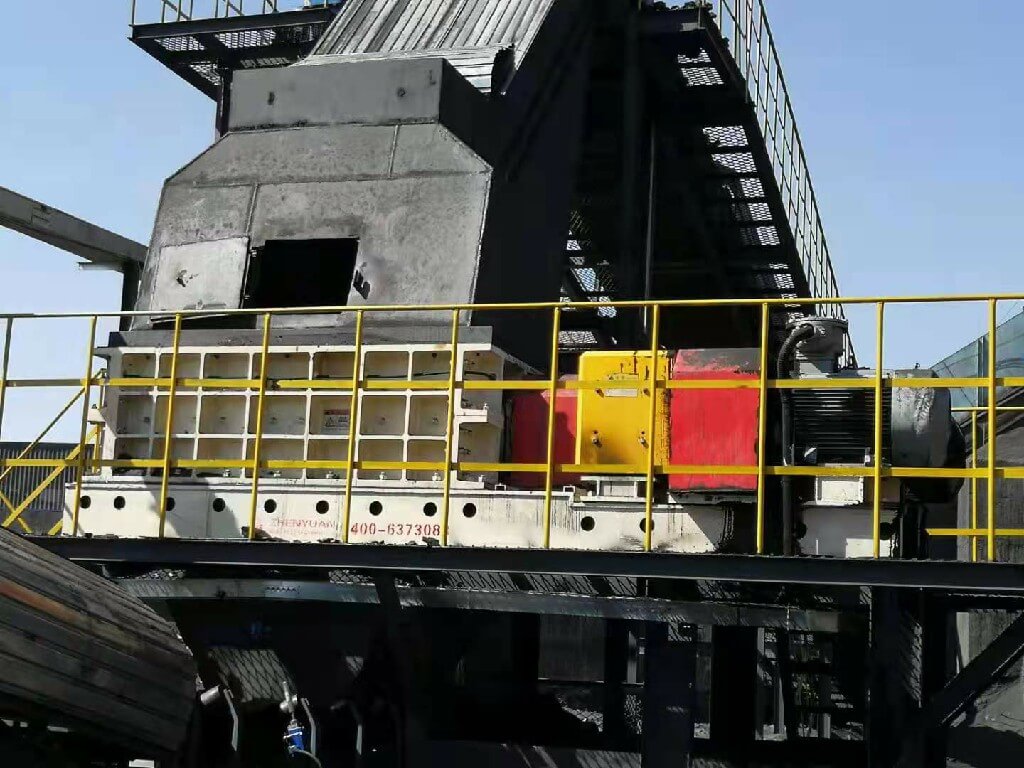
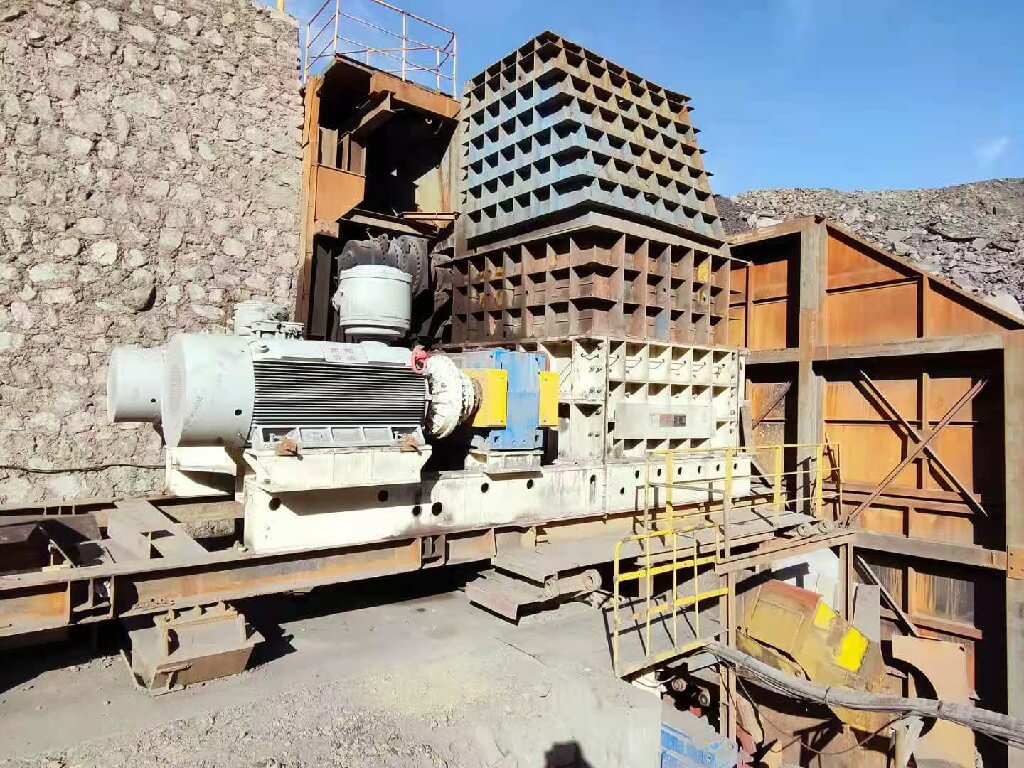
A Sizer Crusher is a heavy-duty crushing machine used to reduce large lumps of coal, limestone and other suitable minerals to a controlled product size. It typically uses low-speed, high-torque crushing rolls fitted with teeth or crushing elements to apply compression and shearing forces to the material.
Sizer crushers are commonly used in mining, coal handling and mineral processing plants where large feed material needs to be reduced before screening, conveying or further processing. The equipment can be configured for different capacities, feed sizes and product-size requirements according to the application.
How Does a Sizer Crusher Work?
A Sizer Crusher works through a controlled crushing process:
Feed → Material Capture → Compression & Shearing → Size Reduction → Discharge
Large lumps enter the crushing chamber and are captured by the rotating crushing rolls. The teeth or crushing elements pull the material into the crushing zone, where compression and shearing forces break the lumps into smaller pieces.
The roll configuration, tooth profile and crushing gap influence the final product size. Once the material reaches the required size, it passes through the crushing zone and is discharged to downstream equipment such as a screen or conveyor.
Key Features
Low-Speed, High-Torque Crushing
The low-speed, high-torque mechanism is suitable for processing large lumps while maintaining controlled crushing action.
Controlled Product Size
Roll geometry, crushing gap and tooth configuration can be selected according to the required product size.
Large Feed Handling
A suitable Sizer Crusher configuration can accept relatively large feed material, making it useful for ROM coal and other bulk materials.
Heavy-Duty Construction
The frame, shafts, bearings, drive system and crushing components can be engineered for demanding mining conditions.
Reduced Over-Crushing
The controlled crushing mechanism can help limit unnecessary size reduction when processing suitable materials.
Easy Process Integration
A Sizer Crusher can be integrated with apron feeders, screens and belt conveyors to form a complete material-handling circuit.
Technical Specifications
| Parameter | Specification |
|---|---|
| Equipment Type | Sizer Crusher |
| Crushing Principle | Compression & Shearing |
| Crushing Mechanism | Twin Crushing Rolls |
| Material | Coal, Limestone and Suitable Minerals |
| Capacity | Application Dependent |
| Maximum Feed Size | Project Dependent |
| Output Size | Project Dependent |
| Motor Power | Application Dependent |
| Drive Type | Electric |
| Installation | Stationary / Customized |
Actual specifications should be selected according to material properties, required capacity, feed size and target product size.
Main Components & Design
A heavy-duty Sizer Crusher generally consists of several major assemblies:
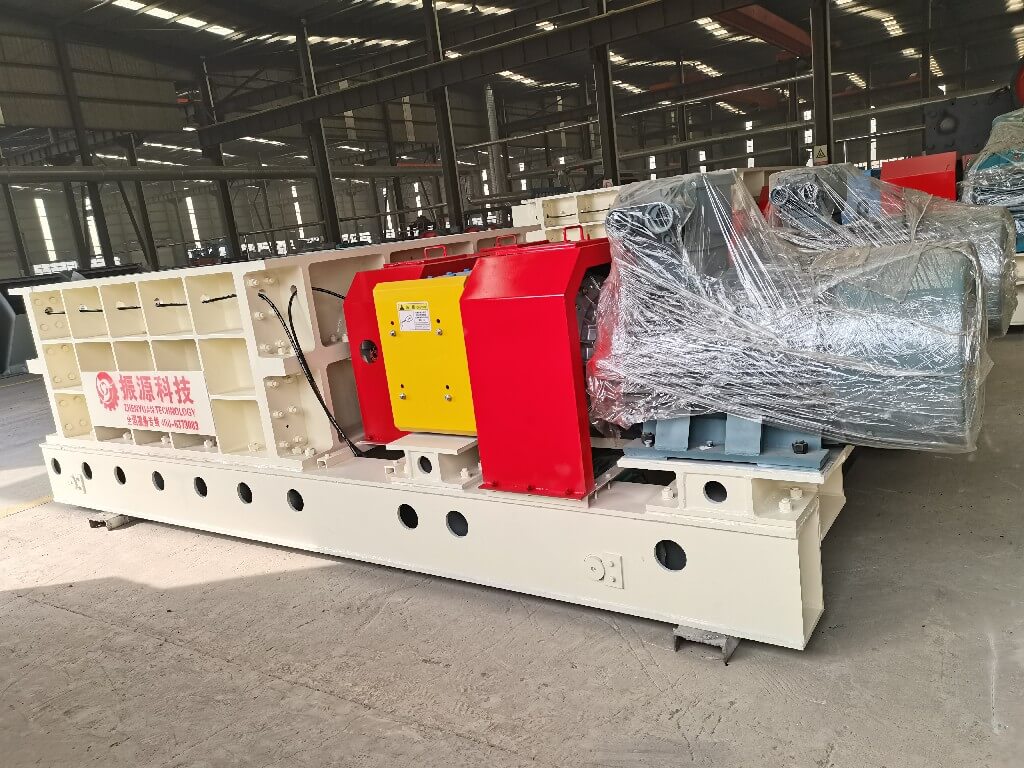
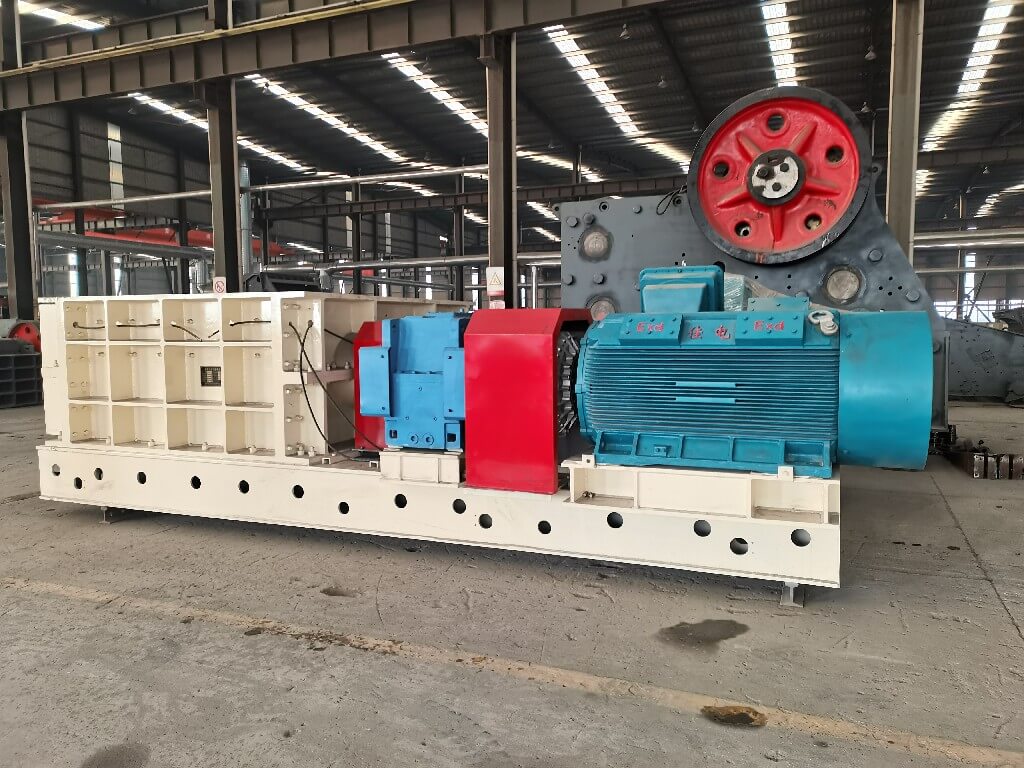
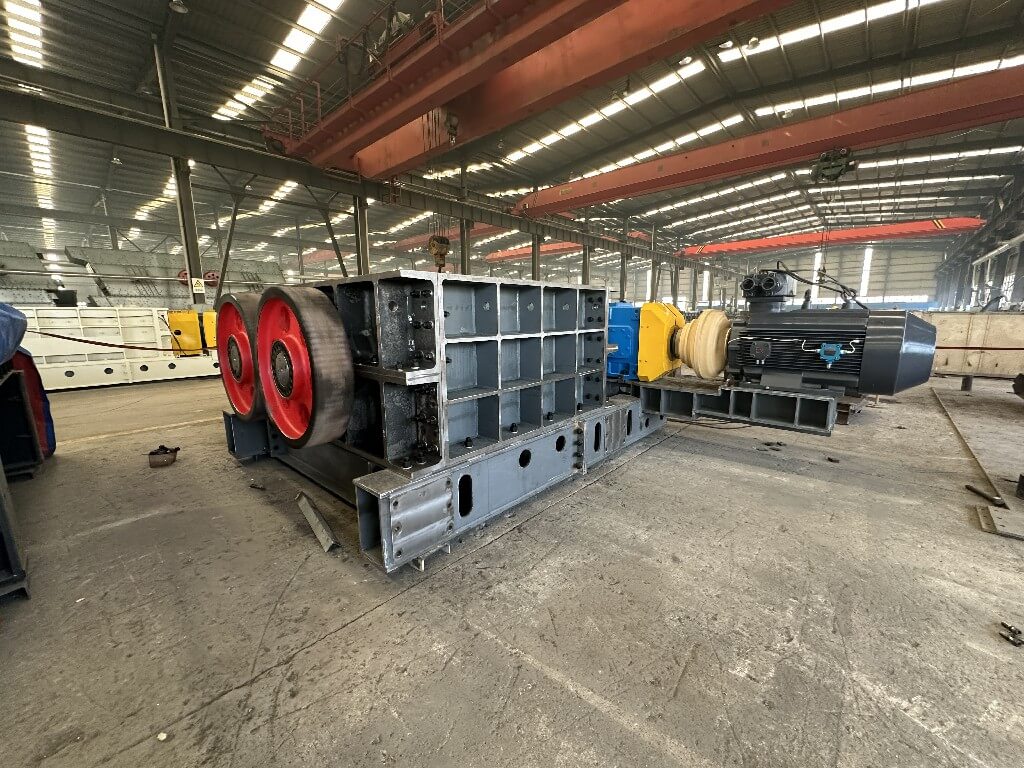
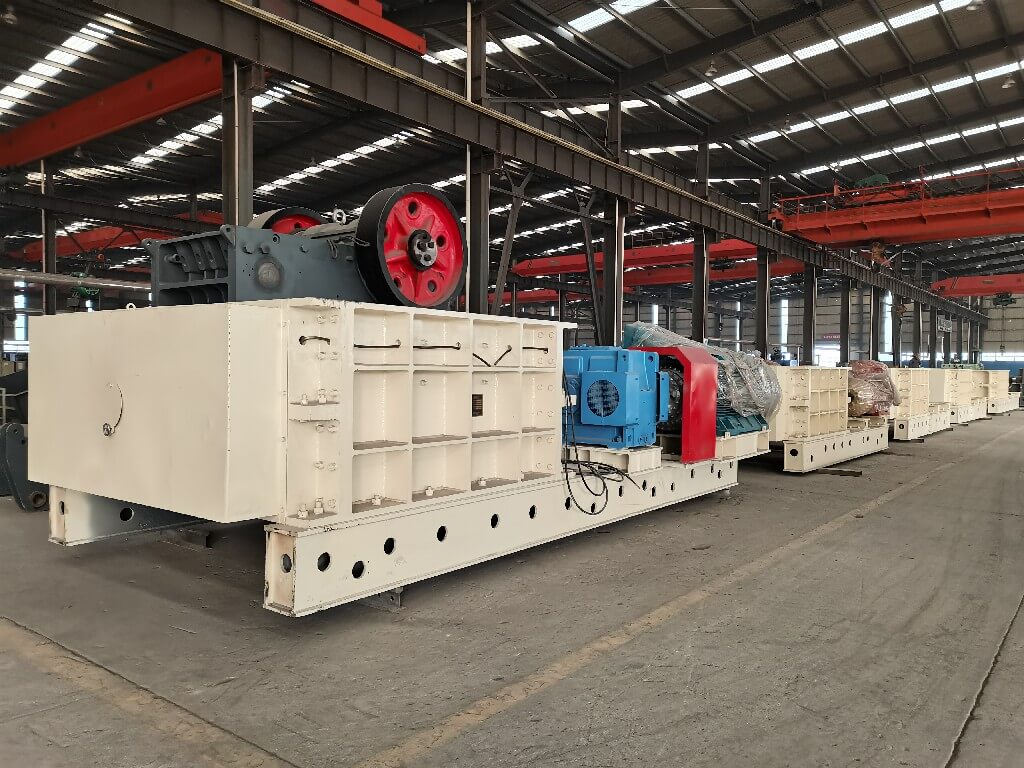
- Crushing Rolls – Apply crushing forces to the incoming material.
- Crushing Teeth – Capture and break large lumps.
- Shafts – Transfer torque to the crushing rolls.
- Gearbox – Provides the required speed and torque transmission.
- Electric Motor – Drives the crushing mechanism.
- Frame – Supports the crushing and drive assemblies.
- Protection System – Helps protect the drive and major components under overload conditions.
Component configuration can vary according to capacity and project requirements.
Applications & Materials
Sizer Crushers are commonly considered for:
- Coal mining and coal handling
- Open-pit mining
- Underground material handling
- Limestone processing
- Mineral processing
- Bulk material preparation
Typical materials include:
- Coal
- Limestone
- Gypsum
- Salt
- Suitable soft to medium-strength minerals
Material suitability depends on hardness, abrasiveness, moisture, stickiness, bulk density and feed lump size. Very hard or highly abrasive materials require specific engineering evaluation before equipment selection.
How to Choose the Right Sizer Crusher?
Selecting the right Sizer Crusher requires more than looking at the required capacity. The maximum feed size, material properties and target product size all affect the equipment configuration.
Start with the required throughput in tonnes per hour and determine the largest feed lump expected in normal operation. The required output size should then be defined so that the crushing gap, roll configuration and tooth design can be selected accordingly.
Material characteristics are also important. Coal, limestone and other minerals can have significantly different hardness, moisture, abrasiveness and clay content. These properties influence crushing performance and wear-part selection.
The Sizer Crusher should also match the upstream and downstream equipment. For example:
Apron Feeder → Sizer Crusher → Vibrating Screen → Belt Conveyor
For an accurate recommendation, provide the material type, required capacity, maximum feed size, target output size, moisture condition and installation requirements.
Advantages & Customization
A properly configured Sizer Crusher can provide stable material reduction, controlled product sizing and continuous operation in suitable mining applications. Its low-speed crushing mechanism is particularly relevant where large lumps need to be reduced without unnecessary size reduction.
For large mining projects, the equipment can be customized according to the process requirements. Possible configuration areas include:
- Crushing capacity
- Feed opening
- Output size
- Roll diameter
- Tooth configuration
- Motor power
- Gearbox arrangement
- Frame dimensions
- Wear protection
- Installation configuration
The final configuration should be based on actual material and process conditions rather than a standard specification alone.
Frequently Asked Questions
A Sizer Crusher is a heavy-duty crushing machine that reduces suitable bulk materials through compression and shearing between rotating crushing elements.
Material enters between rotating crushing rolls, where teeth capture and break the feed. Material reaching the required size then passes through the crushing zone.
Sizer Crushers are commonly used for coal, limestone, gypsum and other suitable minerals. Actual suitability depends on hardness, abrasiveness, moisture and feed characteristics.
Capacity is application dependent. It is determined by material properties, feed size, required product size and equipment configuration.
Output size depends on the crushing gap, roll configuration, tooth design and material properties. The required product size should be specified during equipment selection.
It can be suitable for certain wet-coal applications, but moisture, clay content and stickiness should be evaluated because they can affect material flow and crushing performance.
Consider capacity, maximum feed size, required output size, material hardness, moisture, abrasiveness and installation conditions. Upstream and downstream equipment should also be considered.
Yes. A Sizer Crusher can be configured according to capacity, feed size, output requirement, tooth configuration, drive system, motor power and site conditions.
| Primary Sizer Crusher | ||||
| 150 Series Primary Sizer Crusher | ||||
| Model&Specification | 2PLF-150/250 | 2PLF-150/300 | 2PLF-150/350 | 2PLF-150/400 |
| Roller Diameter(mm) | 1500 | 1500 | 1500 | 1500 |
| Roller Length(mm) | 2500 | 3000 | 3500 | 4000 |
| Input Size(mm) | ≤1500 | ≤1500 | ≤1500 | ≤1500 |
| Output Size(mm) | ≤300 | ≤300 | ≤300 | ≤300 |
| Capacity(t/h) | ≤4500 | ≤5500 | ≤6500 | ≤7500 |
| 140 Series Primary Sizer Crusher | ||||
| Model&Specification | 2PLF-140/200 | 2PLF-140/250 | 2PLF-140/300 | 2PLF-140/350 |
| Roller Diameter(mm) | 1400 | 1400 | 1400 | 1400 |
| Roller Length(mm) | 2000 | 2500 | 3000 | 3500 |
| Input Size(mm) | ≤1400 | ≤1400 | ≤1400 | ≤1400 |
| Output Size(mm) | ≤300 | ≤300 | ≤300 | ≤300 |
| Capacity(t/h) | ≤3000 | ≤4000 | ≤5000 | ≤6000 |
| 120 Series Primary Sizer Crusher | ||||
| Model&Specification | 2PLF-120/150 | 2PLF-120/200 | 2PLF-120/250 | 2PLF-120/300 |
| Roller Diameter(mm) | 1200 | 1200 | 1200 | 1200 |
| Roller Length(mm) | 1500 | 2000 | 2500 | 3000 |
| Input Size(mm) | ≤1200 | ≤1200 | ≤1200 | ≤1200 |
| Output Size(mm) | ≤300 | ≤300 | ≤300 | ≤300 |
| Capacity(t/h) | ≤1500 | ≤2000 | ≤2500 | ≤3000 |
| 100 Series Primary Sizer Crusher | ||||
| Model&Specification | 2PLF-100/120 | 2PLF-100/150 | 2PLF-100/200 | 2PLF-100/250 |
| Roller Diameter(mm) | 1000 | 1000 | 1000 | 1000 |
| Roller Length(mm) | 1200 | 1500 | 2000 | 2500 |
| Input Size(mm) | ≤1000 | ≤1000 | ≤1000 | ≤1000 |
| Output Size(mm) | ≤300 | ≤300 | ≤300 | ≤300 |
| Capacity(t/h) | ≤800 | ≤1200 | ≤1500 | ≤2000 |
| Secondary Sizer Crusher | ||||||||||
| 100 Series Secondary Sizer Crusher | ||||||||||
| Model&Specification | 2PLF-100/150 | 2PLF-100/200 | 2PLF-100/250 | 2PLF-100/300 | 2PLF100/350 | |||||
| Roller Diameter(mm) | 1000 | 1000 | 1000 | 1000 | 1000 | |||||
| Roller Length(mm) | 1500 | 2000 | 2500 | 3000 | 3500 | |||||
| Input Size(mm) | ≤400 | ≤400 | ≤400 | ≤400 | ≤400 | |||||
| Output Size(mm) | 50-150 | 50-150 | 50-150 | 50-150 | 50-150 | |||||
| Capacity(t/h) | 400-800 | 500-1000 | 650-1200 | 800-1500 | 1000-1800 | |||||
| 80 Series Secondary Sizer Crusher | ||||||||||
| Model&Specification | 2PLF-80/150 | 2PLF-80/200 | 2PLF-80/250 | 2PLF-80/300 | ||||||
| Roller Diameter(mm) | 800 | 800 | 800 | 800 | ||||||
| Roller Length(mm) | 1500 | 2000 | 2500 | 3000 | ||||||
| Input Size(mm) | ≤300 | ≤300 | ≤300 | ≤300 | ||||||
| Output Size(mm) | 50-150 | 50-150 | 50-150 | 50-150 | ||||||
| Capacity(t/h) | 300-500 | 400-800 | 500-1200 | 600-1500 | ||||||
| 60 Series Secondary Sizer Crusher | ||||||||||
| Model&Specification | 2PLF-60/120 | 2PLF-60/160 | 2PLF-60/200 | |||||||
| Roller Diameter(mm) | 600 | 600 | 600 | |||||||
| Roller Length(mm) | 1200 | 1600 | 2000 | |||||||
| Input Size(mm) | ≤300 | ≤300 | ≤300 | |||||||
| Output Size(mm) | 50-150 | 50-150 | 50-150 | |||||||
| Capacity(t/h) | 200-400 | 250-600 | 300-800 | |||||||