
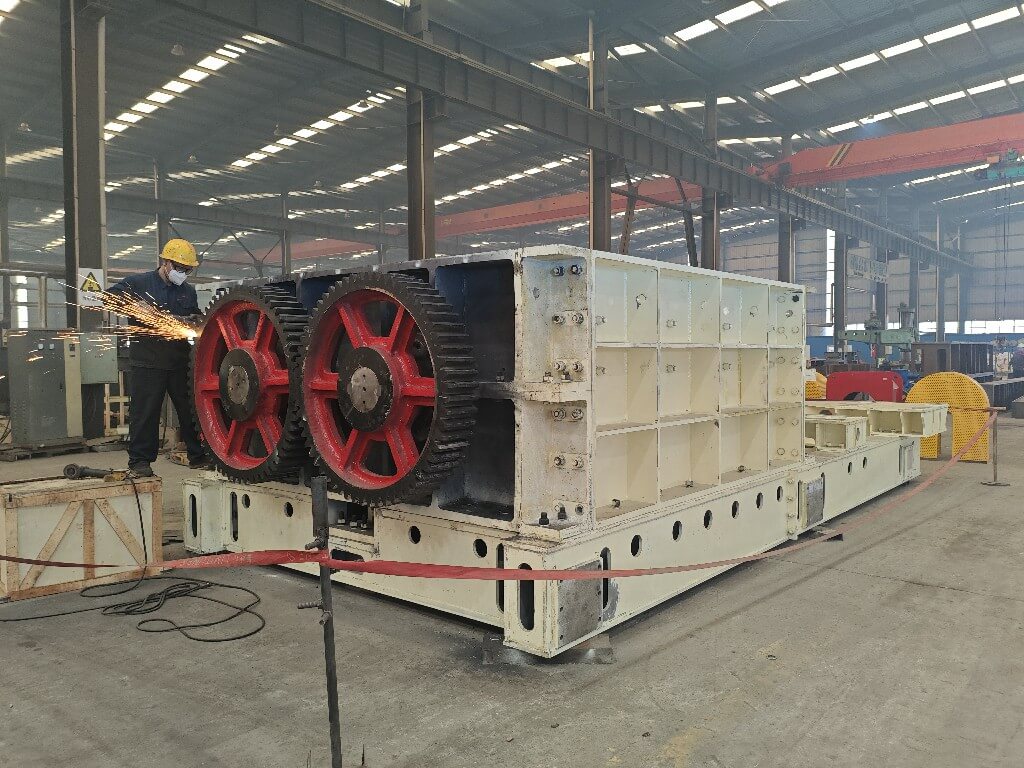
Mineral Sizer Crusher
Categories
Coal Sizer / Mineral SizerCrusher MachineFor products
Documents
Contact Us
Product Overview
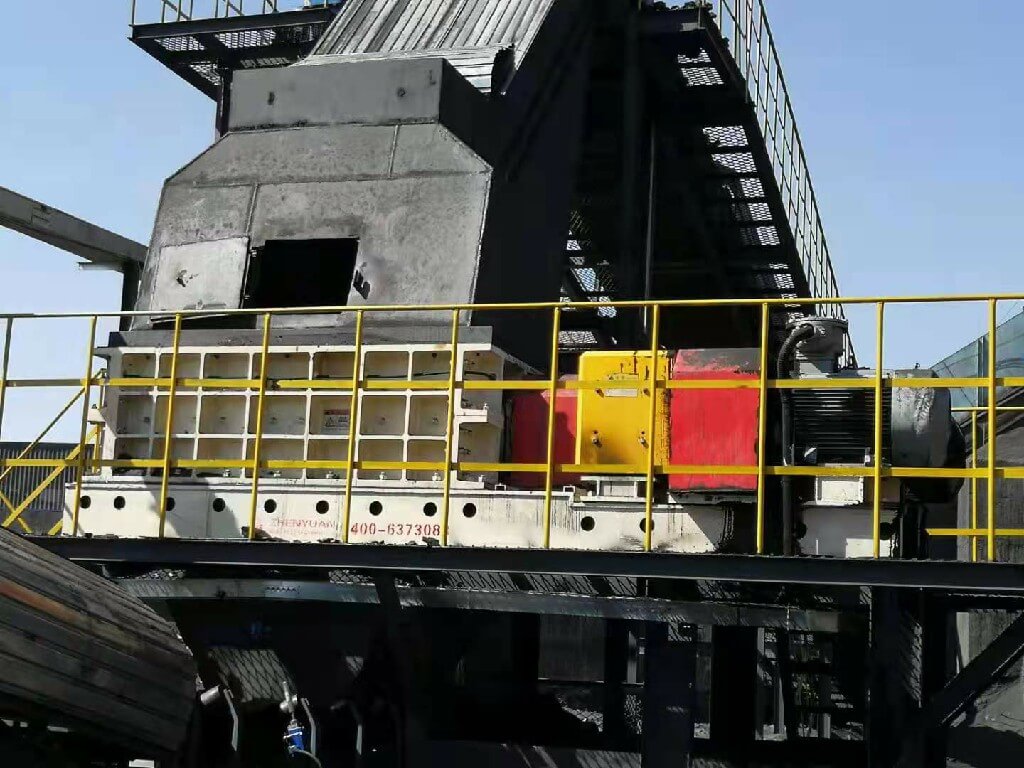
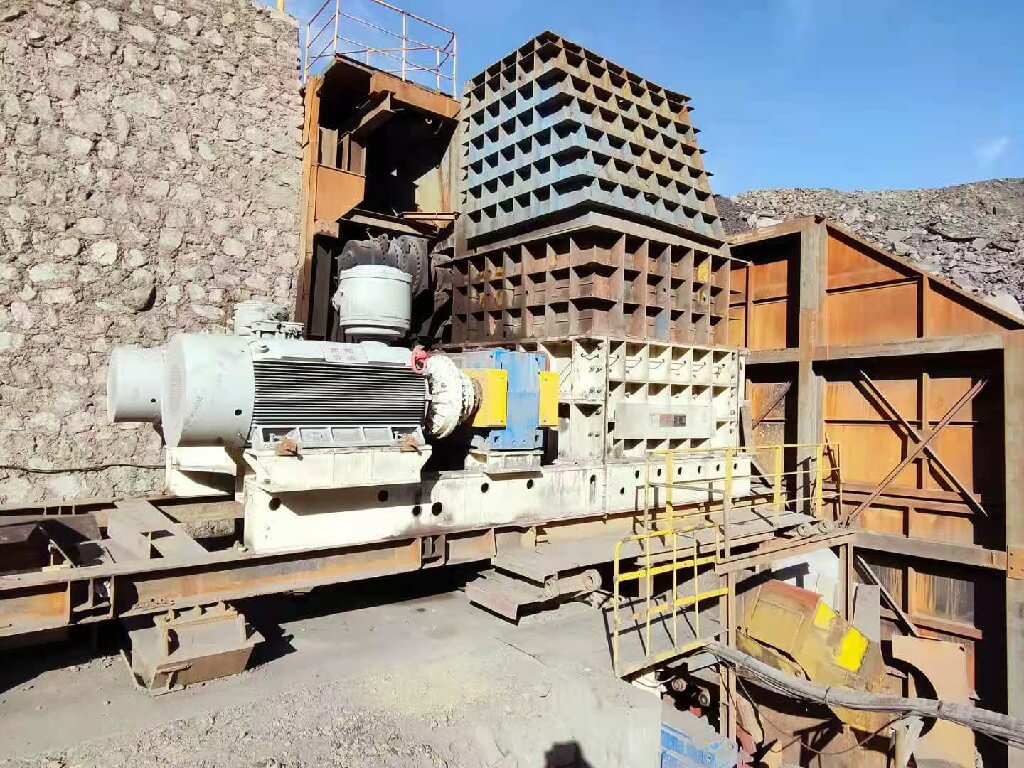
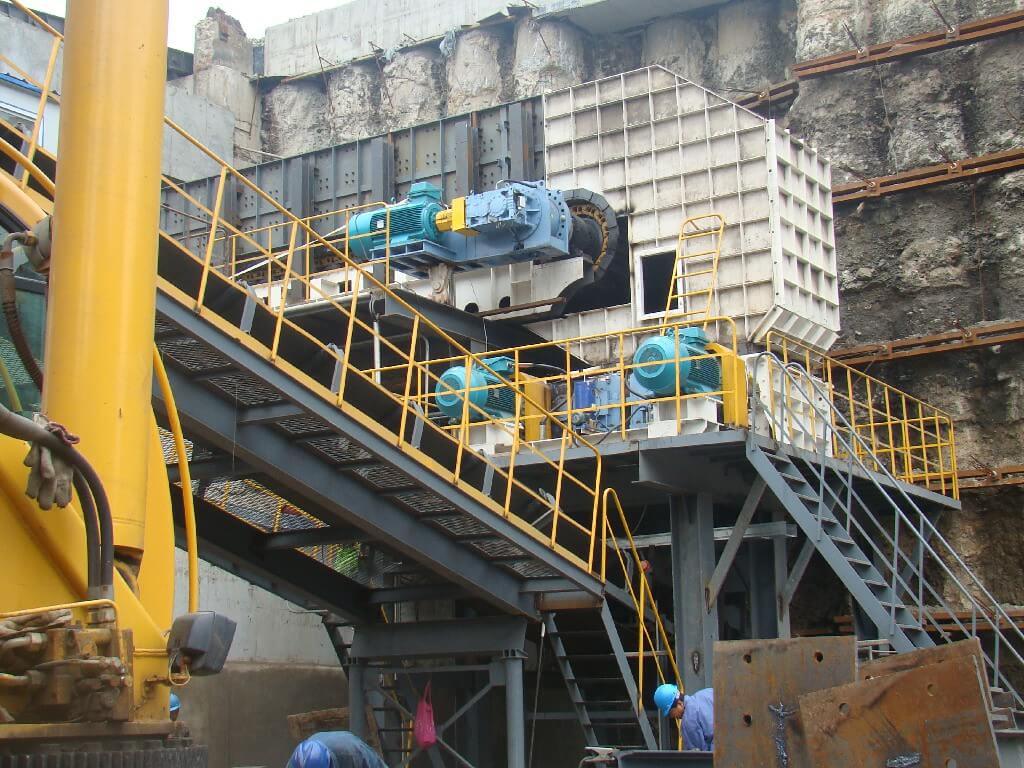
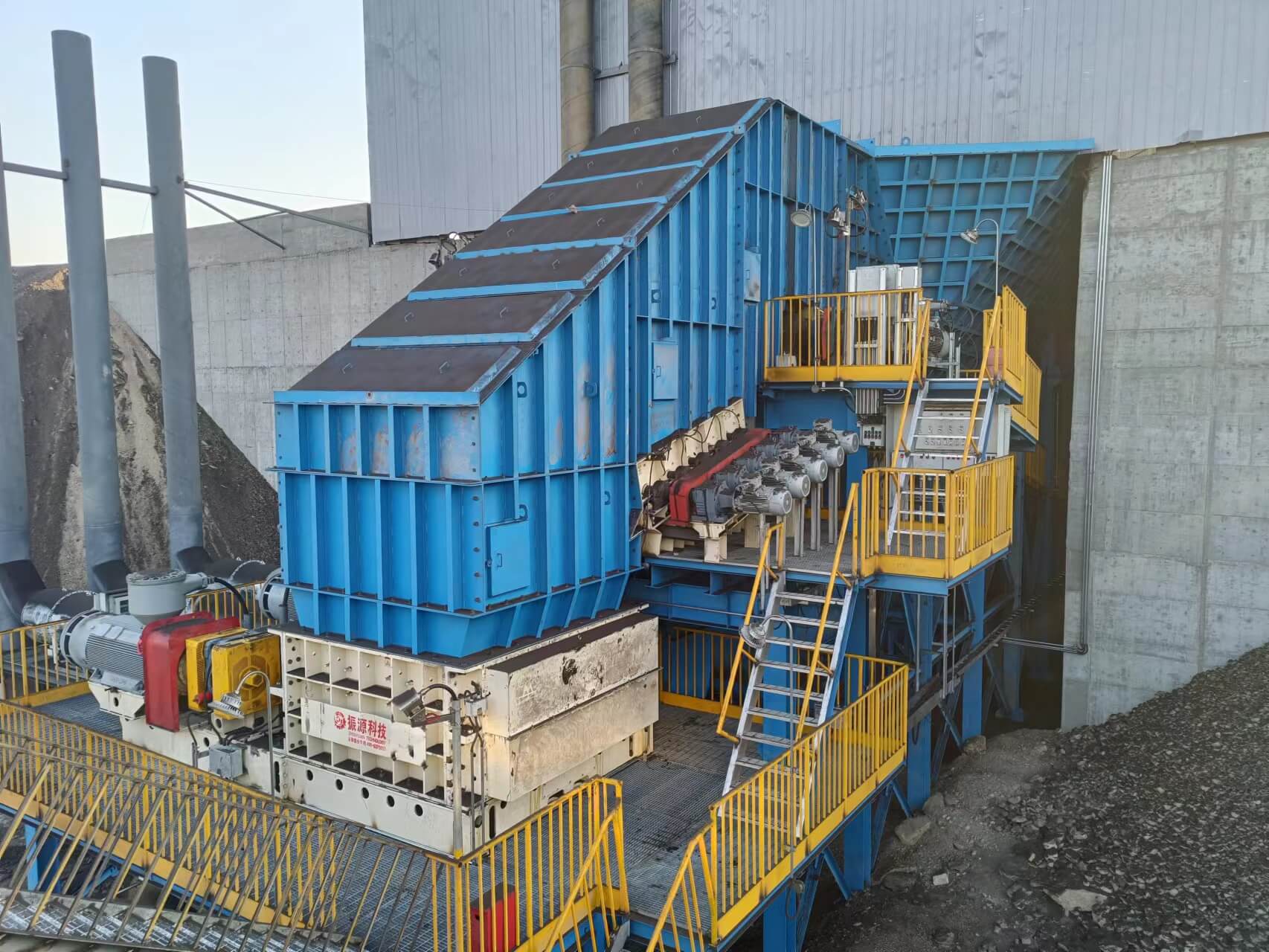
A Mineral Sizer Crusher is a heavy-duty size-reduction machine used to process mineral feed into a more controlled and manageable particle size. It is commonly applied in mineral processing, mining and bulk-material handling circuits where the feed contains large lumps and the downstream process requires consistent material sizing.
Unlike conventional high-speed crushing equipment, a mineral sizer generally uses relatively slow rotating crushing elements with high torque. The interaction between the teeth and incoming material creates a combination of compression and shearing forces. This makes the mineral sizer particularly useful for selected soft to medium-strength ores and minerals where controlled reduction and continuous material flow are important.
How Does a Mineral Sizer Crusher Work?
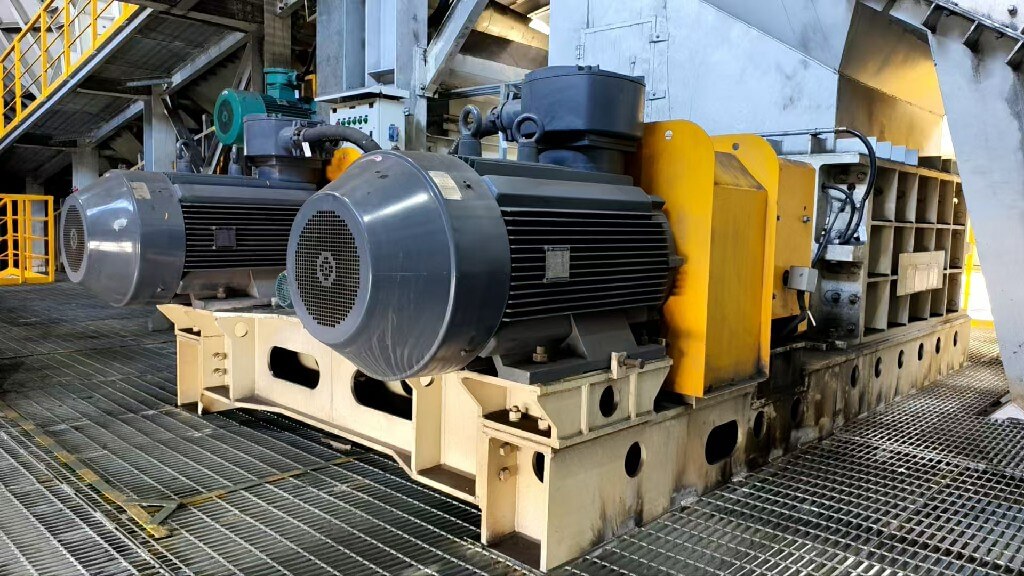
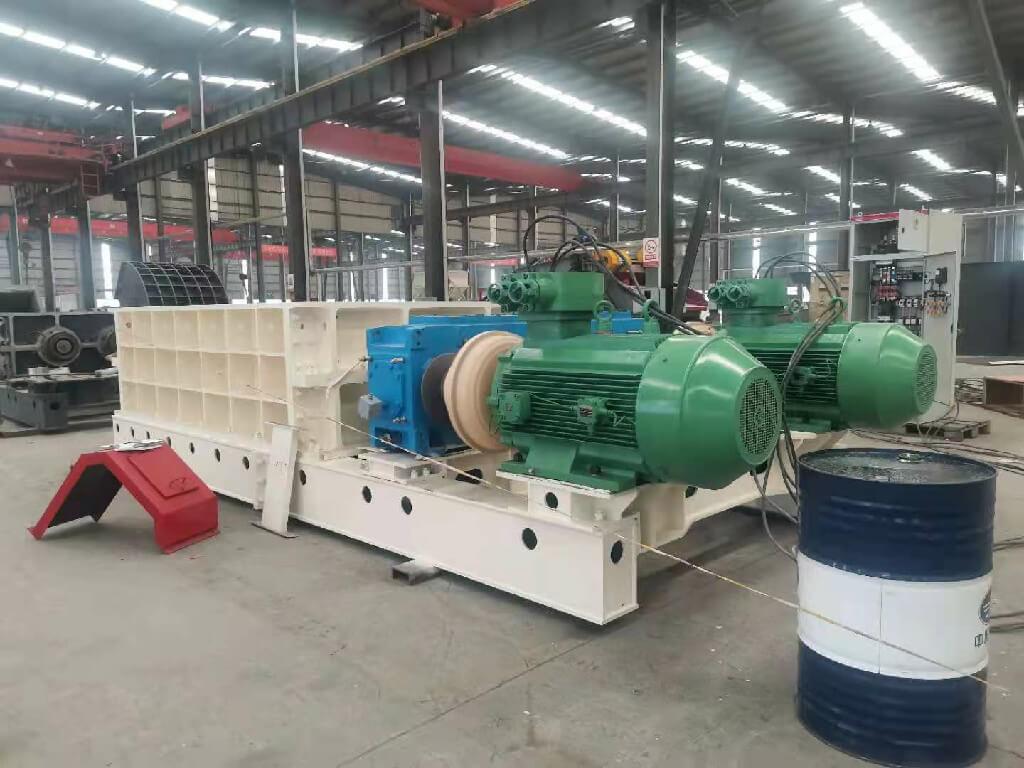
A Mineral Sizer Crusher normally uses two rotating crushing shafts or rolls positioned within a defined crushing zone.
As mineral feed enters the machine, the teeth engage with the larger lumps and draw them between the rotating elements. The material is subjected to compression and shear as the rolls rotate at controlled speed.
The relationship between roll diameter, tooth arrangement, rotational speed and crushing gap determines how the material is reduced. Oversized lumps are broken into smaller pieces, while material that reaches the required size moves through the crushing zone and exits the machine.
This controlled crushing action makes a Mineral Sizer Crusher suitable for continuous mineral-processing circuits where predictable size reduction is required.
Key Features
High-Torque Size Reduction
The drive system delivers substantial torque at controlled rotational speed, allowing the machine to handle large mineral lumps under demanding operating conditions.
Controlled Crushing Action
The crushing mechanism combines tooth engagement, compression and shearing instead of relying primarily on high-speed impact.
Configurable Crushing Geometry
Roll arrangement, tooth profile and crushing gap can be selected according to feed characteristics and the required product size.
Continuous Mineral Processing
The machine can operate as part of a continuous material flow system rather than as an isolated crushing unit.
Replaceable Wear Components
Crushing teeth and other wear components can be configured for the characteristics of the processed mineral.
Integration With Screening Systems
A Mineral Sizer Crusher can work together with screens and conveyors to control material flow and final particle size.
Technical Specifications
| Parameter | Specification |
|---|---|
| Equipment Type | Mineral Sizer Crusher |
| Application | Mineral Processing & Mining |
| Crushing Principle | Compression & Shearing |
| Crushing Mechanism | Twin Rolls / Shafts |
| Drive System | Electric |
| Capacity | Project Dependent |
| Maximum Feed Size | Application Dependent |
| Product Size | Application Dependent |
| Tooth Configuration | Customized |
| Motor Power | Application Dependent |
| Installation | Stationary / Customized |
Final specifications should be determined from the ore characteristics, feed conditions, required throughput and product-size requirements.
Main Components & Design
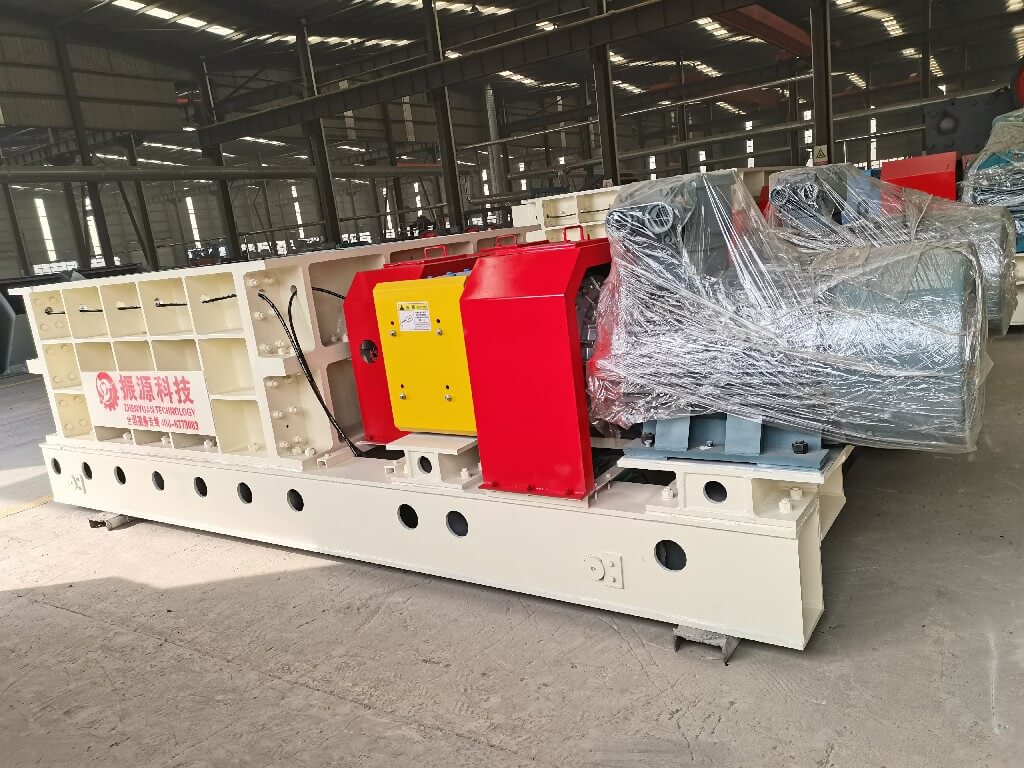
The main assemblies of a Mineral Sizer Crusher typically include:
Crushing Shafts
Transfer torque to the rotating crushing elements and withstand the mechanical loads generated during operation.
Crushing Rolls
Provide the working surface that engages with the mineral feed.
Sizer Teeth
Capture larger particles and initiate the crushing and shearing process. Tooth design can be adapted to different material conditions.
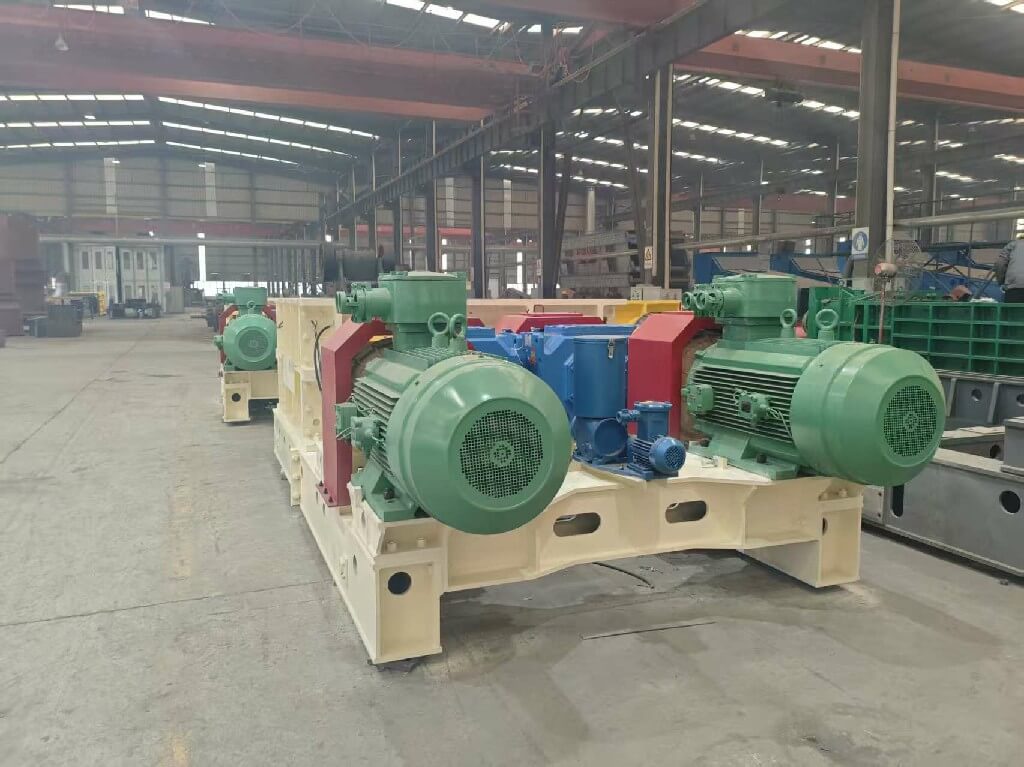
Drive Unit
The motor and gearbox combination supplies the controlled rotational speed and torque required for crushing.
Main Frame
Supports the crushing mechanism and drive assembly while maintaining the required structural rigidity.
Wear Protection
Wear-resistant components can be incorporated in areas exposed to continuous mineral contact.
Applications & Materials
A Mineral Sizer Crusher can be considered for a variety of mineral-processing applications, including:
- Run-of-mine mineral reduction
- Ore preparation
- Primary mineral size reduction
- Secondary crushing
- Mineral handling systems
- Pre-screening and screening circuits
Depending on the equipment configuration, suitable feed materials may include:
- Limestone
- Coal
- Gypsum
- Salt
- Selected soft and medium-strength ores
- Other compatible bulk minerals
Material selection should consider hardness, abrasiveness, moisture, clay content, lump size and bulk density. Highly hard or abrasive ores may require a different crushing technology or specialized wear configuration.
How to Choose the Right Mineral Sizer Crusher?
The correct Mineral Sizer Crusher should be selected according to the complete operating profile of the mineral-processing circuit.
First, determine the required capacity and maximum feed lump size. These two parameters establish the basic size and configuration of the crushing equipment. The desired product size is equally important because it affects the crushing geometry and tooth arrangement.
The mineral’s physical properties should then be evaluated. Hardness and abrasiveness influence the required crushing force and wear protection, while moisture and clay content can affect material flow through the crushing chamber.
The location of the sizer within the process also matters. A machine used for primary size reduction may require a different configuration from one installed after a screening stage.
For an accurate recommendation, provide:
Material + Capacity + Maximum Feed Size + Required Product Size + Moisture + Abrasiveness + Application
This information allows the crushing configuration to be matched to the actual process rather than selected only by nominal capacity.
Advantages & Customization
A properly configured Mineral Sizer Crusher can provide controlled mineral reduction while maintaining a steady material flow through the processing circuit. Its low-speed, high-torque operating principle is useful for applications where large feed lumps need to be reduced without relying mainly on high-speed impact.
For different mineral-processing conditions, customization may include:
- Crushing capacity
- Roll dimensions
- Tooth profile
- Tooth spacing
- Crushing gap
- Motor power
- Gearbox configuration
- Wear protection
- Frame dimensions
- Feed and discharge arrangement
The final design should be based on actual material testing and process requirements when the application involves unusual or demanding ore characteristics.
Frequently Asked Questions
A Mineral Sizer Crusher is a heavy-duty machine that reduces suitable mineral feed using rotating crushing elements and a combination of compression and shearing forces.
It is used for controlled size reduction of suitable ores and bulk minerals before screening, conveying or subsequent processing stages.
A mineral sizer normally uses low-speed, high-torque rotating crushing elements and focuses on controlled sizing through compression and shearing. Conventional crushers may use different mechanisms, such as compression, impact or high-speed rotation.
Depending on its configuration, it can process materials such as limestone, coal, gypsum, salt and selected soft to medium-strength minerals.
Yes, a suitably configured mineral sizer can be designed for large feed lumps. The required feed opening and crushing arrangement depend on the maximum lump size.
Capacity depends on factors including material bulk density, feed size, moisture, roll configuration, rotational speed, product size and operating conditions.
Product size is influenced by crushing gap, tooth configuration, roll geometry, rotational speed and the physical characteristics of the feed material.
Yes. The crushing rolls, teeth, drive system, capacity, dimensions, wear protection and feed/discharge arrangements can be configured according to project requirements.
| Primary Mineral Sizer Crusher | ||||
| 150 Series Primary Mineral Sizer Crusher | ||||
| Model&Specification | 2PLF-150/250 | 2PLF-150/300 | 2PLF-150/350 | 2PLF-150/400 |
| Roller Diameter(mm) | 1500 | 1500 | 1500 | 1500 |
| Roller Length(mm) | 2500 | 3000 | 3500 | 4000 |
| Input Size(mm) | ≤1500 | ≤1500 | ≤1500 | ≤1500 |
| Output Size(mm) | ≤300 | ≤300 | ≤300 | ≤300 |
| Capacity(t/h) | ≤4500 | ≤5500 | ≤6500 | ≤7500 |
| 140 Series Primary Mineral Sizer Crusher | ||||
| Model&Specification | 2PLF-140/200 | 2PLF-140/250 | 2PLF-140/300 | 2PLF-140/350 |
| Roller Diameter(mm) | 1400 | 1400 | 1400 | 1400 |
| Roller Length(mm) | 2000 | 2500 | 3000 | 3500 |
| Input Size(mm) | ≤1400 | ≤1400 | ≤1400 | ≤1400 |
| Output Size(mm) | ≤300 | ≤300 | ≤300 | ≤300 |
| Capacity(t/h) | ≤3000 | ≤4000 | ≤5000 | ≤6000 |
| 120 Series Primary Mineral Sizer Crusher | ||||
| Model&Specification | 2PLF-120/150 | 2PLF-120/200 | 2PLF-120/250 | 2PLF-120/300 |
| Roller Diameter(mm) | 1200 | 1200 | 1200 | 1200 |
| Roller Length(mm) | 1500 | 2000 | 2500 | 3000 |
| Input Size(mm) | ≤1200 | ≤1200 | ≤1200 | ≤1200 |
| Output Size(mm) | ≤300 | ≤300 | ≤300 | ≤300 |
| Capacity(t/h) | ≤1500 | ≤2000 | ≤2500 | ≤3000 |
| 100 Series Primary Mineral Sizer Crusher | ||||
| Model&Specification | 2PLF-100/120 | 2PLF-100/150 | 2PLF-100/200 | 2PLF-100/250 |
| Roller Diameter(mm) | 1000 | 1000 | 1000 | 1000 |
| Roller Length(mm) | 1200 | 1500 | 2000 | 2500 |
| Input Size(mm) | ≤1000 | ≤1000 | ≤1000 | ≤1000 |
| Output Size(mm) | ≤300 | ≤300 | ≤300 | ≤300 |
| Capacity(t/h) | ≤800 | ≤1200 | ≤1500 | ≤2000 |
| Secondary Mineral Sizer Crusher | ||||||||||
| 100 Series Secondary Mineral Sizer Crusher | ||||||||||
| Model&Specification | 2PLF-100/150 | 2PLF-100/200 | 2PLF-100/250 | 2PLF-100/300 | 2PLF100/350 | |||||
| Roller Diameter(mm) | 1000 | 1000 | 1000 | 1000 | 1000 | |||||
| Roller Length(mm) | 1500 | 2000 | 2500 | 3000 | 3500 | |||||
| Input Size(mm) | ≤400 | ≤400 | ≤400 | ≤400 | ≤400 | |||||
| Output Size(mm) | 50-150 | 50-150 | 50-150 | 50-150 | 50-150 | |||||
| Capacity(t/h) | 400-800 | 500-1000 | 650-1200 | 800-1500 | 1000-1800 | |||||
| 80 Series Secondary Mineral Sizer Crusher | ||||||||||
| Model&Specification | 2PLF-80/150 | 2PLF-80/200 | 2PLF-80/250 | 2PLF-80/300 | ||||||
| Roller Diameter(mm) | 800 | 800 | 800 | 800 | ||||||
| Roller Length(mm) | 1500 | 2000 | 2500 | 3000 | ||||||
| Input Size(mm) | ≤300 | ≤300 | ≤300 | ≤300 | ||||||
| Output Size(mm) | 50-150 | 50-150 | 50-150 | 50-150 | ||||||
| Capacity(t/h) | 300-500 | 400-800 | 500-1200 | 600-1500 | ||||||
| 60 Series Secondary Mineral Sizer Crusher | ||||||||||
| Model&Specification | 2PLF-60/120 | 2PLF-60/160 | 2PLF-60/200 | |||||||
| Roller Diameter(mm) | 600 | 600 | 600 | |||||||
| Roller Length(mm) | 1200 | 1600 | 2000 | |||||||
| Input Size(mm) | ≤300 | ≤300 | ≤300 | |||||||
| Output Size(mm) | 50-150 | 50-150 | 50-150 | |||||||
| Capacity(t/h) | 200-400 | 250-600 | 300-800 | |||||||