Product Overview
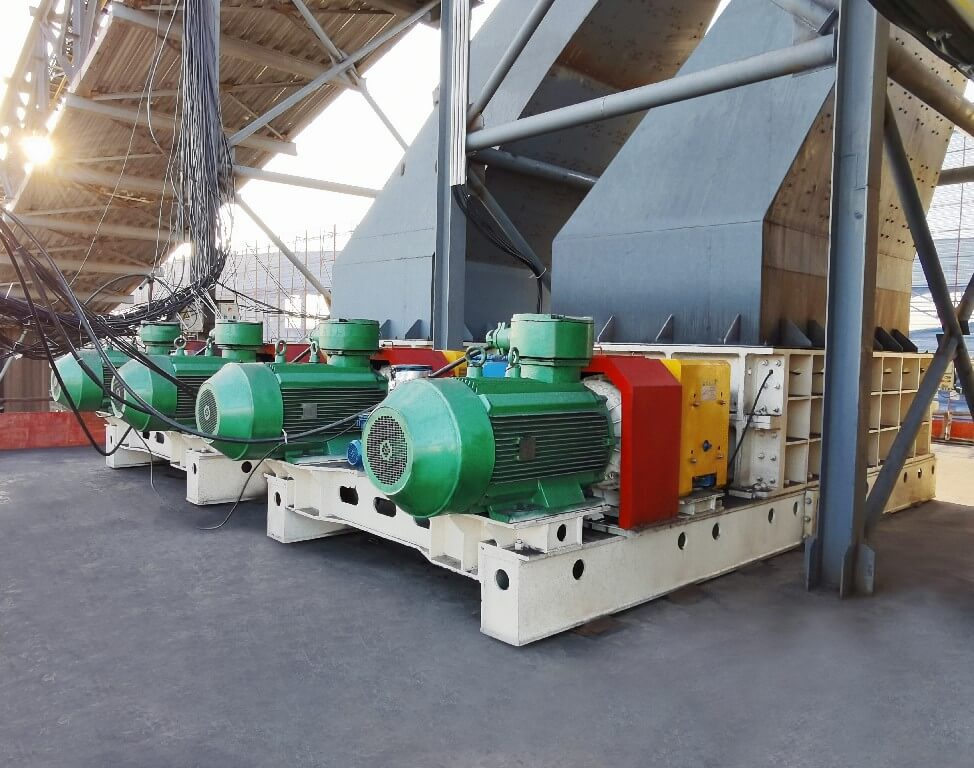
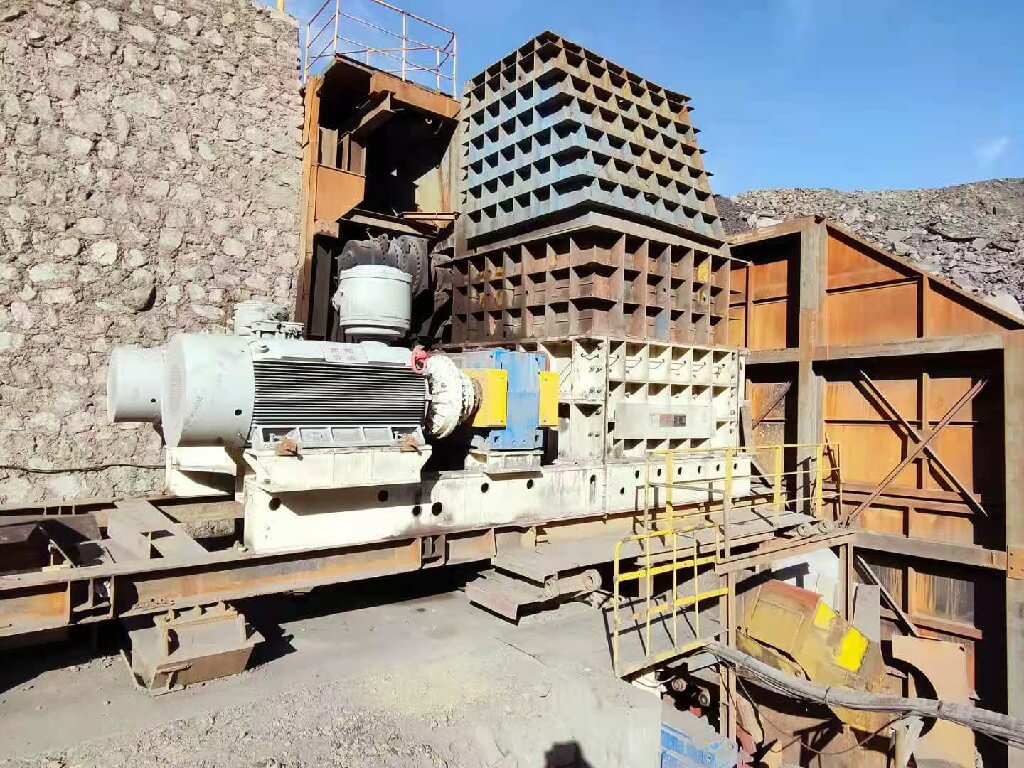
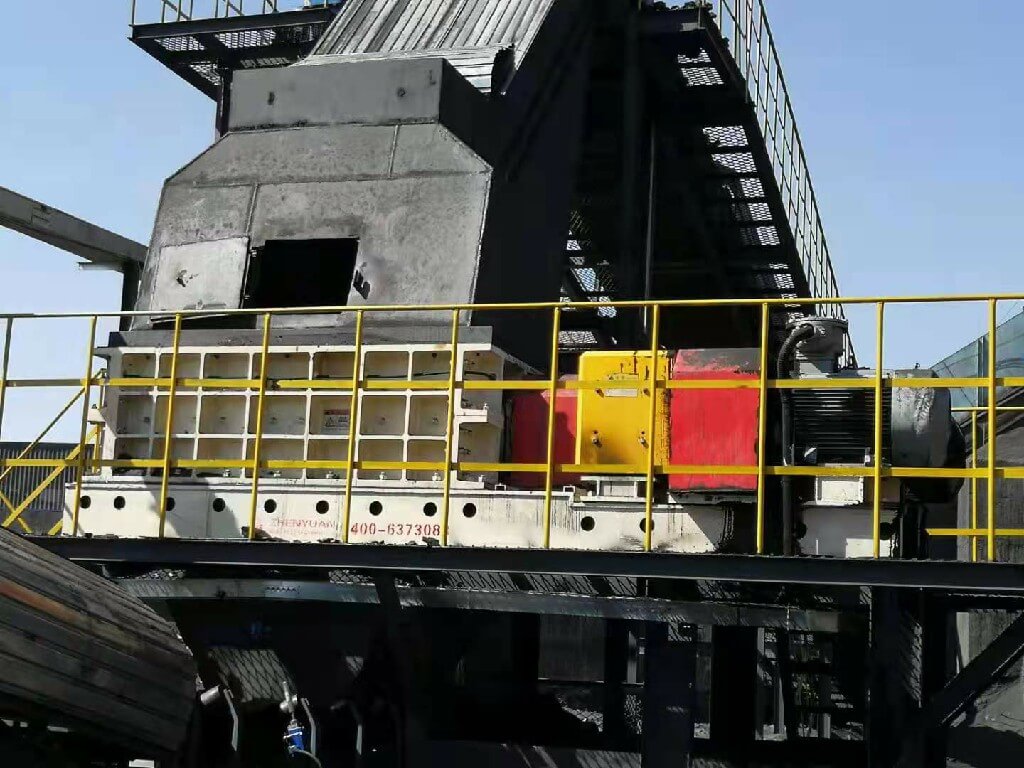
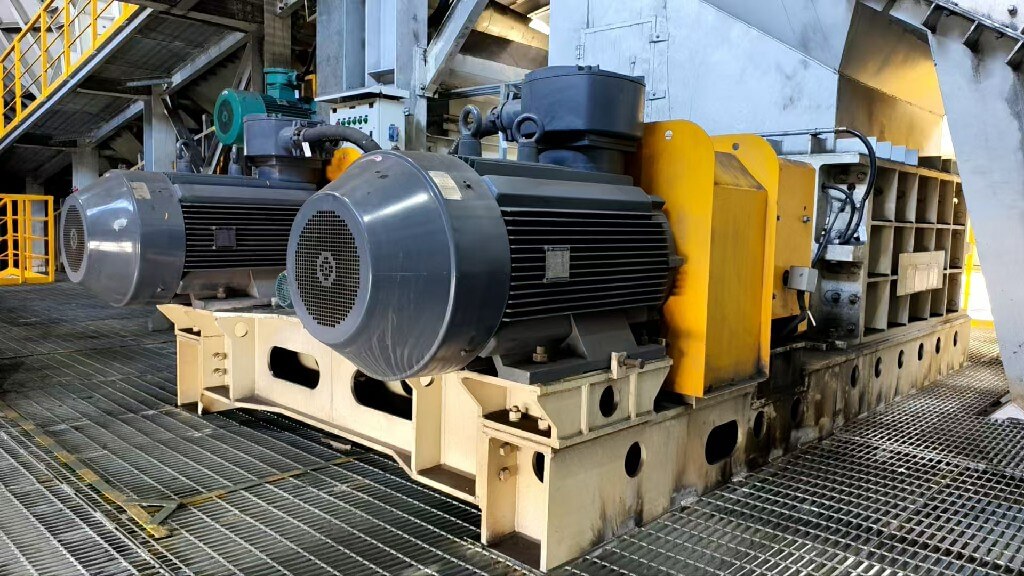
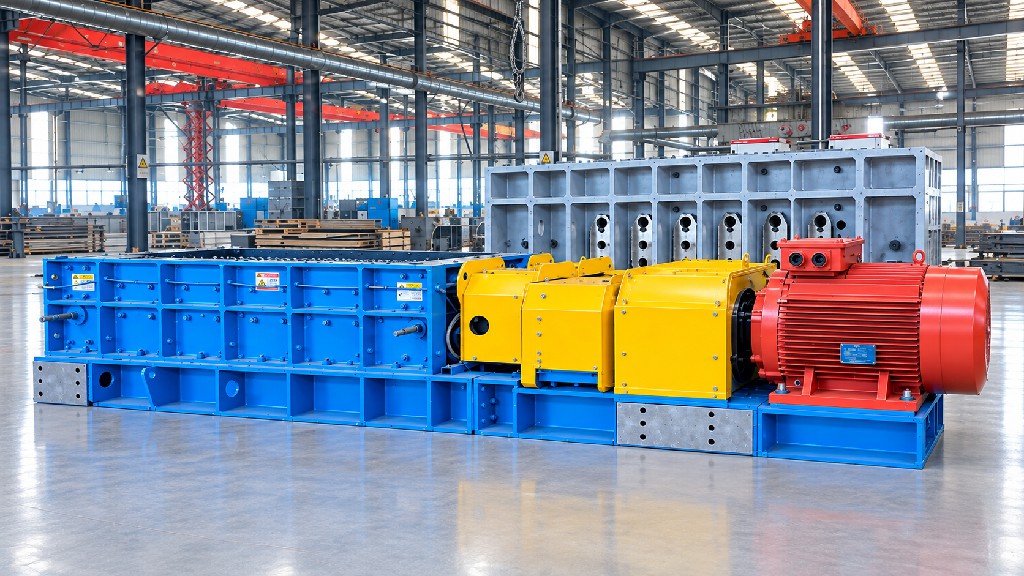
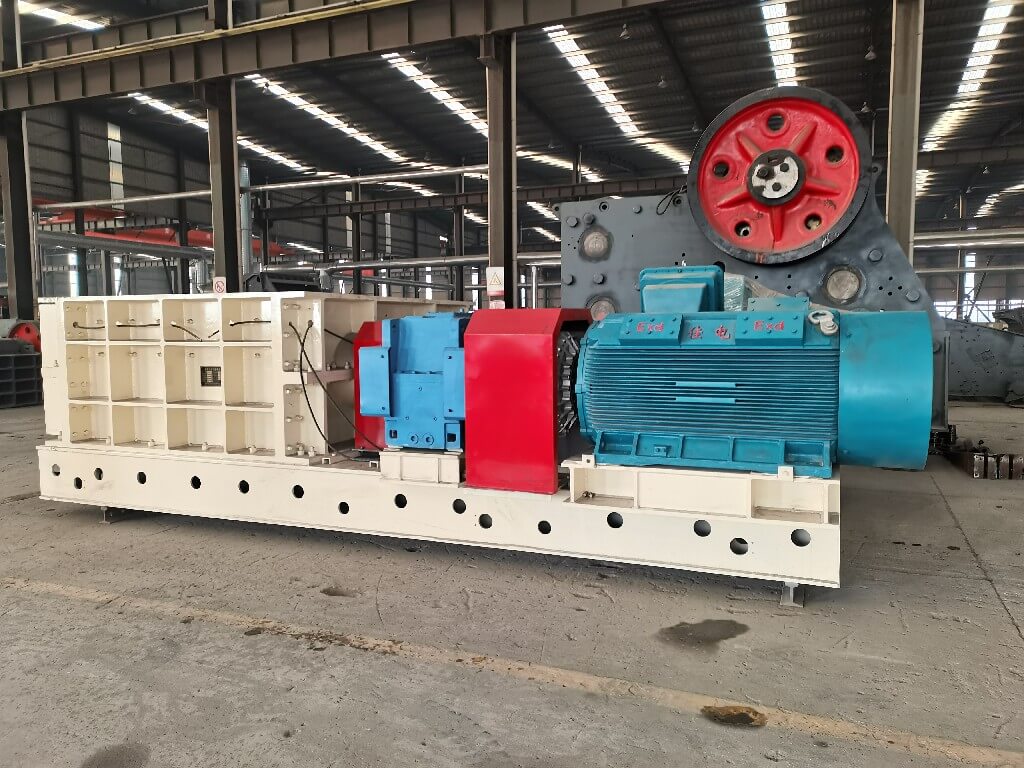
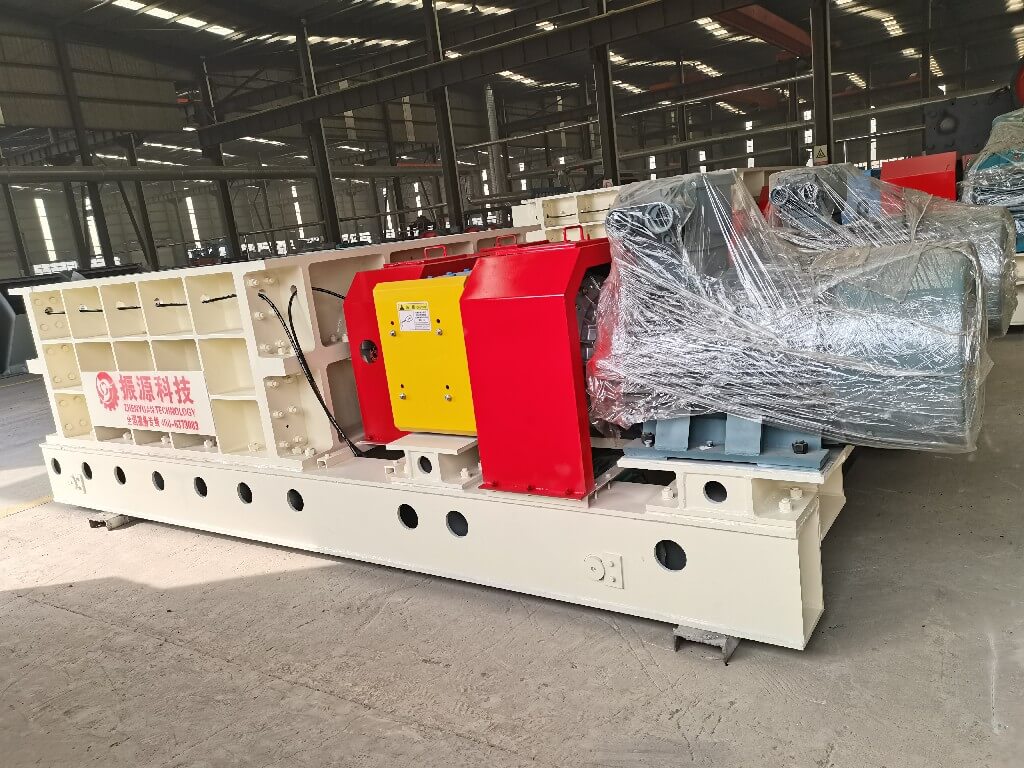
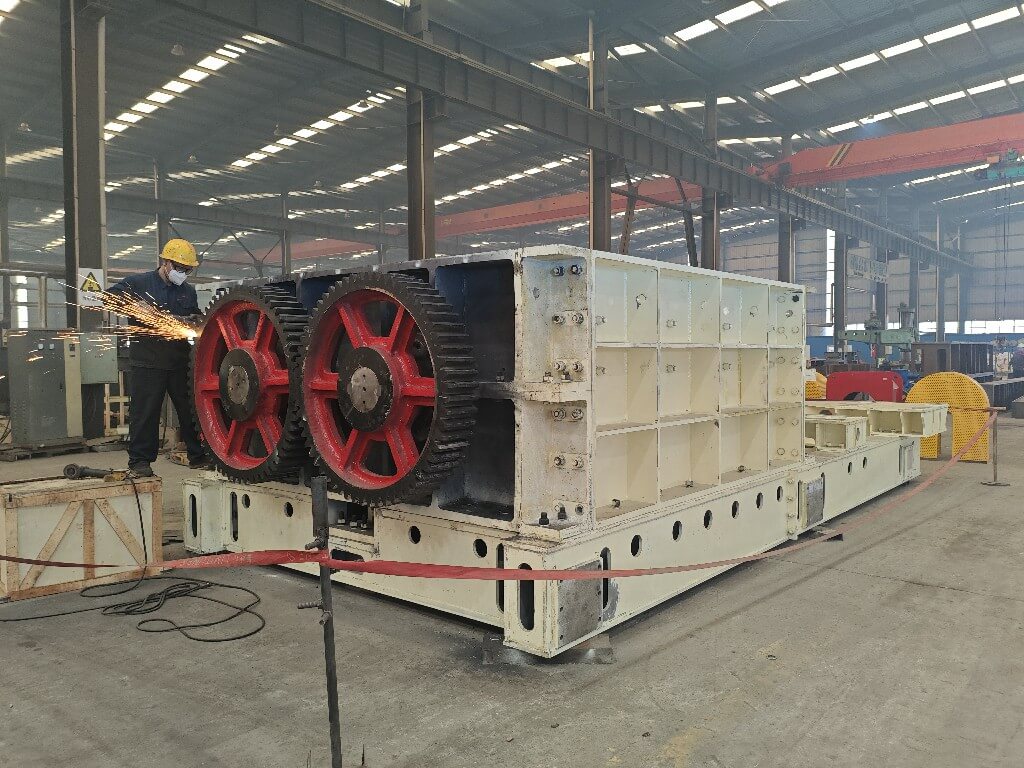
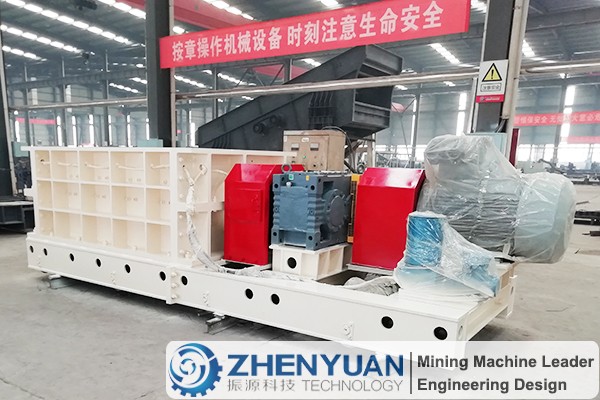
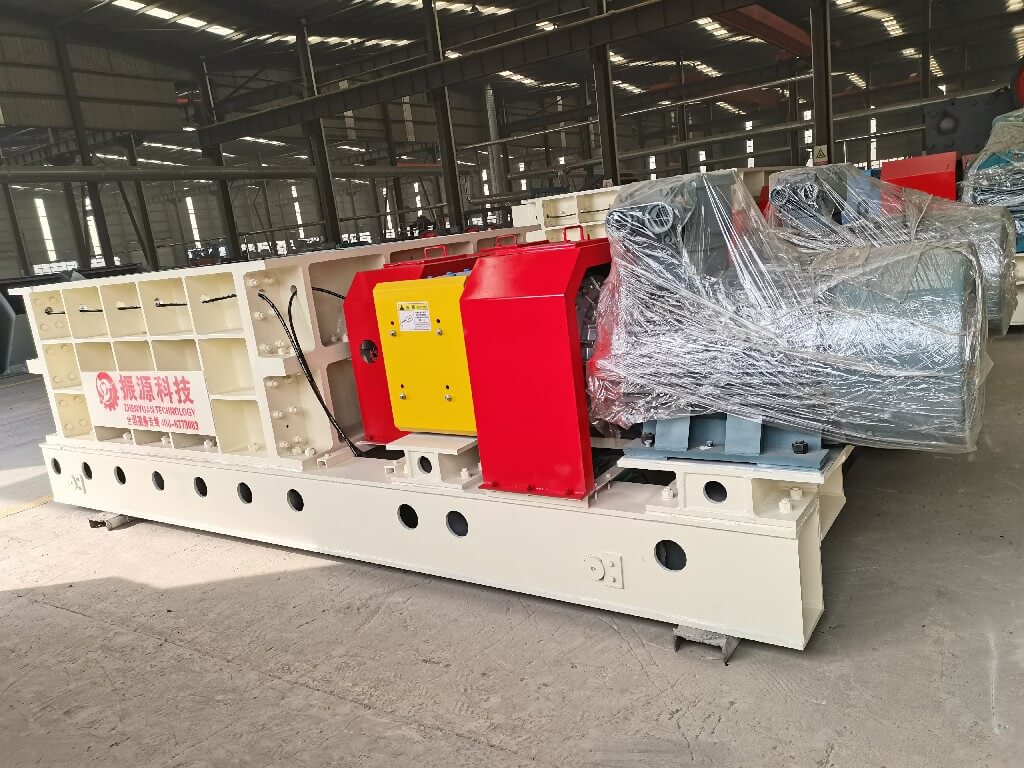
A Coal Mineral Sizer is a heavy-duty crushing machine developed for controlled size reduction of coal and other suitable coal-bearing materials. It is commonly used in coal mines, coal preparation plants and material-handling systems where large ROM coal must be reduced to a suitable size for screening, conveying, washing or further processing.
The machine uses rotating crushing elements to engage and break incoming coal lumps. Its crushing action focuses on controlled size reduction rather than producing excessive fines. Depending on the feed characteristics and required product specification, a Coal Mineral Sizer can be configured for different coal sizes, capacities and process positions.
How Does a Coal Mineral Sizer Work?
Coal enters the crushing chamber from the feed hopper or upstream feeder. Rotating crushing elements engage the larger coal lumps and create localized compressive and shearing forces.
As the coal moves through the crushing zone, the larger pieces are fractured into smaller particles. The geometry of the crushing elements and the working gap influence the resulting product size.
The crushed coal then exits from the bottom of the machine and moves to the next process stage, typically screening, conveying or coal preparation.
A typical process is:
ROM Coal → Feeder → Coal Mineral Sizer → Screen → Conveyor
This arrangement allows the crusher to become part of a continuous coal-handling circuit.
Key Features
Designed Around Coal Characteristics
Coal varies significantly in hardness, moisture, ash content and lump size. The crushing configuration can therefore be selected according to the characteristics of the feed coal.
Controlled Size Reduction
The crushing mechanism focuses on reducing oversized coal to the required range while limiting unnecessary size reduction where the application allows.
Large Lump Handling
A suitable configuration can accommodate large ROM coal lumps entering from mining or bulk coal-handling operations.
Adjustable Crushing Configuration
Roll geometry, crushing elements and working clearance can be selected according to the required product size and coal characteristics.
Continuous Material Flow
The machine can operate within a continuous coal-handling system together with feeders, screens and conveyors.
Heavy-Duty Coal Processing
The structure and drive system can be engineered for demanding operating conditions encountered in coal mining and preparation facilities.
Technical Specifications
| Parameter | Specification |
|---|---|
| Equipment Type | Coal Mineral Sizer |
| Application | Coal Crushing & Handling |
| Crushing Principle | Compression & Shearing |
| Crushing Mechanism | Rotating Crushing Elements |
| Capacity | Application Dependent |
| Maximum Feed Size | Project Dependent |
| Product Size | Project Dependent |
| Motor Power | Application Dependent |
| Drive System | Electric |
| Installation | Stationary / Customized |
Final specifications depend on coal properties, throughput, feed lump size, required product size and plant layout.
Main Components & Coal-Focused Design
Crushing Elements
The working elements directly engage with the coal and generate the forces required for size reduction. Their configuration can be selected according to feed characteristics and desired product size.
Shafts and Drive Assembly
The shafts transmit torque to the crushing mechanism. The motor and transmission system are selected according to the required crushing duty.
Crushing Chamber
The chamber provides the working space where coal lumps are captured and reduced. Its dimensions are related to feed size and equipment capacity.
Wear Components
Coal may contain abrasive mineral matter, rock or other impurities. Wear components should therefore be selected according to the actual feed composition.
Structural Frame
The frame supports the crushing assembly and drive components and must withstand continuous mechanical loading.
Applications & Coal Types
A Coal Mineral Sizer can be used in several stages of coal processing and handling:
- ROM coal crushing
- Coal mine surface handling
- Underground coal handling
- Coal preparation plants
- Coal screening circuits
- Feed preparation before coal washing
It can be considered for different coal types, including:
- Bituminous coal
- Sub-bituminous coal
- Lignite
- Thermal coal
- Coking coal
- Coal containing moderate amounts of rock or mineral matter
Actual suitability depends on the coal’s hardness, moisture, ash content, clay content, abrasiveness and maximum lump size.
How to Choose the Right Coal Mineral Sizer?
The most important selection point is the relationship between coal feed conditions and the required product specification.
Start by defining the maximum ROM coal lump size and required throughput. These determine the basic crushing capacity and feed arrangement.
Next, identify the required product size. Coal preparation plants may require a particular size range before screening, washing or further handling. The crushing configuration should therefore be selected around the downstream process rather than capacity alone.
Coal moisture is another important factor. Wet or clay-rich coal may behave differently from dry feed and can affect material flow through the crusher.
The amount of rock and mineral matter should also be considered. Although coal itself may be relatively easy to break, associated mineral matter can increase wear on crushing components.
For equipment selection, provide:
Coal Type + Capacity + Maximum Lump Size + Required Product Size + Moisture + Ash/Mineral Content + Application
Advantages & Customization
A properly selected Coal Mineral Sizer can help establish a consistent feed size for downstream coal-processing equipment. Controlled size reduction can also help avoid unnecessary generation of fines when the crushing configuration and feed conditions are suitable.
For different coal projects, customization may include:
- Crushing capacity
- Feed opening
- Product size
- Crushing-element configuration
- Tooth or profile design
- Motor power
- Drive arrangement
- Wear protection
- Machine dimensions
- Feed and discharge arrangement
The equipment can also be configured around the available hopper, feeder, screen and conveyor arrangement.
Frequently Asked Questions
A Coal Mineral Sizer is a heavy-duty crushing machine used to reduce large coal lumps to a controlled size for coal handling, screening or preparation.
It is commonly used for ROM coal reduction, coal mine handling systems, coal preparation plants and feed preparation before screening or washing.
Yes, a suitably configured machine can process large ROM coal lumps. Maximum feed size must be considered when selecting the crushing configuration.
Its controlled crushing action can help limit unnecessary size reduction for suitable coal applications. Actual fines generation depends on coal properties, feed size, crushing configuration and operating conditions.
Capacity depends on coal density, feed lump size, moisture, required product size, crushing configuration and operating conditions.
Yes. Capacity, feed opening, crushing elements, product size, drive system, wear protection and overall dimensions can be configured according to the coal-processing application.
| Primary Coal Mineral Sizer | ||||
| 150 Series Primary Coal Mineral Sizer | ||||
| Model&Specification | 2PLF-150/250 | 2PLF-150/300 | 2PLF-150/350 | 2PLF-150/400 |
| Roller Diameter(mm) | 1500 | 1500 | 1500 | 1500 |
| Roller Length(mm) | 2500 | 3000 | 3500 | 4000 |
| Input Size(mm) | ≤1500 | ≤1500 | ≤1500 | ≤1500 |
| Output Size(mm) | ≤300 | ≤300 | ≤300 | ≤300 |
| Capacity(t/h) | ≤4500 | ≤5500 | ≤6500 | ≤7500 |
| 140 Series Primary Coal Mineral Sizer | ||||
| Model&Specification | 2PLF-140/200 | 2PLF-140/250 | 2PLF-140/300 | 2PLF-140/350 |
| Roller Diameter(mm) | 1400 | 1400 | 1400 | 1400 |
| Roller Length(mm) | 2000 | 2500 | 3000 | 3500 |
| Input Size(mm) | ≤1400 | ≤1400 | ≤1400 | ≤1400 |
| Output Size(mm) | ≤300 | ≤300 | ≤300 | ≤300 |
| Capacity(t/h) | ≤3000 | ≤4000 | ≤5000 | ≤6000 |
| 120 Series Primary Coal Mineral Sizer | ||||
| Model&Specification | 2PLF-120/150 | 2PLF-120/200 | 2PLF-120/250 | 2PLF-120/300 |
| Roller Diameter(mm) | 1200 | 1200 | 1200 | 1200 |
| Roller Length(mm) | 1500 | 2000 | 2500 | 3000 |
| Input Size(mm) | ≤1200 | ≤1200 | ≤1200 | ≤1200 |
| Output Size(mm) | ≤300 | ≤300 | ≤300 | ≤300 |
| Capacity(t/h) | ≤1500 | ≤2000 | ≤2500 | ≤3000 |
| 100 Series Primary Coal Mineral Sizer | ||||
| Model&Specification | 2PLF-100/120 | 2PLF-100/150 | 2PLF-100/200 | 2PLF-100/250 |
| Roller Diameter(mm) | 1000 | 1000 | 1000 | 1000 |
| Roller Length(mm) | 1200 | 1500 | 2000 | 2500 |
| Input Size(mm) | ≤1000 | ≤1000 | ≤1000 | ≤1000 |
| Output Size(mm) | ≤300 | ≤300 | ≤300 | ≤300 |
| Capacity(t/h) | ≤800 | ≤1200 | ≤1500 | ≤2000 |
| Secondary Coal Mineral Sizer | ||||||||||
| 100 Series Secondary Coal Mineral Sizer | ||||||||||
| Model&Specification | 2PLF-100/150 | 2PLF-100/200 | 2PLF-100/250 | 2PLF-100/300 | 2PLF100/350 | |||||
| Roller Diameter(mm) | 1000 | 1000 | 1000 | 1000 | 1000 | |||||
| Roller Length(mm) | 1500 | 2000 | 2500 | 3000 | 3500 | |||||
| Input Size(mm) | ≤400 | ≤400 | ≤400 | ≤400 | ≤400 | |||||
| Output Size(mm) | 50-150 | 50-150 | 50-150 | 50-150 | 50-150 | |||||
| Capacity(t/h) | 400-800 | 500-1000 | 650-1200 | 800-1500 | 1000-1800 | |||||
| 80 Series Secondary Coal Mineral Sizer | ||||||||||
| Model&Specification | 2PLF-80/150 | 2PLF-80/200 | 2PLF-80/250 | 2PLF-80/300 | ||||||
| Roller Diameter(mm) | 800 | 800 | 800 | 800 | ||||||
| Roller Length(mm) | 1500 | 2000 | 2500 | 3000 | ||||||
| Input Size(mm) | ≤300 | ≤300 | ≤300 | ≤300 | ||||||
| Output Size(mm) | 50-150 | 50-150 | 50-150 | 50-150 | ||||||
| Capacity(t/h) | 300-500 | 400-800 | 500-1200 | 600-1500 | ||||||
| 60 Series Secondary Coal Mineral Sizer | ||||||||||
| Model&Specification | 2PLF-60/120 | 2PLF-60/160 | 2PLF-60/200 | |||||||
| Roller Diameter(mm) | 600 | 600 | 600 | |||||||
| Roller Length(mm) | 1200 | 1600 | 2000 | |||||||
| Input Size(mm) | ≤300 | ≤300 | ≤300 | |||||||
| Output Size(mm) | 50-150 | 50-150 | 50-150 | |||||||
| Capacity(t/h) | 200-400 | 250-600 | 300-800 | |||||||