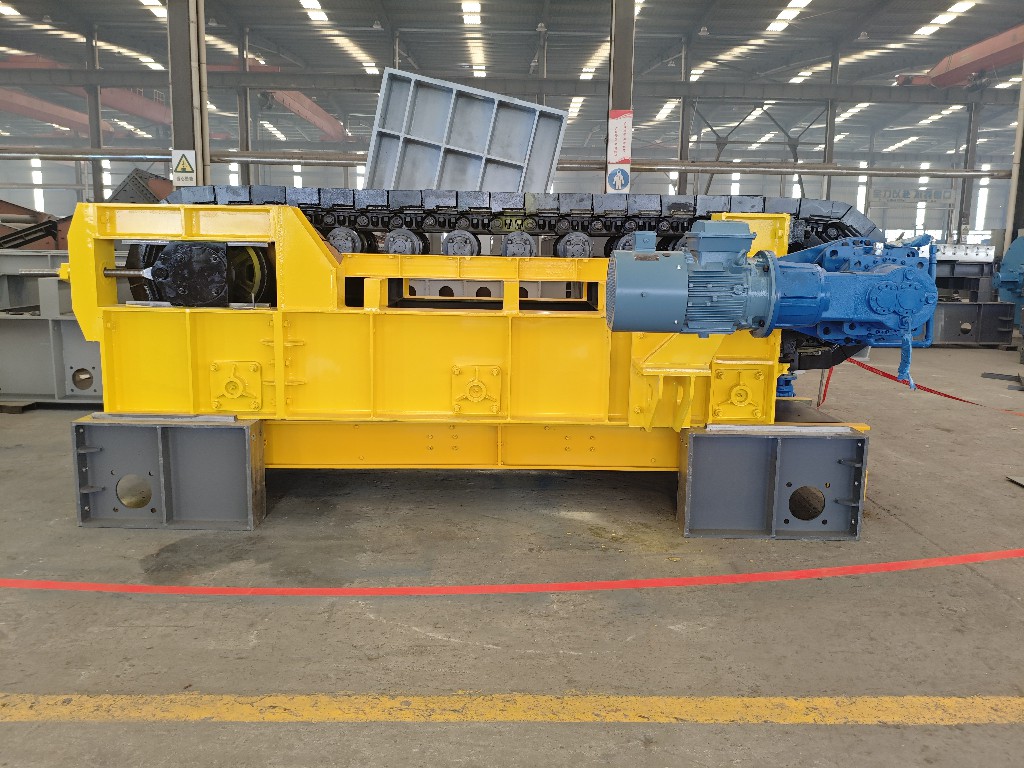
Product Overview
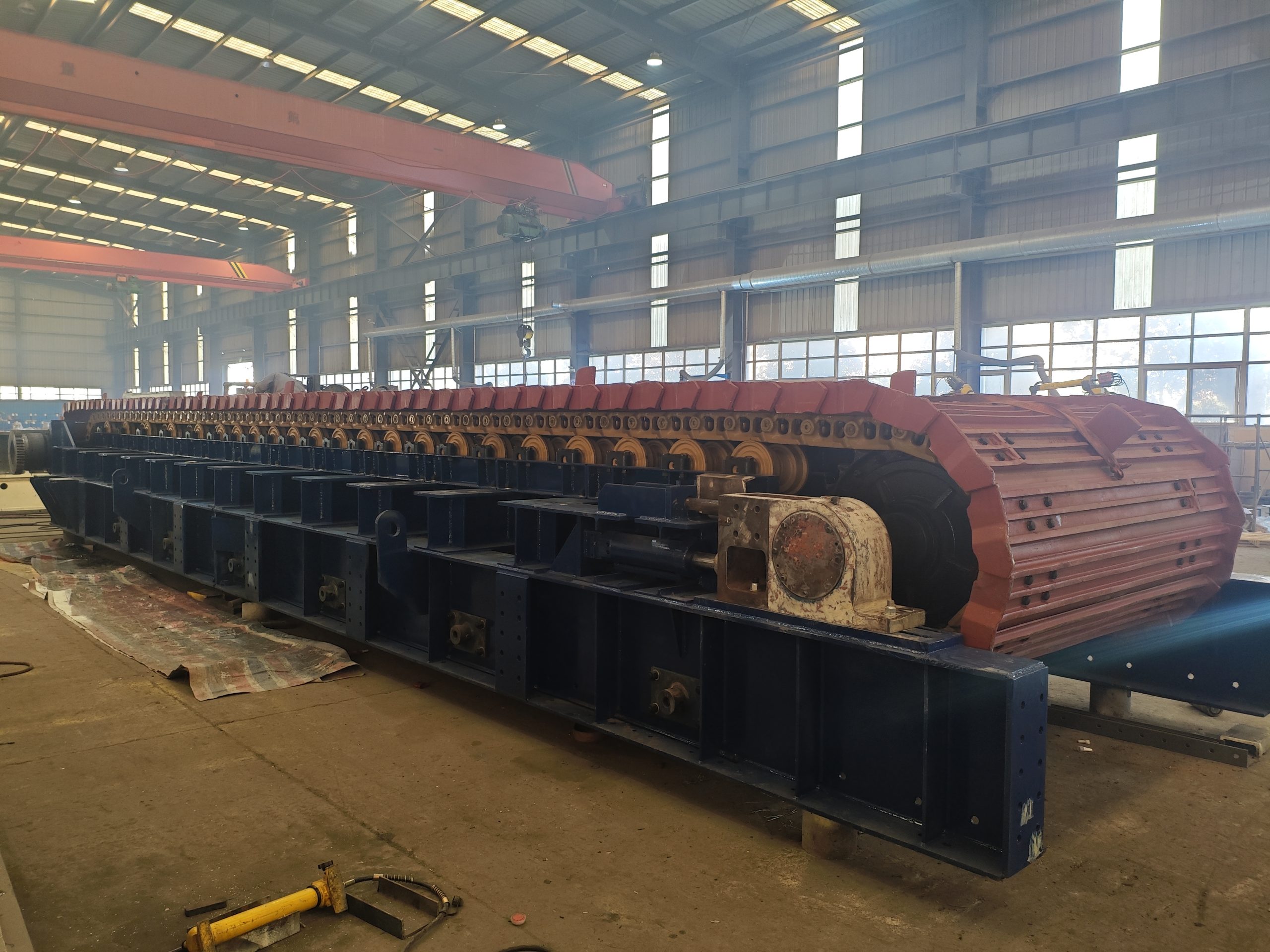
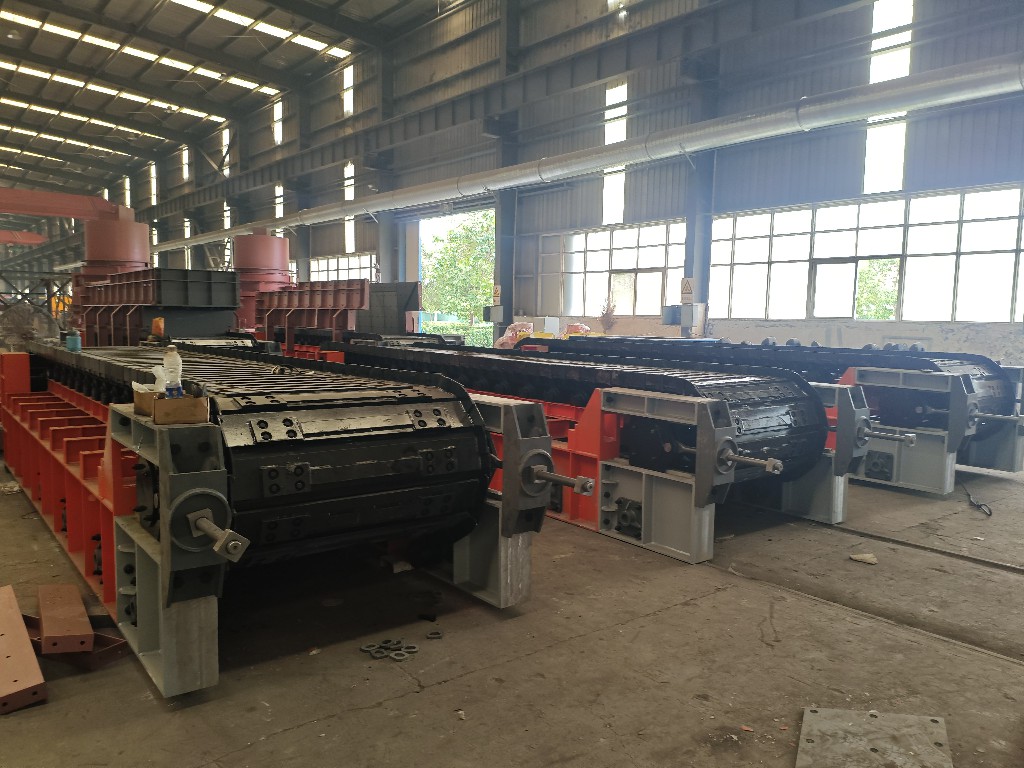
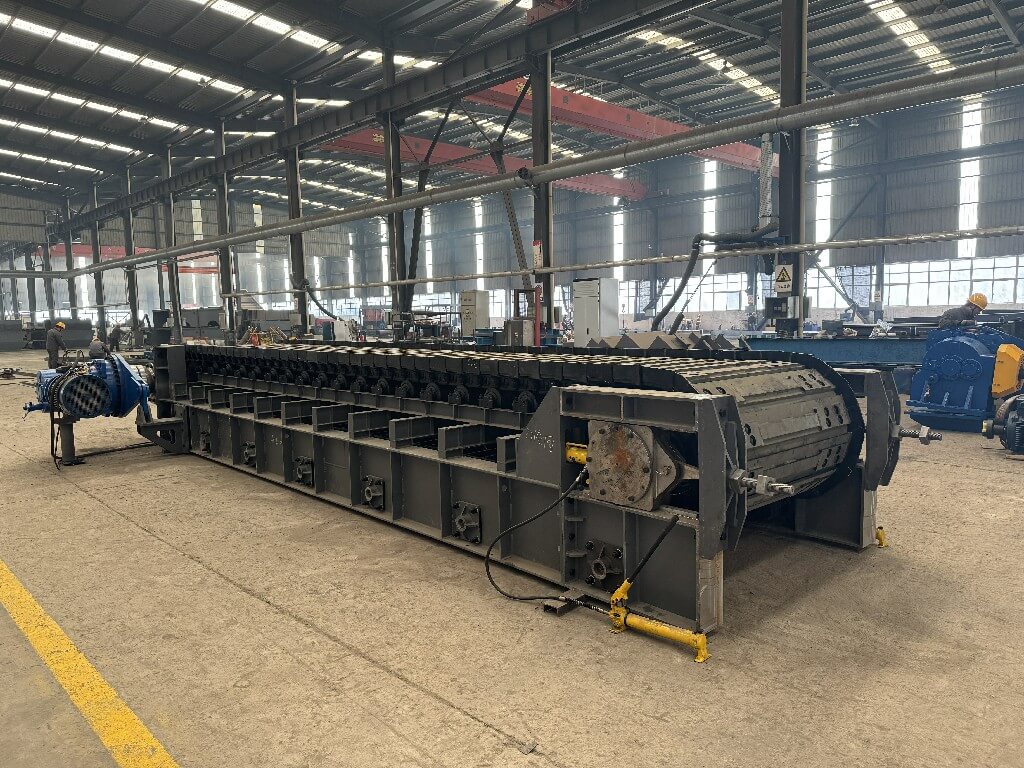
A Heavy Duty Apron Feeder is a robust material-handling machine designed to transfer large quantities of heavy, coarse or abrasive bulk materials at a controlled rate. It is widely used beneath primary crushers, receiving hoppers and ore stockpiles in mining and mineral processing plants.
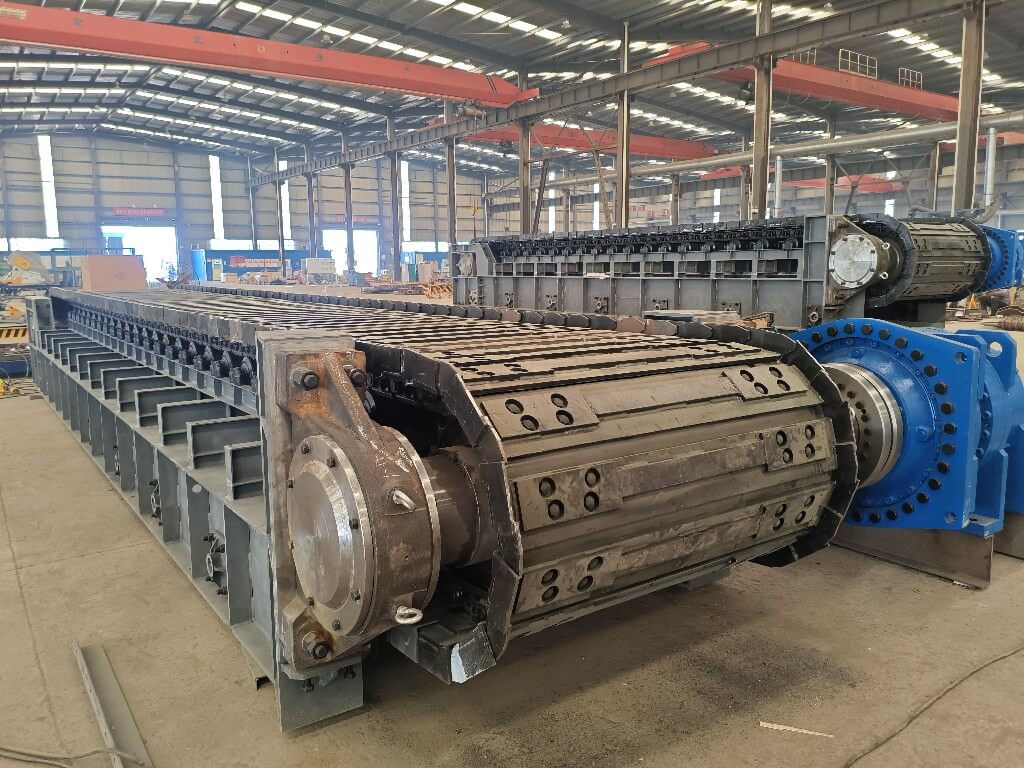
Unlike conventional belt feeders, an apron feeder uses overlapping steel pans mounted on heavy-duty chains to carry material. This construction makes it suitable for demanding applications involving large rock lumps, high material loads and continuous operation.
Zhenyuan Technology provides apron feeder solutions configured around material characteristics, required throughput, installation dimensions and downstream equipment requirements.

Working Principle
Material is loaded onto the steel pans from a hopper or stockpile. The chain-driven pans move along the feeder track, carrying material toward the discharge point at a controlled speed.
The feeder regulates the flow of material into downstream equipment, helping prevent sudden surges that may overload a crusher or disrupt the production line.
Hopper → Heavy Duty Apron Feeder → Primary Crusher → Conveyor
The feeder speed, pan dimensions and drive configuration are selected according to the required capacity and operating conditions.
Key Features
Heavy-Duty Steel Pans
Reinforced steel pans carry heavy loads and withstand impact from large rocks and coarse feed material.
High Load-Bearing Capacity
The chain, sprocket, supporting rollers and drive system are engineered to handle demanding material loads.
Stable Material Feeding
Controlled pan movement helps maintain a consistent feed rate to crushers and other downstream equipment.
Abrasion and Impact Resistance
Wear-resistant pan materials and replaceable wear components can be selected according to the abrasiveness and lump size of the material.
Adaptable Installation
Feeder length, width, inclination and discharge arrangement can be configured for different plant layouts.
Continuous Operation
A suitable drive and lubrication arrangement supports reliable operation in demanding mining and bulk-handling environments.
Technical Specifications
| Parameter | Specification |
|---|---|
| Equipment Type | Heavy Duty Apron Feeder |
| Application | Mining & Bulk Material Handling |
| Conveying Surface | Heavy-Duty Steel Pans |
| Drive System | Motor and Gearbox |
| Capacity | Project Dependent |
| Pan Width | Customized |
| Feeder Length | Customized |
| Feed Lump Size | Application Dependent |
| Installation Angle | Project Dependent |
| Chain and Pan Design | Selected for Operating Conditions |
Final specifications depend on material density, maximum lump size, required throughput, hopper loading conditions and installation layout.
Main Components
- Steel Pans: Support and transport heavy bulk material.
- Heavy-Duty Chains: Transfer the driving force and carry the loaded pans.
- Drive Sprockets: Engage with the chains to move the feeder.
- Supporting Rollers and Track: Support the moving assembly and help control its travel.
- Motor and Gearbox: Provide the torque and speed required for material transport.
- Take-Up Assembly: Maintains appropriate chain tension according to the feeder design.
- Frame: Supports the loaded feeder and withstands operating forces.
Component selection should account for impact loading, abrasive wear, maintenance access and expected operating hours.
Applications & Materials
A Heavy Duty Apron Feeder is commonly installed in:
- Primary crusher feeding systems
- Open-pit and underground mining facilities
- Iron ore and copper ore handling plants
- Limestone and quarry operations
- Stockpile reclaim systems
- Cement raw material handling
- Metallurgical and mineral processing plants
Suitable materials may include iron ore, copper ore, limestone, coal, granite and other bulk solids, subject to the feeder’s engineering design.
For wet, sticky or highly abrasive materials, the pan arrangement, chain protection, hopper geometry and maintenance provisions should be evaluated carefully.
How to Select the Right Heavy Duty Apron Feeder
Selecting a Heavy Duty Apron Feeder requires more than matching the required tonnes per hour. The equipment must withstand the actual loading conditions and deliver material at a rate compatible with the downstream process.
Start by determining the required capacity, bulk density and maximum feed lump size. Next, evaluate the height of the material column above the feeder, the impact generated during loading and the hopper outlet dimensions.
Material abrasiveness and moisture also influence pan thickness, chain selection and wear protection. Finally, confirm the discharge height, installation angle, available space and connection to the downstream crusher or conveyor.
For an accurate recommendation, provide:
Material Type + Capacity + Maximum Lump Size + Bulk Density + Hopper Dimensions + Installation Layout
Advantages & Customization
A properly designed apron feeder helps protect downstream equipment from uncontrolled feed surges while maintaining a reliable material supply. Its steel-pan construction is particularly useful where conventional belt feeders may not withstand the impact or loading conditions.
Available customization options include:
- Pan width and length
- Pan thickness and wear protection
- Chain type and strength
- Drive power and speed control
- Hopper interface
- Discharge height
- Installation angle
- Maintenance access
- Frame dimensions
The final configuration should be based on actual loading conditions and the operating requirements of the complete material-handling system.
Frequently Asked Questions
It transfers heavy, coarse bulk materials at a controlled rate, commonly feeding primary crushers and other processing equipment in mining plants.
Steel pans mounted on driven chains move material from a receiving hopper to the discharge point at a controlled speed.
Yes. A suitably engineered apron feeder can handle large rock lumps and impact loading. Pan dimensions, chain strength and the loading arrangement must be selected for the actual feed conditions.
It can be designed for materials such as iron ore, copper ore, limestone, coal and other bulk solids, depending on material density, abrasiveness and lump size.
Capacity depends on pan width, material bed depth, conveying speed, bulk density and loading conditions. Final sizing should also account for surge loads and downstream equipment capacity.
An apron feeder uses steel pans supported by heavy-duty chains and is generally suited to more severe impact and loading conditions. A belt feeder uses a belt and is selected according to material characteristics and operating requirements.
Yes. Pan dimensions, chain configuration, drive system, wear protection, hopper interface and overall layout can be tailored to the project.


