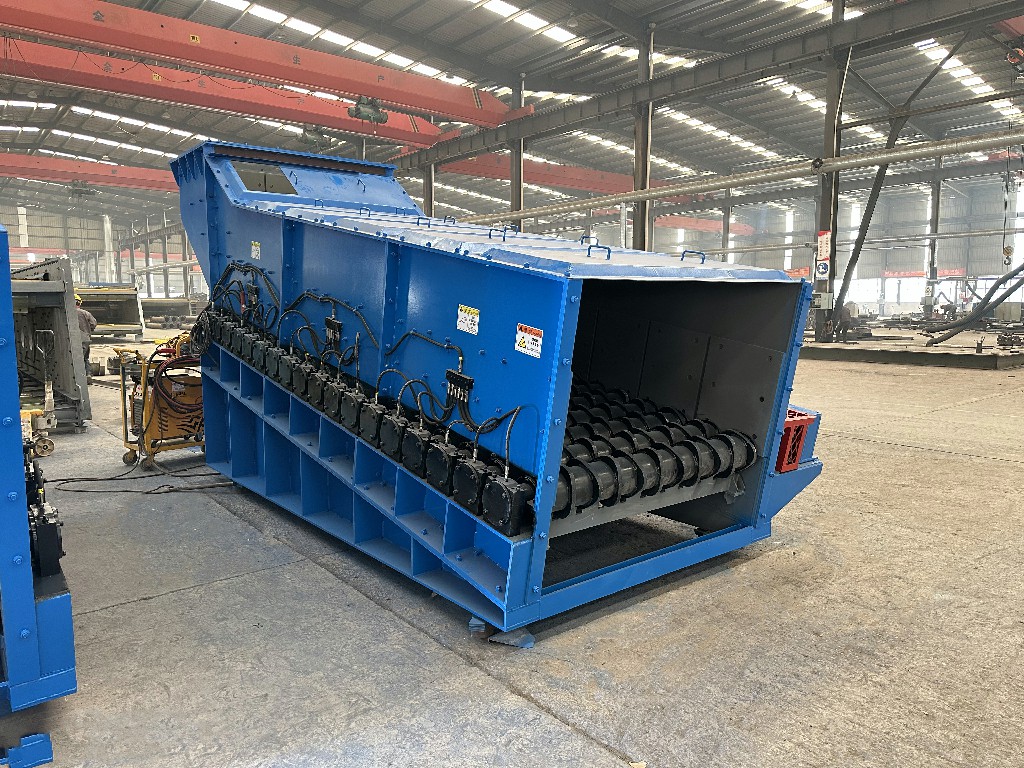
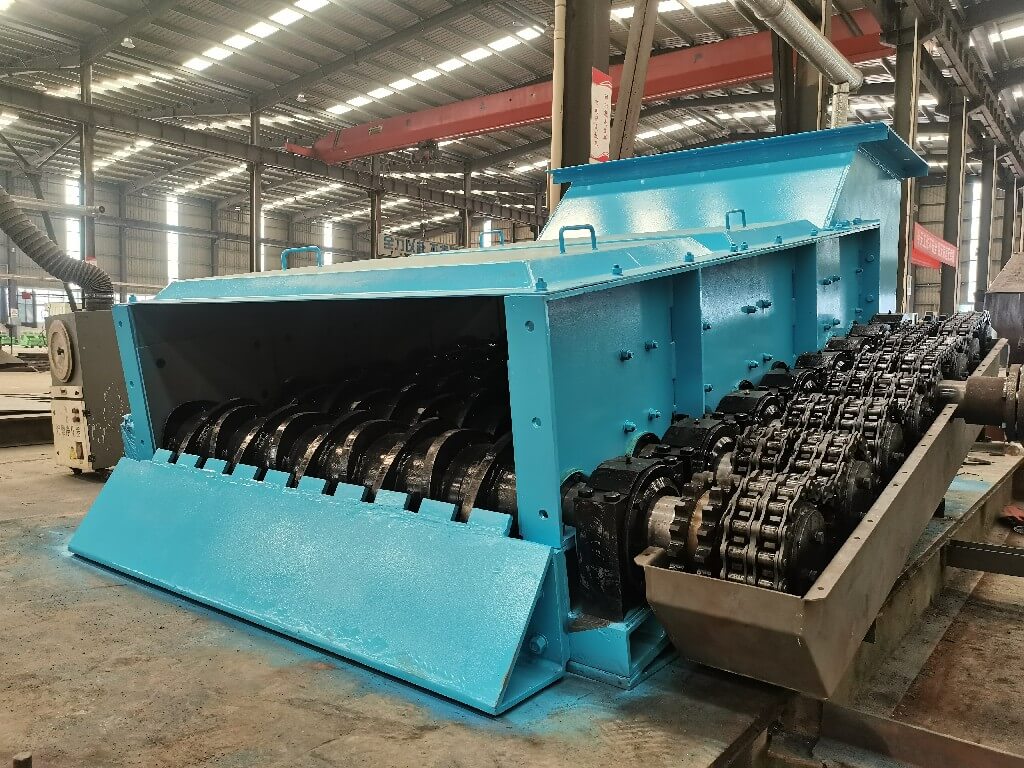
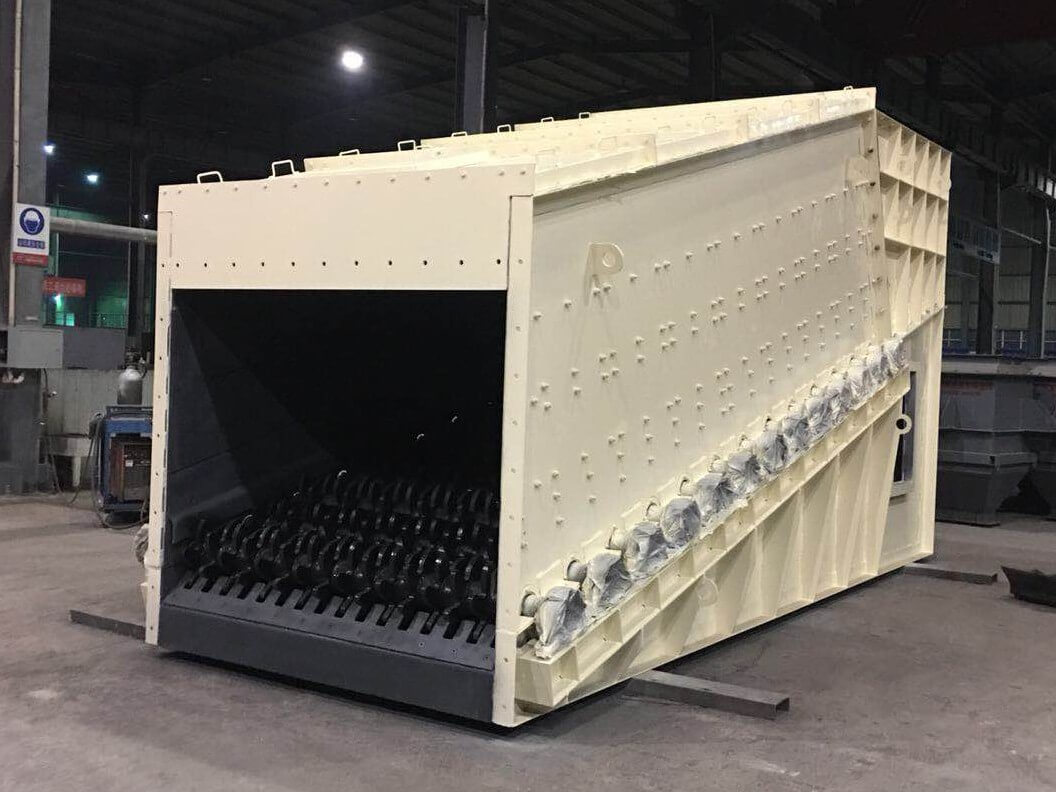
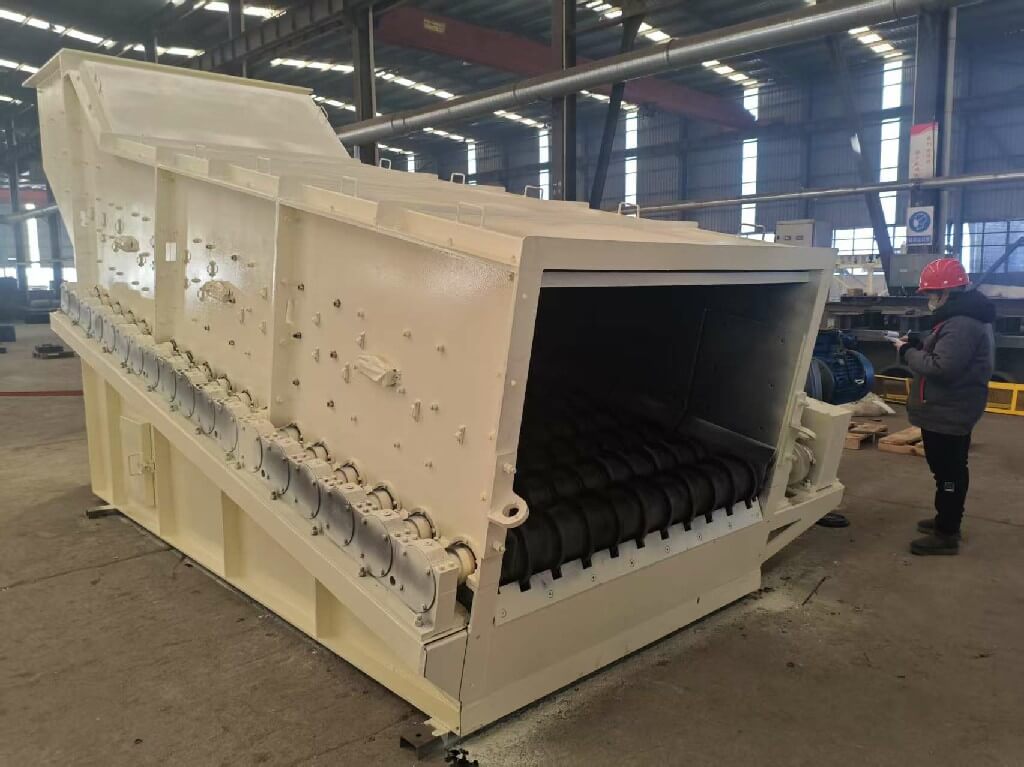
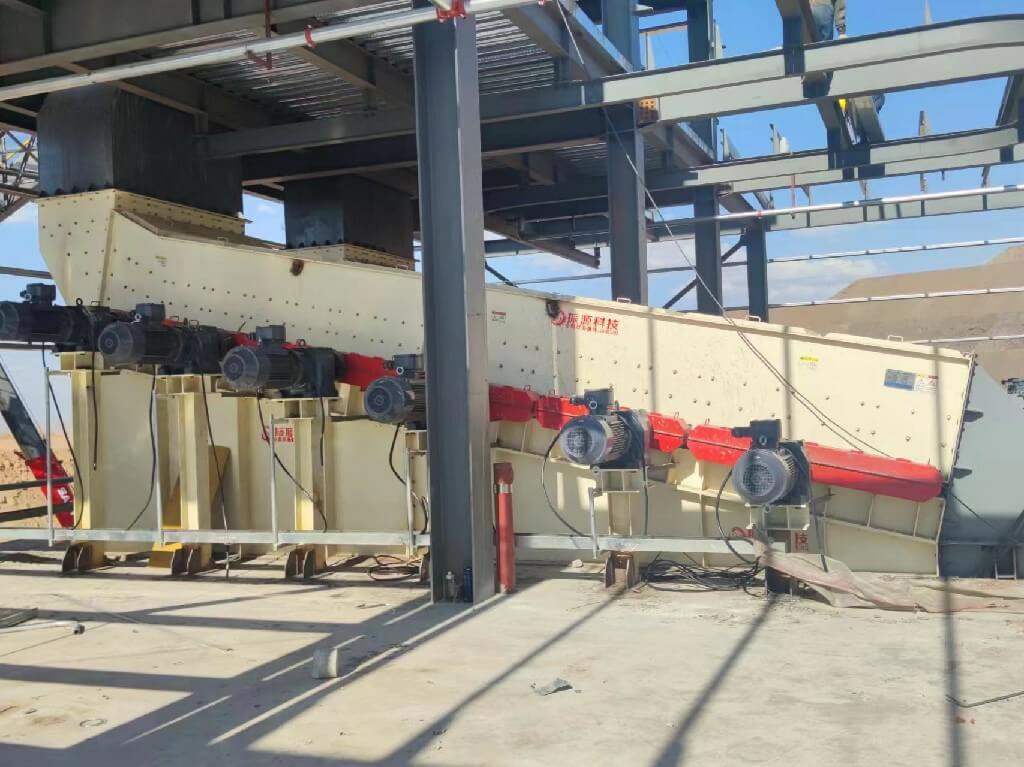
Heavy-Duty Ore Roller Screens (Disc Feeders) for Wet, Sticky Material Screening
Our heavy-duty Ore Roller Screens (also known as roller screen feeders or mud wave screens) are engineered for the pre-screening of wet, sticky, and high-moisture bulk materials prior to primary crushing. By effectively separating fines and clay from the run-of-mine (ROM) ore, our roller screens prevent downstream crusher clogging, reduce energy consumption, and maximize the overall efficiency of your mineral processing or cement production line.
Designed to handle heavy impact and high-capacity feed, these screens are the ultimate solution for processing difficult materials like limestone, bauxite, clayey iron ore, and coal.
Advanced Engineering Features (Why Our Roller Screens Stand Out)
Standard vibrating screens easily blind and clog when handling sticky mud and clay. Our Ore Roller Screens utilize active, self-cleaning mechanical principles to solve this industry bottleneck:
1. Non-Clogging & Self-Cleaning Disc Design
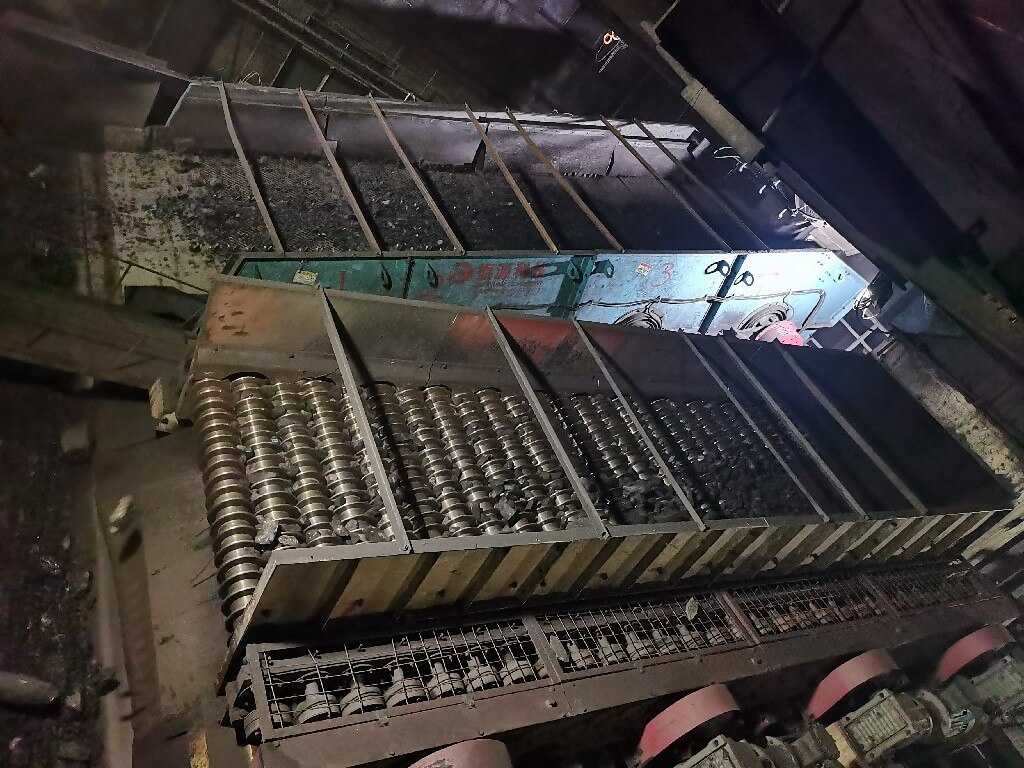
The screen surface consists of multiple rotating shafts equipped with specially shaped discs (triangular, elliptical, or eccentric profiles). As the shafts rotate in the same direction, the material is tossed forward, while the continuous relative motion between the discs automatically shears away sticky mud, preventing material buildup.
2. High-Wear Resistant Cast Steel Rollers
To withstand the constant abrasion of hard ores, our roller discs are cast from premium alloy steels (such as manganese steel or chromium-alloy steel) and undergo advanced surface hardening. This drastically extends the maintenance intervals compared to standard fabricated steel rollers.
3. Individual Shaft Drive for Maximum Reliability
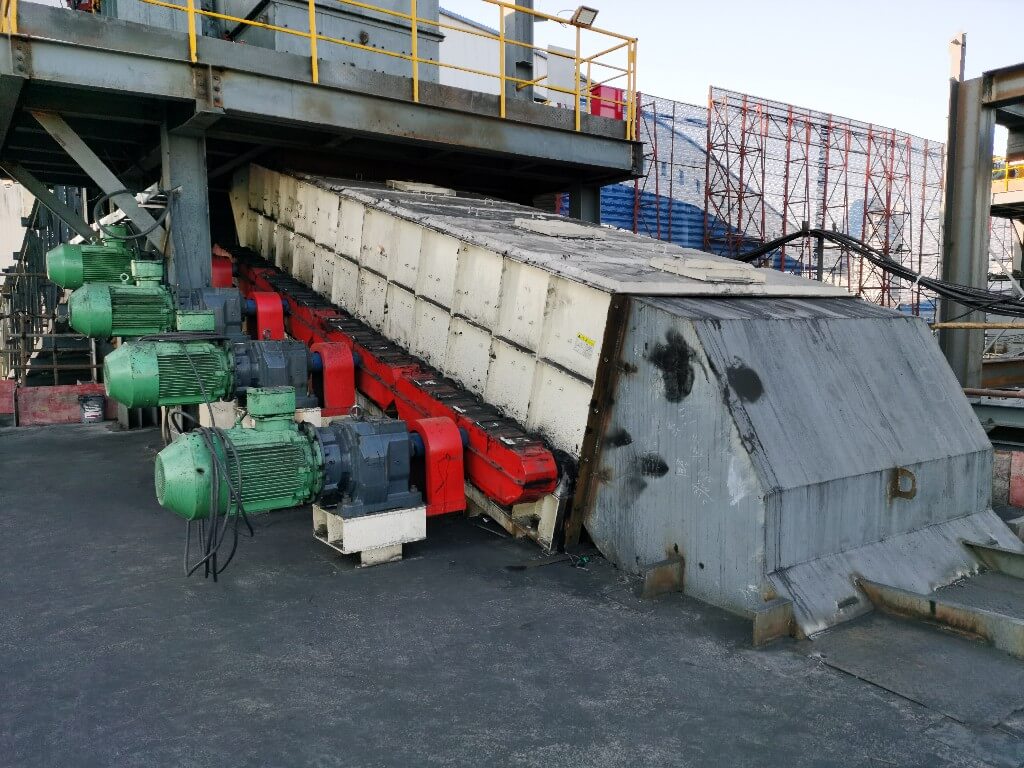
Each roller shaft can be equipped with its own independent gear motor. This individualized drive system ensures that if one shaft encounters an obstruction, the remaining shafts continue to operate, preventing complete system shutdowns and offering superior torque control.
4. Adjustable Gap & Variable Speed Control
The separation spacing between adjacent rollers is easily adjustable to accommodate changes in quarry feed size. Equipped with Variable Frequency Drives (VFD), operators can adjust the rotation speed to optimize screening efficiency based on real-time moisture conditions.
Typical Applications in Crushing & Cement Lines
- Pre-Screening Before Primary Crushers: Positioned directly after the apron feeder to screen out sub-size material (fines) before it enters primary jaw, hammer, or impact crushers, reducing crusher wear and power consumption.
- Clay & Mud Removal: Separating sticky overburden and mud from limestone quarries prior to the cement manufacturing process.
- Bauxite & Iron Ore Processing: Screening wet, sticky ores that would otherwise completely blind conventional vibrating or grizzly screens.
Frequently Asked Questions (FAQ)
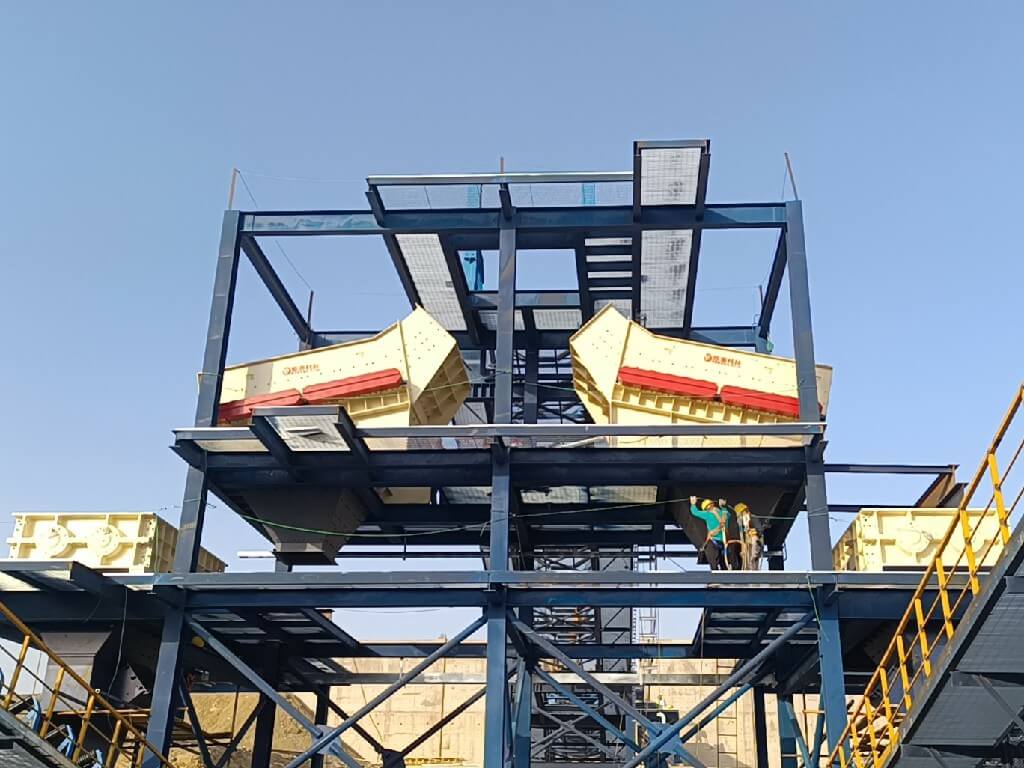
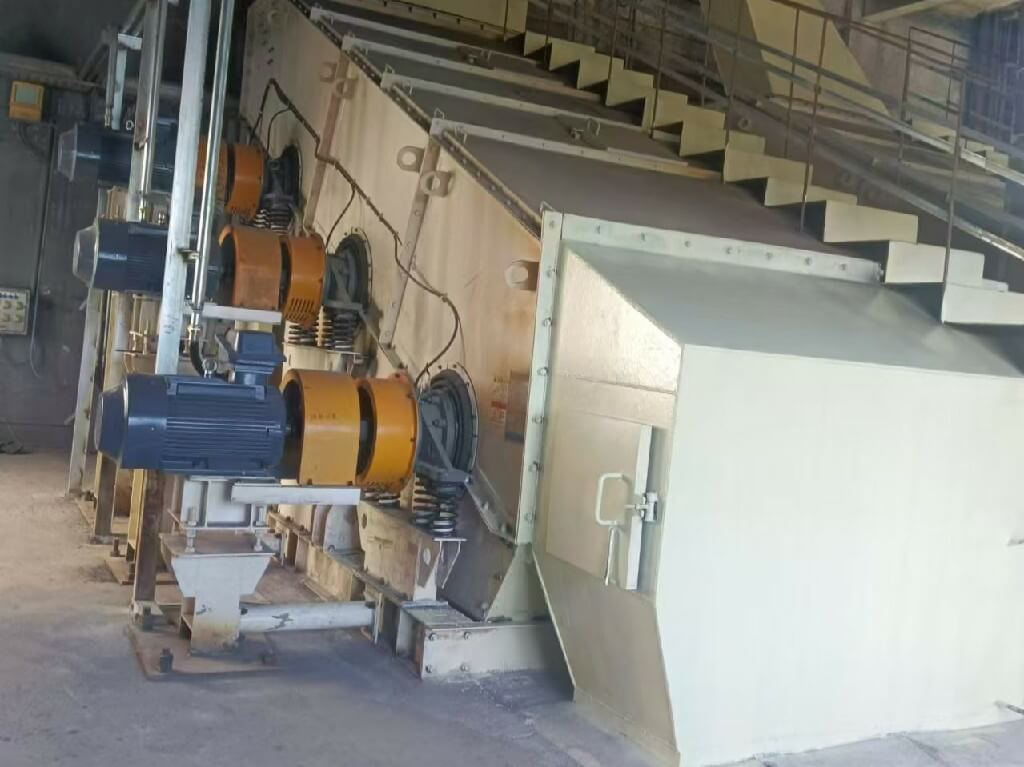
Q1: Why is a roller screen better than a vibrating screen for sticky materials? Conventional vibrating screens rely on gravity and vibration, which causes wet clay to stick to the screen mesh, eventually blinding the openings. Roller screens use active, mechanical rotary action. The rotating discs physically lift, agitate, and transport the material, shearing the mud and forcing the fines through the gaps, making blinding virtually impossible.
Q2: What shapes of discs do you offer, and how do I choose? We offer triangular, elliptical, and multi-lobe disc designs. Triangular and elliptical discs provide excellent material agitation and throwing action, which is ideal for extremely sticky materials. Multi-lobe discs provide smoother material transport and are suitable for higher-capacity screening of less sticky materials. Our engineers will recommend the best geometry based on your material testing.
Q3: How do you handle tramp iron or oversized uncrushable objects? Our roller screens can be integrated with torque-limiting couplings or intelligent control systems. If an uncrushable object (like a loader bucket tooth) gets wedged between the rollers, the system detects the spike in current, automatically reverses the affected rollers to clear the blockage, and then resumes forward operation.