In mineral processing, the right crushing equipment is not chosen by habit. It is chosen by feed behavior, capacity demand, product size target, site layout, maintenance strategy, and the real cost of downtime.
Jaw crushers, cone crushers, and impact crushers all have proven roles in mining, quarrying, cement, and aggregate production. But in many high-throughput applications, especially where the feed is wet, sticky, mixed, or difficult to handle, a mineral sizer can deliver a level of operating stability that conventional crushers struggle to match.
A mineral sizer is not simply another crusher. It is a low-speed, high-torque sizing machine designed to break material along natural fracture lines while controlling top size and keeping the material flow moving. For coal handling plants, limestone crushing systems, overburden processing, clay-rich ores, and certain soft-to-medium hard minerals, that difference can directly improve plant throughput.
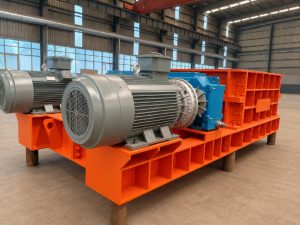
Why Mineral Sizers Are Different
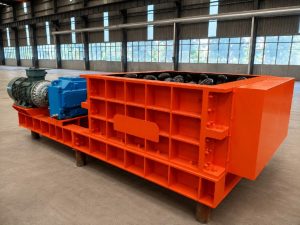
A mineral sizer uses two counter-rotating shafts fitted with crushing teeth. Instead of relying on high-speed impact or compression alone, the machine grips the material, draws it into the crushing chamber, and applies controlled shear and tensile forces.
This operating principle gives the mineral sizer several practical advantages:
Large feed sizes can be handled by a relatively compact machine.
Controlled product sizing helps reduce unwanted fines.
Because the machine runs at lower speed, dust, noise, and excessive wear are kept under better control.
Wet, sticky, and mixed materials also move through more reliably than they do in many conventional crushers.
In addition, the mineral sizer integrates smoothly with conveyors, apron feeders, roller screens, and mobile crushing stations.
For plant managers, the real value is not only in crushing performance. It is in fewer blockages, smoother downstream operation, and more predictable tons per hour.
Where Mineral Sizers Beat Jaw Crushers
Jaw crushers are widely used for hard rock primary crushing. They are strong, simple, and capable of handling abrasive material. However, they can become less efficient when the feed is wet, clay-bearing, or inconsistent.
A mineral sizer often outperforms a jaw crusher when the goal is continuous material flow rather than maximum compression force.
In coal, lignite, limestone, gypsum, salt, phosphate, and soft ore applications, jaw crushers may generate excessive fines or suffer from bridging in the feed opening. A mineral sizer, by contrast, actively draws material through the machine. This helps reduce the risk of blockages and keeps the conveyor system supplied at a steadier rate.
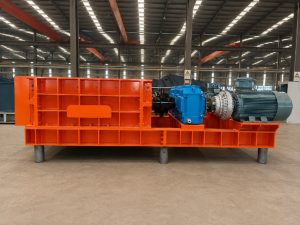
Another key advantage is installation height. Jaw crushers usually require a deep pit or tall steel structure because material must drop into the chamber and discharge below. Mineral sizers can often be installed with a lower profile, reducing civil work and making them attractive for brownfield upgrades.
For plants seeking higher throughput without major reconstruction, this compact layout can be decisive.
Where Mineral Sizers Beat Cone Crushers
Cone crushers are excellent secondary and tertiary crushers for hard and abrasive rock. They are designed for size reduction after the primary crushing stage. But they are not always the best choice for large, wet, sticky, or slabby feed.
A cone crusher needs a well-controlled feed size and consistent material flow. Oversized lumps, tramp material, or sticky fines can cause instability, packing, and reduced capacity.
Mineral sizers perform better in applications where the feed is variable and the required product is a controlled top size rather than a highly refined aggregate shape. In primary and secondary sizing duties, the mineral sizer can reduce large lumps before the material reaches screens, mills, or conveyors.
This makes the mineral sizer especially valuable in front-end processing circuits where the plant must protect downstream equipment from oversize material.
For example, in a coal preparation plant, a primary mineral sizer can reduce run-of-mine coal to a manageable size before screening and washing. In a cement plant, a limestone sizer can deliver steady feed to the next processing stage while minimizing fines and dust.
Where Mineral Sizers Beat Impact Crushers
Impact crushers are known for producing well-shaped aggregate and high reduction ratios. They work well with certain limestone, concrete recycling, and aggregate applications. But their high-speed crushing action can lead to high wear, high fines generation, and sensitivity to abrasive feed.
Mineral sizers outperform impact crushers when durability, controlled fines, and low-speed reliability matter more than particle shape.
In coal, clay-rich limestone, oil shale, bauxite, and overburden processing, too many fines can reduce screening efficiency, increase dust, and create handling problems. The mineral sizer’s tooth design and low-speed action help limit unnecessary degradation.
Impact crushers also tend to consume more wear parts in abrasive or contaminated feed. A mineral sizer, properly selected with the right tooth configuration and wear materials, can offer longer wear life and more predictable maintenance intervals.
For operations running long shifts under demanding conditions, maintenance predictability is often worth more than peak reduction ratio.
Better Performance With Wet and Sticky Material
Wet and sticky feed is one of the clearest areas where mineral sizers prove their value.
Many crushing circuits lose capacity when clay, moisture, or fine material begins to build up inside the machine. Jaw crushers may bridge. Cone crushers may pack. Impact crushers may clog or suffer from heavy buildup.
A mineral sizer is designed to keep material moving. The rotating shafts pull feed into the crushing zone, while the tooth pattern helps break and convey the material through the machine. This makes mineral sizers highly suitable for:
Run-of-mine coal
Lignite and soft coal
Clay-contaminated ore
Wet limestone
Gypsum
Oil shale
Overburden
Soft-to-medium hard minerals
In these applications, the best crusher is not always the one with the highest theoretical capacity. It is the machine that keeps producing when the feed condition becomes difficult.
Higher Throughput Through Fewer Interruptions
Throughput is not only about rated capacity. A machine rated for high tons per hour does not deliver value if it is frequently stopped for clearing, maintenance, or feed adjustment.
Mineral sizers support plant throughput by reducing common causes of interruption:
Fewer blockages from sticky or mixed feed
Lower fines generation that can overload screens
Controlled product size that protects conveyors and mills
Lower-speed operation that reduces vibration and impact stress
Simpler access for tooth inspection and replacement
In a continuous processing plant, even short stoppages can create a chain reaction. Feeders stop. Conveyors empty or overload. Screens lose efficiency. Mills experience unstable feed.
By stabilizing the primary crushing or sizing stage, a mineral sizer helps the entire plant run closer to its designed capacity.
Controlled Product Size With Less Fines Generation
One of the main advantages of a mineral sizer is controlled top-size reduction.
Unlike impact crushers, which break material aggressively at high speed, mineral sizers apply a more selective breakage action. Material is crushed and sized according to the gap, tooth geometry, shaft speed, and feed characteristics.
Coal processing circuits can lose washing efficiency and product value when fines become excessive. For limestone and cement applications, excess fines often increase dust levels and create material handling problems. Across mining circuits, uncontrolled fines may also reduce screening efficiency or make ore handling more difficult.
A properly selected mineral sizing machine can help maintain the required product size while protecting the process from unnecessary degradation.
Lower Profile and Easier Plant Integration
Plant layout is often overlooked during crusher selection, but it can heavily influence project cost and installation time.
Jaw crushers and cone crushers may require taller structures, deeper foundations, and more transfer height. Impact crushers may require additional space for maintenance access, dust control, and wear part handling.
Mineral sizers are often more compact in height and easier to fit into existing conveyor-based systems. This can reduce:
Civil foundation requirements
Steel structure height
Transfer chute complexity
Installation time
Retrofit difficulty
For existing mining, coal, and cement plants, these layout advantages can make a mineral sizer a practical route to capacity improvement without rebuilding the entire crushing station.
When Conventional Crushers Still Make Sense
A credible equipment selection process must acknowledge that mineral sizers are not the answer for every application.
Jaw crushers remain strong choices for very hard, abrasive rock in primary crushing.
Cone crushers are highly effective for secondary and tertiary hard rock reduction where precise gradation and cubicity are required.
Impact crushers are valuable in aggregate production, recycling, and softer stone applications where particle shape is a major priority.
Mineral sizers perform best when the application requires high throughput, controlled top size, lower fines, reliable handling of difficult feed, and integration with continuous material handling systems.
The best decision depends on material testing, feed size analysis, abrasiveness, moisture content, target product size, and plant capacity requirements.
How to Select the Right Mineral Sizer
Choosing the right mineral sizer requires more than selecting a capacity figure from a catalog. The equipment should be matched to the actual duty.
Important selection factors include:
Feed material type and compressive strength
Moisture and clay content
Maximum feed size
Required product size
Hourly and peak capacity
Tooth configuration
Roll diameter and roll length
Motor power and torque requirement
Tramp material risk
Downstream conveyor, screen, or mill capacity
A good mineral sizer supplier should evaluate the complete operating condition, not just the crusher opening. The goal is to deliver stable production across real feed variations, not only under ideal test conditions.
The Bottom Line
Mineral sizers outperform jaw, cone, and impact crushers in applications where material flow, controlled sizing, and uptime matter most.
They are particularly effective in coal handling, soft ore processing, limestone crushing, cement plants, quarry operations, overburden reduction, and wet or sticky material applications. Their low-speed, high-torque design helps reduce blockages, control product size, limit fines, and stabilize downstream equipment.
For operations under pressure to increase plant throughput, the mineral sizer is more than a crushing machine. It is a production control point. When selected correctly, it can raise effective capacity, reduce operating interruptions, and improve the economics of the entire processing line.
FAQ
A mineral sizer improves throughput by drawing material through the crushing chamber with low-speed, high-torque shafts. This reduces bridging, improves flow stability, and helps maintain continuous feed to conveyors, screens, and downstream equipment.
Yes. A mineral sizer is widely used in coal crushing because it handles run-of-mine coal, wet coal, and mixed feed efficiently while producing controlled product size and limiting excessive fines.
A mineral sizer can replace a cone crusher in certain primary or secondary sizing duties, especially for soft-to-medium hard materials. However, cone crushers remain better suited for hard rock secondary and tertiary crushing where fine gradation is required.
A mineral sizer uses controlled shear and compression at lower speed, while an impact crusher breaks material through high-speed impact. The sizer’s gentler breakage action helps reduce unnecessary fines generation.
A mineral sizing machine can process coal, lignite, limestone, gypsum, phosphate, salt, oil shale, bauxite, overburden, and many soft-to-medium hard minerals, depending on tooth design, drive power, and application conditions.