In mining, coal handling, and mineral processing, maintenance is rarely just a workshop issue. It affects production targets, energy use, spare parts planning, belt conveyor reliability, and the cost per ton of material handled. A crusher that performs well on paper but demands frequent shutdowns can quietly drain profit from an operation.
That is why the sizer crusher has become an important choice for many operators handling coal, limestone, gypsum, clay, overburden, oil shale, soft ore, and other friable materials. Unlike high-speed impact machines, a sizer crusher works with low-speed, high-torque crushing. It breaks material through shear, compression, and tensile forces, often producing less shock, fewer fines, and lower wear across the crushing circuit.
For plants where uptime matters as much as capacity, this maintenance advantage can be the difference between predictable production and constant firefighting.
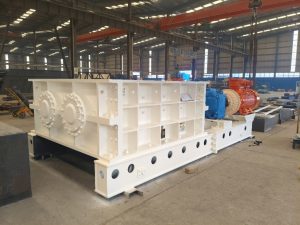
Why Sizer Crushers Wear Differently
The first maintenance benefit of a mineral sizer crusher comes from its operating principle. Traditional crushers often rely on high impact or high compressive force. These machines can be very effective, but in abrasive or mixed-feed conditions they may transfer heavy stress into liners, bearings, foundations, and downstream conveyors.
A sizer crusher uses rotating shafts fitted with engineered tooth segments. As material enters the crushing chamber, oversized lumps are gripped, fractured, and sized as they pass between the shafts and sizing elements. Because the shafts rotate at relatively low speed, the crusher avoids much of the violent impact associated with faster machines.
This lower-speed action can reduce:
- Tooth and liner shock loading
- Excessive vibration
- Dust and fine generation
- Bearing stress caused by repeated impact
- Structural fatigue around the crusher station
In practical terms, the machine is not just crushing material. It is controlling how energy enters the material, which is a major reason sizer crushers can deliver long service life in the right application.
Lower Fines Mean Lower Hidden Costs
Many operators focus on crusher wear parts, but fines generation is another major cost driver. Excessive fines can overload screens, increase dust suppression demand, reduce product value, and create carryback on belt conveyors.
A properly selected coal sizer crusher can help limit unnecessary fines because it is designed to break material along natural weakness planes rather than pulverizing it. In coal preparation plants, this is especially valuable. Less degradation can mean better lump coal recovery, cleaner transfer points, and lower dust exposure around the crushing station.
The same principle applies in other mineral applications. When a plant needs controlled top size without producing large amounts of waste fines, a sizer crusher can protect both product quality and downstream equipment.
Replaceable Tooth Segments Simplify Maintenance
One of the strongest advantages of modern sizer crushing equipment is modular wear part design. Tooth segments, picks, comb plates, and wear liners are commonly designed for targeted replacement. Instead of removing large assemblies or performing heavy rebuilds during every maintenance event, teams can replace the components that actually experience wear.
This matters in real plant conditions. Maintenance crews are often working under time pressure, with limited shutdown windows and production waiting to restart. A crusher that allows faster access, simpler replacement, and predictable inspection points helps reduce both downtime and labor cost.
Good sizer crusher maintenance usually includes regular checks on:
- Tooth segment wear and breakage
- Shaft timing and alignment
- Comb plate clearance
- Gearbox oil condition
- Bearing temperature and lubrication
- Hydraulic or mechanical overload protection
- Fastener tightness around wear components
When these checks are part of a planned routine, maintenance becomes preventive instead of reactive.
Protection Against Uncrushable Material
Mining and bulk handling streams are rarely perfect. Steel tools, rail spikes, tramp metal, wood, and oversized foreign objects can enter the feed despite good upstream controls. In high-speed crushers, these events may cause severe damage.
Many twin-shaft sizer crushers are equipped with overload protection systems that allow the shafts to stop, reverse, or release when uncrushable material enters the chamber. This helps protect shafts, gearboxes, bearings, and drive components from catastrophic failure.
For the operator, this is not a small detail. One tramp metal event can turn into hours or days of lost production if the crusher suffers major internal damage. A robust sizer crusher gives the operation a better chance to recover quickly and safely.
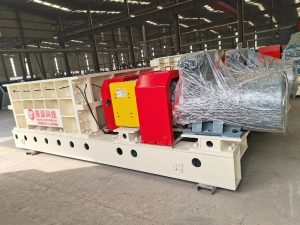
Energy Efficiency Supports Lower Cost Per Ton
Maintenance and energy are closely connected. A crusher that uses force efficiently often places less stress on its mechanical components. Because sizer crushers use high torque at low speed, they can be highly efficient when matched to the correct feed material and product size.
This does not mean a sizer crusher is the right answer for every hard rock application. Very hard, highly abrasive ore may require different crushing technology. But for coal, soft minerals, and medium-strength materials, the combination of selective breakage, low speed, and controlled sizing can reduce energy waste and mechanical strain.
Lower power draw, fewer shutdowns, longer wear life, and less downstream cleanup all contribute to a lower operating cost per ton.
Choosing the Right Sizer Crusher for the Application
The maintenance advantage only appears when the crusher is correctly selected. A reliable supplier should evaluate more than hourly capacity. The full application review should include feed size distribution, moisture, clay content, abrasiveness, compressive strength, required product size, installation space, and downstream conveyor or screen capacity.
Key selection points include:
- Shaft center distance
- Tooth profile and tooth material
- Crusher length and inlet opening
- Drive power and torque margin
- Wear liner configuration
- Access for inspection and part replacement
- Tramp protection method
- Integration with feeders and conveyors
In coal mines, a compact coal sizer crusher may be installed underground or near the primary transfer point to reduce belt load and control lump size early. In cement, quarrying, or mineral processing, a mineral sizer may be used as a primary or secondary crusher where controlled product size and low fines are required.
The best results come from matching the crusher to the material instead of forcing the material to fit the crusher.
Practical Maintenance Habits That Extend Service Life
Even a durable sizer crusher needs disciplined maintenance. Operators should avoid running the machine with badly worn teeth, incorrect clearances, poor lubrication, or unstable feeding. Uneven feed can concentrate wear on one side of the shafts, while oversized feed beyond design limits may increase stress on the drive system.
A good maintenance program should include visual inspection after each shift, scheduled lubrication, oil analysis for gearboxes, vibration and temperature monitoring, and planned wear part replacement before performance declines.
The goal is simple: keep the crusher working within its design envelope. When that happens, the sizer crusher can deliver exactly what mine and plant managers want: stable throughput, controlled product size, fewer emergency stops, and predictable maintenance cost.
The Real Value: Fewer Surprises
The strongest argument for sizer crushers is not only that they can reduce wear. It is that they help make crushing more predictable. Predictability is valuable in any operation where production schedules, spare parts, labor, and energy costs must be controlled.
A well-selected sizer crusher can reduce mechanical shock, extend wear part life, protect downstream equipment, and improve the overall reliability of the crushing system. For coal mines, mineral processors, cement plants, and bulk material handling facilities, that maintenance advantage becomes a direct operating advantage.
When the crusher is easier to inspect, faster to service, and less punishing on the rest of the plant, maintenance stops being a constant cost problem and becomes part of a smarter production strategy.
FAQ
A sizer crusher operates at low speed with high torque, which reduces impact shock and vibration. Its modular tooth segments and wear parts also make inspection and replacement faster during planned maintenance.
A coal sizer crusher can reduce fines, limit dust, lower mechanical stress, and improve product control. These benefits help reduce wear part consumption, cleanup work, downtime, and energy waste.
A mineral sizer crusher is suitable for many soft to medium-strength materials where controlled sizing, low fines, and reliable operation are priorities. Common applications include coal, limestone, gypsum, clay, and similar friable materials.
Common wear parts include tooth segments, picks, comb plates, side liners, and other crushing chamber protection parts. Replacement intervals depend on material abrasiveness, feed size, moisture, and operating hours.
Many sizer crushers include overload or reversing protection to help manage tramp metal and uncrushable objects. The exact protection method depends on the crusher design and should be confirmed during equipment selection.