Buying coal sizers is not just a price comparison. For mining companies, coal preparation plants, power plants, and bulk handling projects, the right machine can improve crushing efficiency, reduce fines, protect downstream equipment, and lower long-term operating costs.
Before placing an order, procurement teams should ask the supplier the right questions. First, what coal types and moisture levels can the coal sizer handle? Sticky, wet, or high-ash coal requires a different tooth profile and drive design than dry, brittle material. Second, what is the expected capacity range under real working conditions? A reliable supplier should provide data based on feed size, discharge size, and material characteristics.
You should also ask about wear parts, maintenance access, motor power, gearbox selection, overload protection, and installation requirements. These details directly affect downtime and total ownership cost. A low initial price may become expensive if replacement parts are hard to source or if the machine struggles with site conditions.
Another important question is customization. Professional coal sizer manufacturers should be able to adjust tooth configuration, roller speed, frame structure, and feeding arrangement according to your production line. Finally, ask for case references, drawings, delivery schedule, warranty terms, and after-sales support.
A good supplier will not simply sell a machine. They will help you match the coal sizer to your process, capacity target, and maintenance plan. For purchasing managers and procurement specialists, asking these 10 questions early can prevent costly mistakes later.
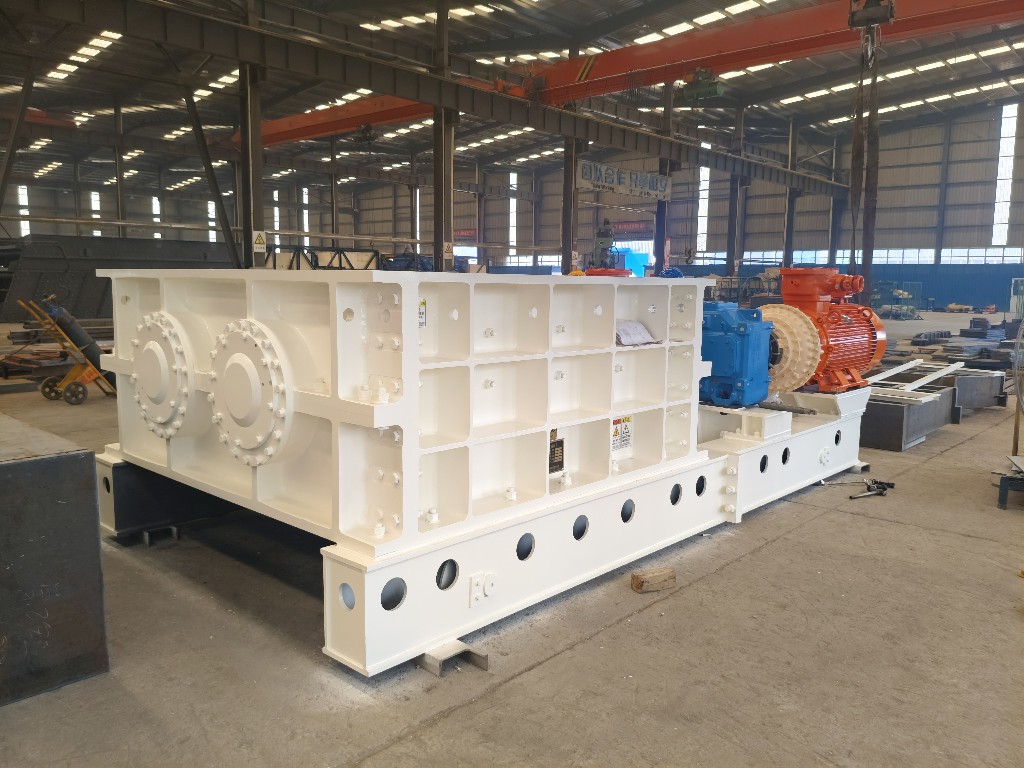
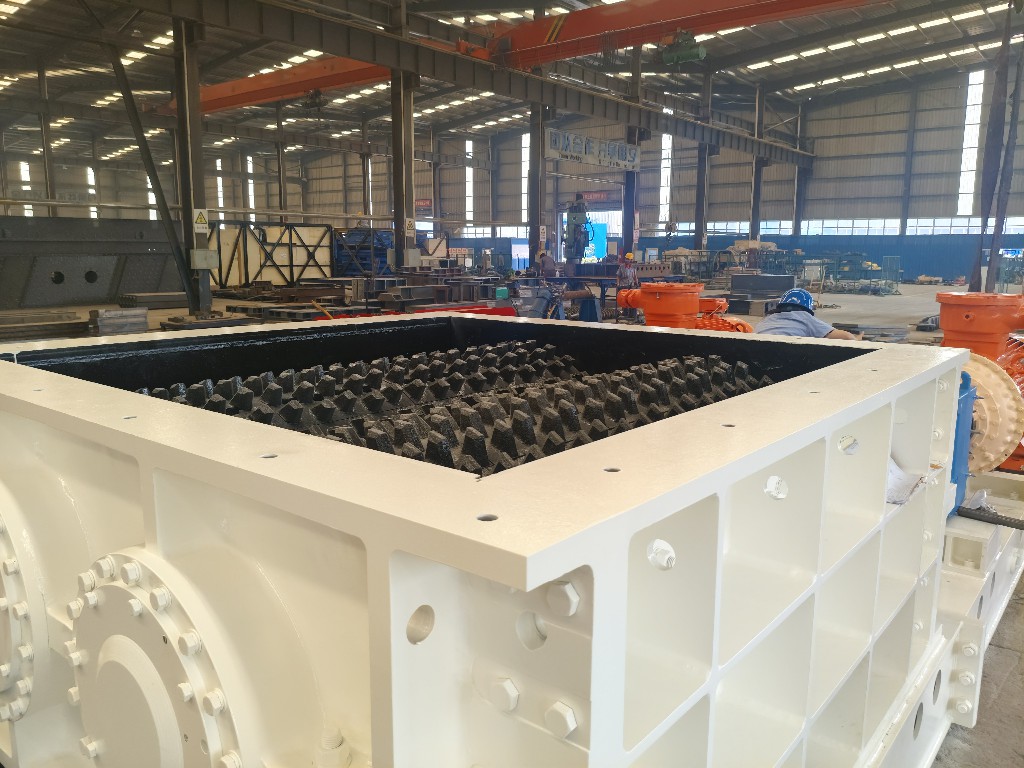
Coal sizers should be selected based on actual feed size, moisture, coal hardness, required output size, and hourly production target.
Coal sizers use low-speed, high-torque sizing action, which helps break coal along natural fractures and can reduce excessive fines compared with impact crushing.
Key wear parts include sizing teeth, tooth caps, shafts, liners, scrapers, and sealing components. Easy access to these parts helps reduce downtime.
Yes, but the machine must be designed with suitable tooth profiles, roller spacing, cleaning devices, and enough torque for sticky material conditions.
Compare technical experience, customization ability, case references, spare parts support, delivery time, warranty terms, and total operating cost, not only the purchase price.