In bulk material handling, choosing the right feeder is not only about moving material from one point to another. It affects production stability, equipment lifespan, maintenance cost, and the efficiency of the entire crushing or conveying system.
Two common types used in mining, cement, aggregates, metallurgy, and heavy industrial plants are the Apron Chain Feeder and the Heavy Duty Apron Feeder. They may look similar, but their application scenarios and working strengths are different. Understanding these differences can help buyers select a feeder that truly matches their material, capacity, and working environment.
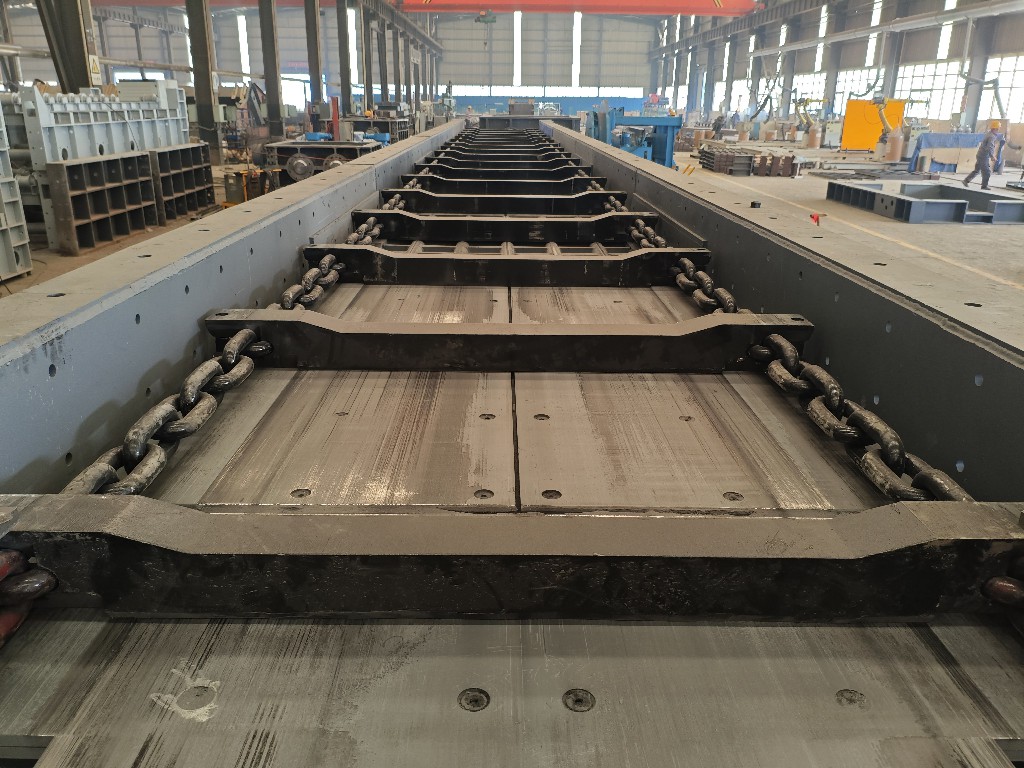
Key Application Differences
The Apron Chain Feeder is better suited for medium-duty feeding tasks. It works well when material size is relatively controlled and the feeding volume is moderate. It is often chosen for cement plants, coal handling systems, aggregate production lines, and general industrial material transfer.
The Heavy Duty Apron Feeder, on the other hand, is built for severe-duty applications. It is preferred when the material is large, heavy, wet, sticky, or highly abrasive. Typical applications include open-pit mining, underground mining, primary crushing stations, iron ore processing, and large stone production lines.
In simple terms, if your feeding process requires stability and wear resistance, an Apron Chain Feeder may be enough. If your process involves strong impact, large rocks, and high production pressure, a Heavy Duty Apron Feeder is the better investment.
How to Choose the Right Feeder
When selecting between an Apron Chain Feeder and a Heavy Duty Apron Feeder, buyers should focus on several practical factors.
First, consider the material characteristics. Large lump size, high density, sharp edges, and strong abrasiveness require a stronger feeder structure. For softer or medium-sized bulk materials, a standard Apron Chain Feeder can often meet the requirement.
Second, evaluate the feeding capacity. A high-capacity production line needs a feeder with enough power, chain strength, and pan width to maintain continuous operation without overload.
Third, check the installation position. Feeders installed under truck dump hoppers or primary crushers must withstand heavy impact. In such cases, a Heavy Duty Apron Feeder is usually recommended.
Fourth, consider the working hours. For plants operating continuously for long shifts, durability and maintenance convenience become especially important. A heavy-duty design may reduce downtime and long-term operating cost.
Finally, review your budget and lifecycle cost. An Apron Chain Feeder may have a lower initial cost, but a Heavy Duty Apron Feeder can provide better value in extremely harsh environments because it reduces failure risk and maintenance frequency.
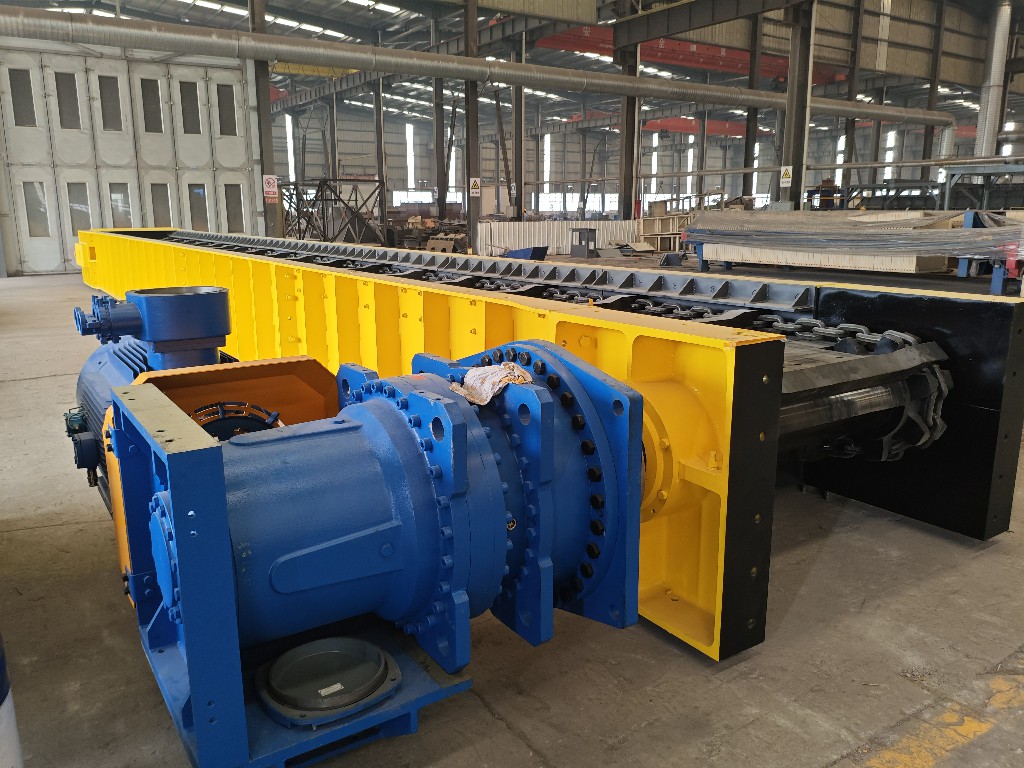
Quick Selection Guide
Choose an Apron Chain Feeder if:
- The material is medium-sized or moderately abrasive
- The production capacity is not extremely high
- The feeder is used for controlled discharge from bins or silos
- The working condition is stable and not highly impact-loaded
- You need a cost-effective feeding solution
Choose a Heavy Duty Apron Feeder if:
- The material includes large rocks, ores, or heavy lumps
- The feeder receives direct impact from trucks, loaders, or crushers
- The operation environment is dusty, wet, sticky, or abrasive
- The production line requires continuous heavy-duty operation
- Equipment reliability is more important than initial purchase cost
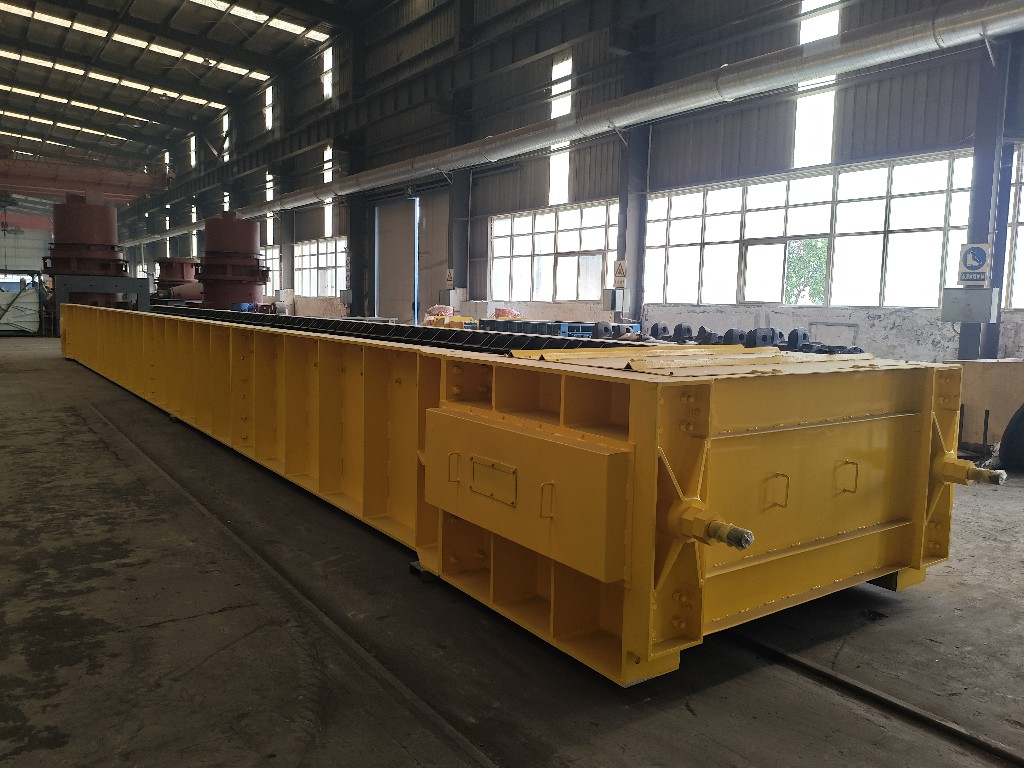
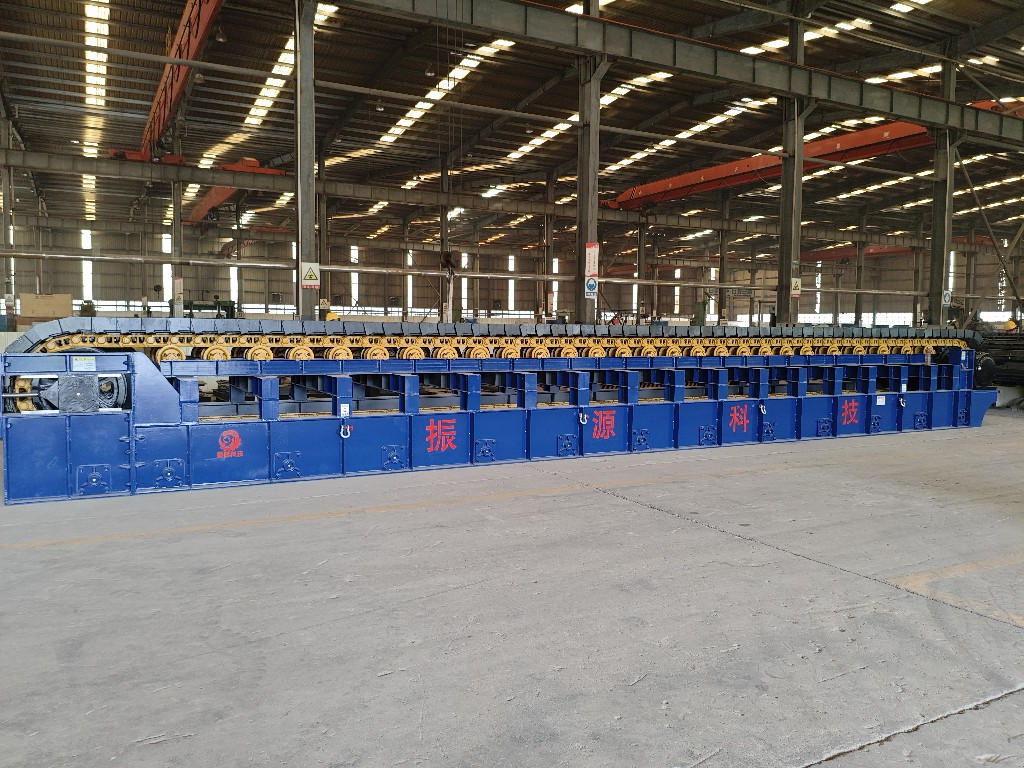
Final Thoughts
Both the Apron Chain Feeder and the Heavy Duty Apron Feeder play important roles in bulk material handling. The best choice depends on your material type, feeding capacity, installation environment, and long-term production goals.
For medium-duty feeding and controlled material transfer, an Apron Chain Feeder is practical and economical. For mining, quarrying, and primary crushing applications, a Heavy Duty Apron Feeder provides stronger performance, better impact resistance, and longer service life.
Before making a purchase, it is always wise to provide your supplier with material size, bulk density, moisture content, required capacity, and installation layout. With the right technical selection, your feeder can become a stable foundation for the whole production line.