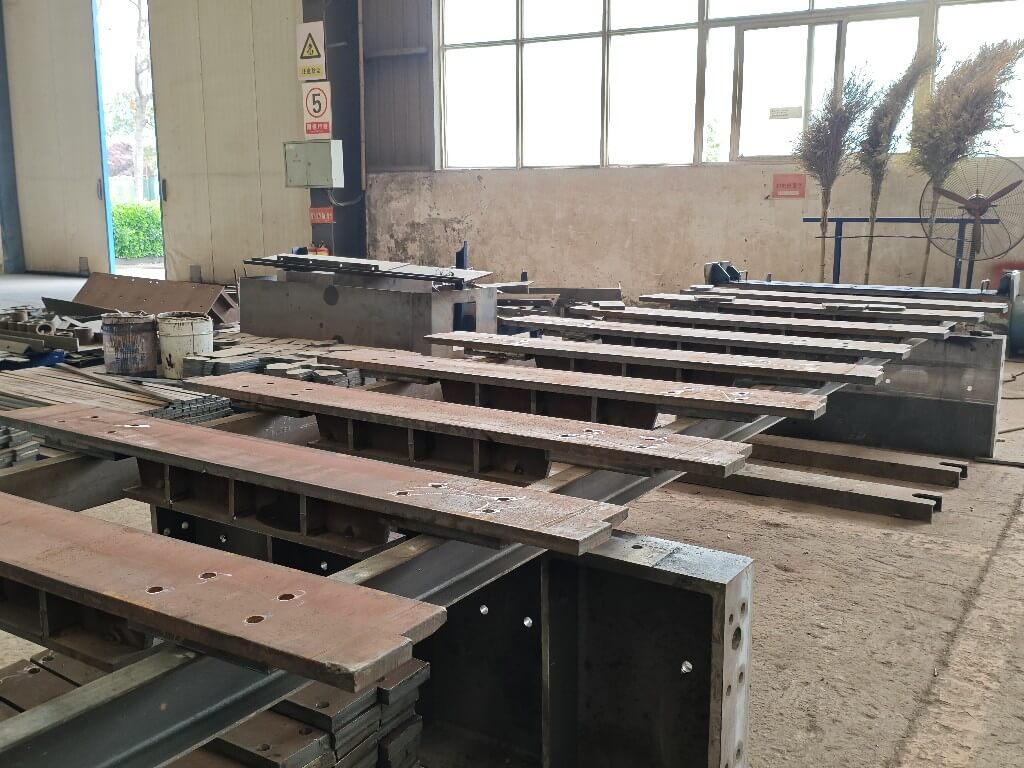
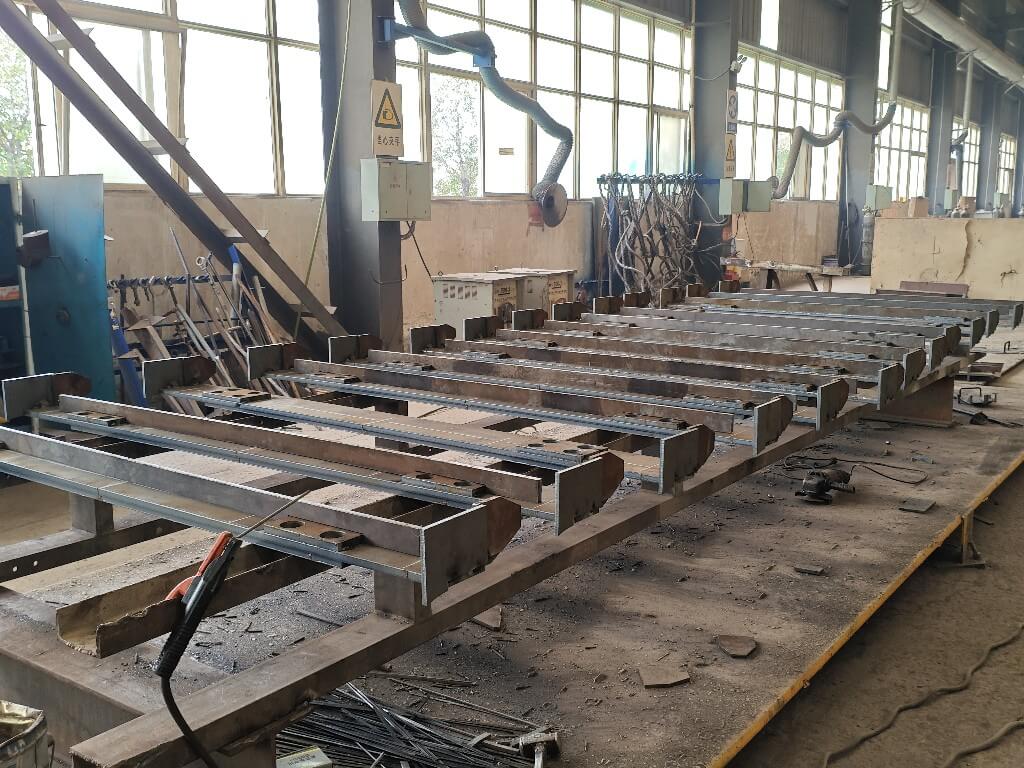
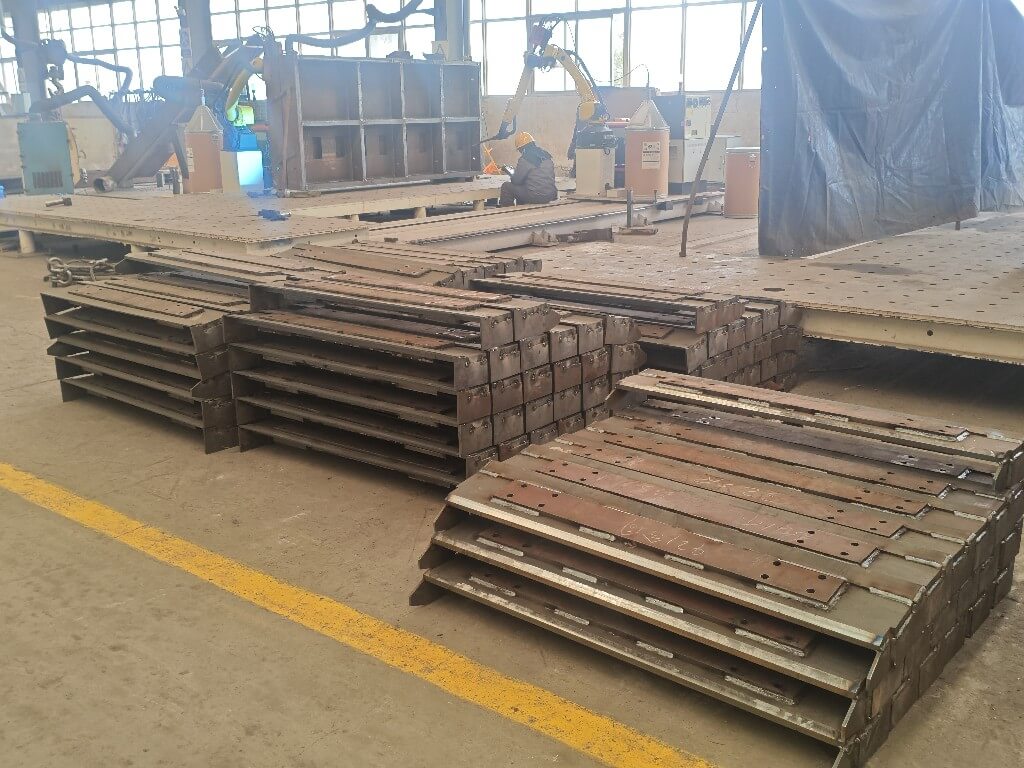
When it comes to mining and bulk material handling equipment, the manufacturing quality of the plate is one of the most critical factors that determines the performance of a Heavy-duty Apron Feeder. The plate production process usually begins with the selection of high-strength wear-resistant steel, designed to withstand continuous impact, heavy loads, and abrasive materials such as coal, ore, and limestone. Precision cutting, CNC machining, and controlled forming techniques are then applied to ensure each plate meets exact dimensional standards, allowing the Heavy-duty Apron Feeder to operate smoothly under demanding industrial conditions.
During the fabrication stage, every plate undergoes strict welding, reinforcement, and heat-treatment procedures to improve structural strength and extend service life. Advanced manufacturing methods help enhance resistance to deformation, cracking, and surface wear, which is especially important in harsh mining environments. The accuracy of the plate assembly directly affects the conveying stability and load-bearing capacity of the Heavy-duty Apron Feeder, making this production step essential for long-term operational efficiency.
Before final installation, the finished plates are subjected to rigorous quality inspections, including dimensional checks, weld testing, and surface hardness evaluation. This ensures the feeder system can maintain stable material flow with minimal downtime. A well-engineered plate manufacturing process not only improves equipment durability but also significantly reduces maintenance costs, making the Heavy-duty Apron Feeder a trusted solution for large-scale mining and industrial applications.