At 2 a.m., a crushing plant does not lose money because an hourly target was missed on a spreadsheet. It loses money because a wet, oversized lump bridges at the inlet, the feeder keeps loading, material backs up at the chute, and production stops while a crew is called. The immediate problem is a jam. The underlying problem is often that the machine was not matched to the feed.
For coal, soft rock, clay-bound ores, salt, gypsum, limestone, laterite and selected industrial minerals, the right mineral sizer can reverse this pattern. It can create steadier flow, a controlled top size, fewer disruptive interventions and a downstream circuit that works as a system. It is not a universal replacement for a jaw, cone or impact crusher; it is a purpose-built answer when low-speed, high-torque, controlled size reduction suits the material and duty.
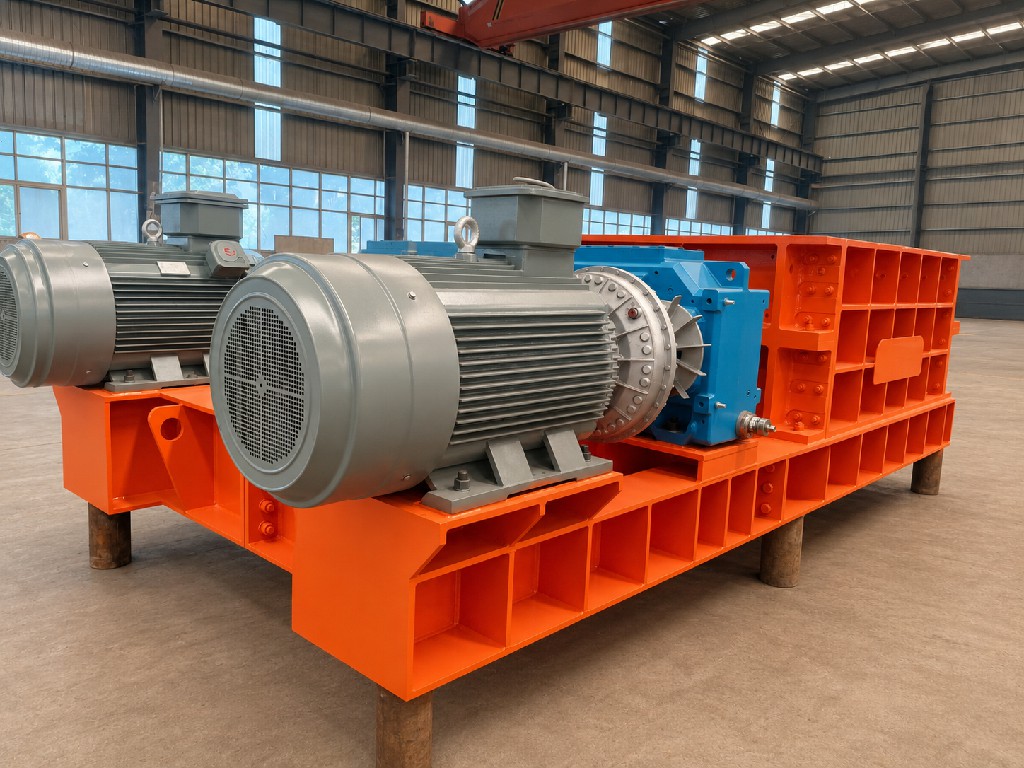
Why a Mineral Sizer Changes the Conversation
A mineral sizer reduces material between two counter-rotating, toothed shafts. The teeth grip and draw feed inward, applying tensile, bending and shear forces. Size is governed principally by tooth profile, spacing, shaft speed and machine geometry—not by compressing everything until it breaks.
That mechanism matters. Many mining and coal-handling circuits struggle less with rock hardness than with variation: a wet seam after rain, sticky clay in overburden, a blend of friable coal and hard stone, or intermittent oversize from the face. A properly selected sizer actively draws feed at low speed rather than relying only on gravity and high-speed impact. Intermeshing teeth and appropriate cleaning arrangements can help prevent build-up. The result is often more stable handling of wet or sticky feed and fewer unnecessary fines.
“Properly selected” is essential. A sizer cannot compensate for a poorly designed chute, uncontrolled surge, or an unrealistic expectation that one machine will accept every lump. The best installations define the actual duty before choosing a model.
From Stoppages to Stable Feed
Unplanned downtime rarely begins when a drive trips. Warning signs often appear first: rising motor load, uneven feed, repeated choking, carryback, manual clean-up, accelerating tooth wear, or an expanding gap between nominal and achieved throughput. Each symptom has a production cost and exposes people to more difficult work around a congested plant.
The right mineral sizer addresses the cause in several ways. A generous inlet and positive draw can reduce bridging for suitable feed. A correctly designed tooth pattern breaks oversize at a controlled rate rather than creating a broad, chaotic discharge. Low shaft speed reduces the violent ejection associated with high-speed impact machines, while torque and protective controls help manage occasional difficult material.
The practical gain is a calmer circuit. Feeders run nearer their intended rate, conveyors see fewer surges, screens are less likely to be overwhelmed, and the downstream crusher or mill receives material within its preferred top-size range. Availability improves when the plant is no longer stopped to recover from the last disturbance.
Protecting Downstream Capacity
A sizer should be evaluated as part of a circuit, not as an isolated box on a layout drawing. Downstream equipment determines what “good” product means. If a belt has a limited load zone, a screen needs a narrow top size, or a mill performs best with controlled feed, the sizer discharge must be designed around that constraint.
This is where selective breakage has commercial value. Coal operations may want to limit fines before washing or screening. Cement and industrial-mineral plants may need consistent feed for conveying, blending or further reduction. In mines, controlling oversize can protect transfer points and keep problem lumps out of later stages. The objective is not always the smallest product; it is the right product for the next machine.
Avoidable fines can increase dust, recirculating load and the burden on screening equipment. These gains must be confirmed against site data, because moisture, fracture characteristics and the final specification govern the result. The engineering principle remains sound: break only as much as the circuit needs.
The Design Work That Separates a Good Sizer from an Expensive Lesson
An experienced supplier will ask difficult questions before proposing a mineral sizer. Answers should come from representative samples, operating records and, where possible, pilot or bulk testing—not a single hand specimen.
Start with the feed: maximum lump size and its frequency; size distribution; bulk density; moisture; clay or plastic fines; abrasiveness; strength and fracture behavior; and tramp metal, timber or other foreign material. Material that looks alike in a photograph may behave very differently between toothed rolls.
Next, define the duty honestly. Required capacity is more than an average tonnes-per-hour figure. It includes peak rate, surge conditions, operating hours, planned availability, feed variability and the consequences of upstream surges. Specify the product top size and distribution, then confirm what the receiving conveyor, screen, bunker or mill can accept.
Finally, examine the installation. The feeder must present material evenly across the full width. The chute must allow the machine to draw feed without creating a shelf or uncontrolled drop. Provide lifting access for wear-part changes and design discharge containment for inspection and spillage control. Integrate interlocks, emergency stops, torque or load monitoring, and a safe, site-approved isolation procedure. A reliable machine can still be made unreliable by poor access or flow geometry.
Maintenance That Supports Production
Low speed does not mean no maintenance. Tooth segments, tips, side plates, bearings, seals, shafts, gearboxes and protective systems need an inspection strategy that matches the material.
Strong maintenance programs trend power draw, shaft speed, bearing temperature, oil condition and product size. They measure tooth wear against a baseline. When tooth profiles wear beyond their design envelope, output size and capacity can drift well before a serious failure occurs.
Maintainability should be a buying criterion. Ask how teeth are retained, which lifting tools are supplied, whether wear components can be changed in sections, how long routine inspections take, and whether local spares and technical support are available. Planned work on a clear, isolated machine is safer and more productive than emergency work around a blockage.
Turning Mechanical Choice into Measurable Return
Build the business case from the plant’s own losses. Establish a baseline for availability, tonnes processed, oversize events, hours clearing blockages, wear consumption, power use, clean-up and downstream constraints. Then value recovered operating time and steadier throughput—not simply the difference in purchase price.
An extra hour of stable crushing can be worth far more than the energy saved by one drive. A product that keeps a screen or conveyor within its design window may release capacity without a new downstream line. The return may come from more saleable tonnes, lower maintenance exposure, fewer emergency callouts, improved product quality or deferred capital spending.
Commissioning makes the calculation real. Set acceptance criteria for throughput, product top size, power draw, availability, noise, spillage and wear. Tune the feeder and controls before pushing rate. Train operators to recognize changing feed behavior, then use first-cycle operating data to refine the duty.
The Right Machine Creates a More Predictable Mine
A mineral sizer will not fix poor drill-and-blast practice, inconsistent run-of-mine management or a neglected conveyor route. Nor is it the best choice for every hard, abrasive or high-reduction application. Where the feed favors low-speed shear and controlled sizing, however, it can be the pivotal machine linking mine, stockpile and process plant into a more dependable whole.
The goal is simple: less time stopped, more time producing, and fewer surprises between the excavation face and finished product. Choose a mineral sizer through material evidence, circuit thinking and a realistic maintenance plan. Done well, that choice does more than crush rock or coal.
FAQ
A correctly sized Mineral Sizer accepts the real feed envelope, draws suitable material positively through toothed shafts and delivers a controlled discharge. This can reduce bridging, unstable surges and downstream oversize events. Results still depend on consistent feeding, sound chute design, correct controls and planned maintenance.
A Mineral Sizer is commonly considered for coal, limestone, gypsum, salt, clay-bearing ores, laterite and other materials that benefit from low-speed, high-torque shear reduction. Suitability depends on lump size, strength, abrasiveness, moisture, stickiness and required product size, so representative testing is important.
Mineral Sizer capacity should be based on peak and surge feed rates, not only the average hourly target. Include bulk density, feed size distribution, moisture, expected operating availability, product specification and the receiving equipment’s limits. A supplier should validate the duty using representative material data and the complete flowsheet.
Mineral Sizer maintenance normally includes checks of tooth wear, tooth retention, shafts, bearings, seals, gearbox or drive condition, lubrication and protective controls. Trend operating load and product size so wear can be addressed before capacity declines. Safe isolation and access provisions are essential for every inspection or change-out.