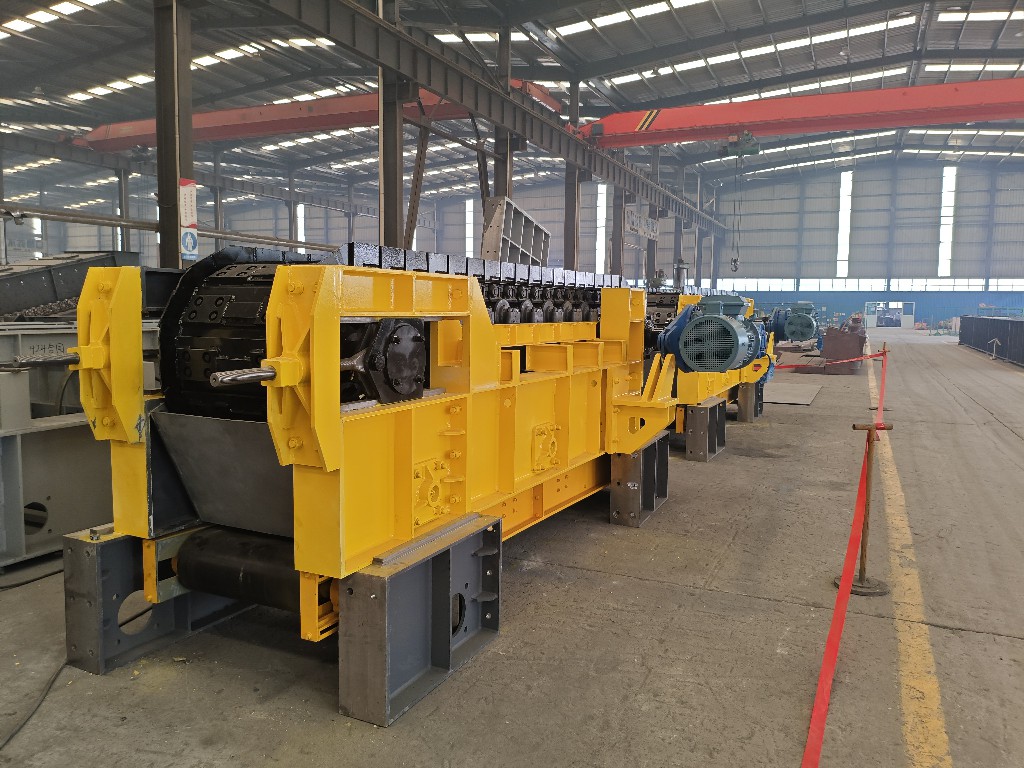
Buying an apron feeder for a mining project can feel complicated, especially when technical data sheets are filled with terms like pan width, chain pitch, installed power, and material bulk density. For purchasing teams, the goal is simple: choose reliable mining feeder equipment that matches the site conditions, reduces downtime, and delivers long-term value.
The first specification to understand is capacity, usually measured in tons per hour. This tells you how much ore, coal, limestone, or other bulk material the apron feeder can handle. A heavy duty apron feeder used under a primary crusher or stockpile hopper must be sized according to both peak load and daily operating demand.
Next, look at pan width and feeder length. Wider pans support larger material lumps and higher throughput, while feeder length depends on the hopper design and discharge layout. If the feeder is too small, material flow becomes unstable. If it is oversized, energy use and investment cost may increase unnecessarily.
Another important factor is drive power. A mining apron feeder must have enough torque to start under a full load, especially in harsh conditions. Reliable gearboxes, motors, and control systems help protect the equipment from sudden overloads.
Purchasing teams should also check wear protection, including manganese steel pans, impact rails, and replaceable liners. These parts directly affect service life when handling abrasive rock or heavy minerals.
In short, apron feeder mining specifications are not just engineering details. They are buying signals. A well-selected apron feeder improves production stability, lowers maintenance costs, and supports safer bulk material handling across the mining process.
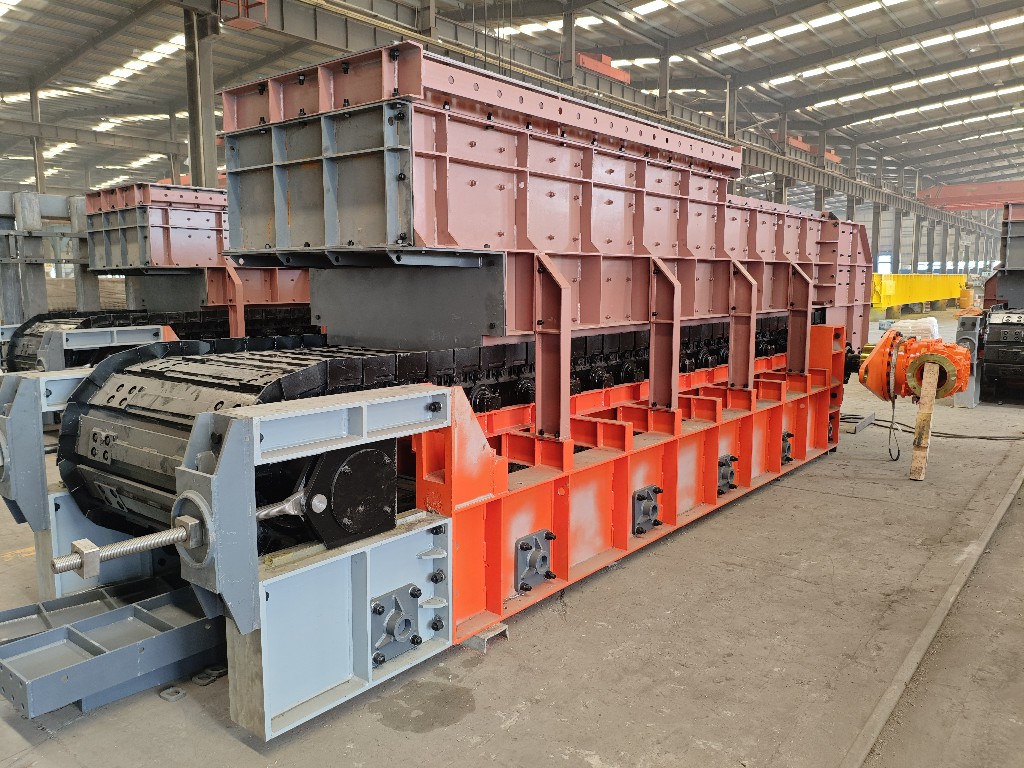
The most important specifications include capacity, pan width, feeder length, material size, installed power, chain type, and wear liner design.
A heavy duty apron feeder provides controlled material discharge, handles large lump sizes, and reduces impact stress on crushers and conveyors.
The right capacity depends on material density, lump size, hopper design, and required tons per hour. Always calculate for peak operating conditions.
Wear protection extends equipment life, reduces shutdowns, and lowers replacement costs when processing abrasive ore or rock.
Choose a manufacturer with proven mining experience, customized design capability, clear technical documentation, and reliable after-sales support.