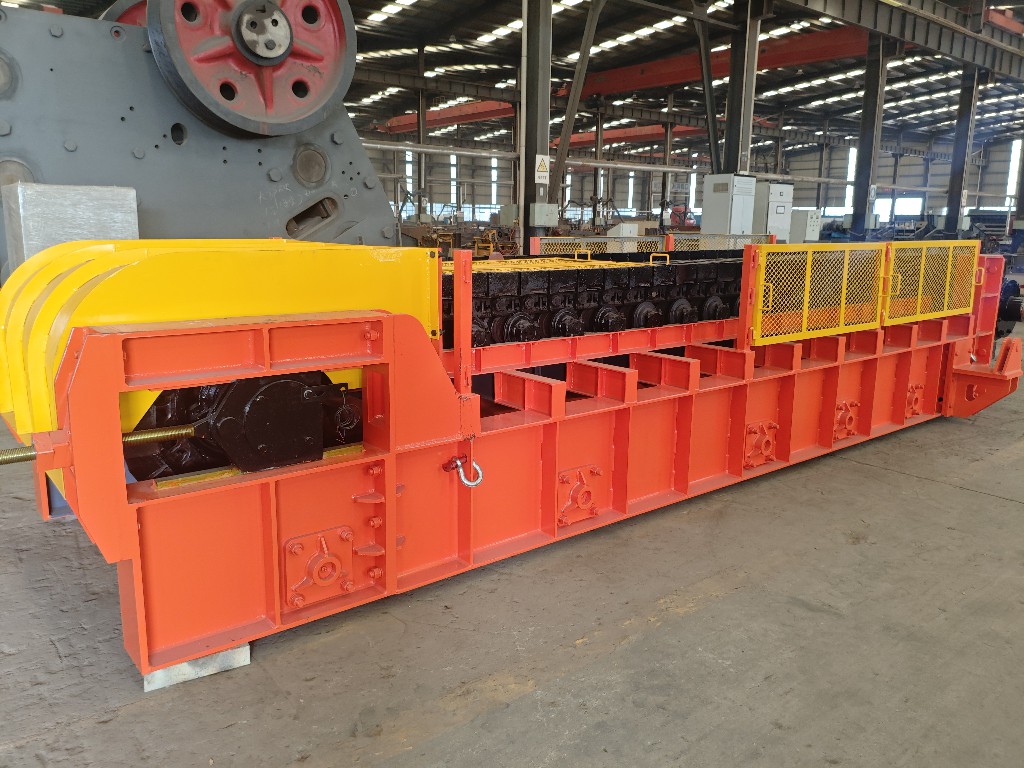
In modern high-tonnage mineral processing operations, the extraction circuit relies heavily on the continuous, uninterrupted transfer of run-of-mine (ROM) materials. Feeders serve as the primary critical bridge between primary excavation, primary crushing, and downstream processing circuits. Without robust, engineered feeding solutions, even the most advanced crushing circuits face severe bottlenecks, unscheduled downtime, and premature equipment wear.
The Engineering Behind Continuous High-Tonnage Material Feeding
Operating under extreme impact loads, heavy abrasion, and erratic material sizing requires specialized mechanical feeder architectures. Advanced heavy-duty apron feeders and heavy-tonnage vibrating feeders are custom-engineered to handle huge lump sizes, wet sticky ores, and high-density mineral aggregates directly from dump hoppers.
Key Innovations Driving Heavy-Duty Mining Feeder Performance:
- Impact-Resistant Flight Pans: Forged alloy steel pans designed to absorb extreme kinetic energy during direct truck or loader dumping.
- Variable Speed Drive (VSD) Precision: Automated real-time volumetric feed rate adjustment to eliminate surges into downstream primary crushers or mineral sizers.
- Zero-Jam Spillage Prevention: Precision-overlapping pan designs combined with heavy-duty side skirts to contain fine particles and eliminate mechanical jamming.
- Heavy-Duty Caterpillar-Style Chains: Tractor-type chain assemblies engineered for extreme tensile strength, low maintenance, and extended wear life in abrasive environments.
Eliminating Bottlenecks and Maximizing Circuit Profitability
In harsh mining and coal handling applications, improper feed rate control leads to costly downtime and accelerated wear on conveyor belts and crushing shafts. By integrating modern severe-duty mining feeders equipped with automated structural wear monitoring, operators achieve smooth volumetric material flow, optimize overall plant throughput, and significantly lower total cost of ownership (TCO).
Frequently Asked Questions (FAQ)
Heavy-duty apron feeders utilize self-cleaning overlapping pan geometries, high-torque hydraulic or electric drive units, and integrated scraper systems that continuously clear sticky material, preventing buildup and maintaining consistent feed rates.
An apron mining feeder is ideal for heavy-impact, primary hopper dump applications with large lump sizes and sticky ROM materials, whereas a vibrating mining feeder excels at controlled volumetric feeding and preliminary fines screening for secondary processing circuits.
Advanced mining feeders feature heat-treated forged alloy wear components, tractor-style chain assemblies with sealed lubrication, and modular liners that allow quick on-site replacements without complete disassembly.
Selecting the proper mining feeder requires evaluating maximum lump size, material bulk density, moisture content, peak dump tonnage (TPH), and the required feed rate matching the primary crusher’s intake capacity.