A mineral sizer crusher is designed to deliver dependable, controlled reduction of ROM coal, soft to medium-hard minerals, clay-bound ore, limestone, oil sands, and similar bulk materials. Its low-speed, high-torque rolls can handle demanding duties with relatively low dust generation and reduced fines. However, reliable performance depends on more than the crusher itself. Feed consistency, tooth condition, roll clearance, drive protection, lubrication, structural rigidity, and operator response all influence availability and product quality.
When a mineral sizer crusher begins stopping unexpectedly, vibrating excessively, or producing too much oversize, the temptation is to make a quick adjustment and restart production. That approach can hide the real cause and turn a manageable issue into damaged rolls, broken teeth, bearing failure, or lost production time. Effective troubleshooting starts with evidence: alarm history, operating trends, material samples, vibration readings, and a disciplined physical inspection after proper isolation.
The following guide focuses on the most common mineral sizer crusher operating problems and the corrective actions that help restore safe, stable, and efficient crushing.
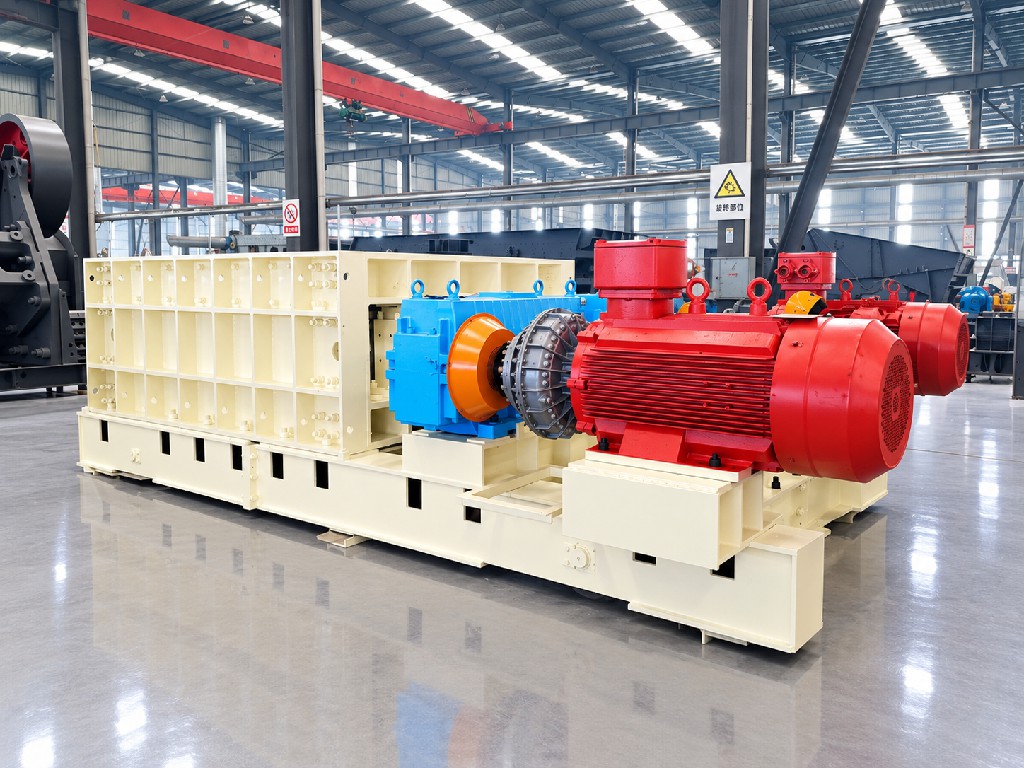
Addressing Unplanned Stoppages and Jammed Crusher Rolls
Unplanned stoppages usually occur because the protection system detects an abnormal condition, such as excessive torque, motor overload, high bearing temperature, low lubrication pressure, hydraulic relief activation, or an electrical fault. The trip is only a symptom. Resetting the crusher without finding the cause may lead to another stoppage or serious damage.
First, review what happened before the trip. Check whether the crusher was near its rated capacity, whether the feed conveyor surged, and whether the material was wetter, stickier, or more abrasive than usual. Also confirm that tramp steel, oversized rocks, or other uncrushable material did not enter the crusher. These checks often identify the cause faster than inspecting the drive alone.
Unstable feed is a common reason for overload. A mineral sizer crusher works best with an even feed across the full roll width. A sudden surge can exceed the available torque, while one-sided feeding causes uneven tooth wear and concentrated loading. Wet fines, clay, or frozen lumps may bridge above the chamber and then fall as a heavy mass. In coal handling, moisture and fines can pack between the teeth and reduce crushing space.
If the rolls jam, stop the upstream feed, isolate all energy sources, and follow the site lockout procedure. Never clear a jam while material is unstable or stored mechanical energy remains. After isolation, inspect for oversized feed, tramp metal, compacted material, broken teeth, or material wrapped around a roll. Compare both rolls. A one-sided blockage may indicate uneven feeding, while a full-width blockage may result from sticky feed or excessive fines.
Use reversing or inching only if approved by the manufacturer. Repeated jams require an upstream review of feeder rate, grizzly spacing, magnetic separation, and feed size.
Resolving Excessive Vibration and Dynamic Unbalance Problems
A sudden increase in vibration requires immediate attention, even though mineral sizer crushers operate at low roll speeds. Excessive vibration can loosen foundation bolts, damage bearings and gearboxes, fatigue structural steel, and affect nearby conveyors, chutes, and transfer points.
First, determine whether the vibration is new, increasing, or related to a specific operating condition. Measure vibration with the crusher empty and under load. Record roll speed, throughput, motor current, and material type, then compare the results with earlier baseline readings. If the crusher runs smoothly when empty but vibrates under load, the problem may involve feed distribution, tooth engagement, or material build-up rather than a rotating component.
Material build-up is a common cause of dynamic unbalance. Wet or sticky material may attach to one roll, especially around worn teeth or recessed areas. Even a small amount can create a major imbalance if it is concentrated away from the centerline. Inspect both rolls for packed material, missing teeth, uneven tooth patterns, and different wear levels across the roll width.
Next, inspect foundation bolts, hold-down bolts, gearbox mounts, torque arms, guards, and structural welds. Look for fretting, cracked paint, or movement around base plates. Check coupling condition and alignment between the motor, gearbox, and crusher. A worn coupling or misaligned drive can transfer vibration to the roll assembly and reduce bearing life.
Also inspect bearings, shafts, roll shells, and tooth assemblies. Damaged bearings, excessive axial movement, bent shafts, cracked shells, or missing teeth can create repeated vibration. Frequency analysis can help identify unbalance, misalignment, bearing damage, gear-mesh problems, or structural resonance.
Do not simply tighten bolts and stop. Remove build-up, correct feed distribution, replace damaged parts, align the drive, verify the foundation, and establish a new vibration baseline after repair.
Correcting Material Oversize Issues Caused by Tooth Clearance Drift
A mineral sizer crusher is designed to produce a controlled top size. When oversize appears in the discharge, the cause is not always hard feed or insufficient crusher capacity. Tooth wear and clearance drift are common and often correctable causes.
Product size depends on tooth profile, tooth spacing, roll speed, roll diameter, breaker-bar design, chamber geometry, material properties, and operating clearance. As teeth wear, their height and shape change. Larger openings may allow material to pass before it is properly gripped and broken. Worn teeth may look acceptable from a distance, but blunt profiles reduce cutting action and allow large slabs or elongated pieces to escape.
Clearance can also change because of bearing wear, axial movement, damaged spacers, loose adjustment hardware, roll-shell wear, or structural distortion. These changes usually develop gradually, so oversize problems may increase over time.
Start with representative product samples rather than visual inspection alone. Collect samples during normal production, screen them, and compare the top-size distribution with plant or contract requirements. Then inspect tooth height, wear patterns, and tooth consistency across the full roll width. A single badly worn area can create an oversize path even when the rest of the roll appears acceptable.
Measure roll-to-roll and roll-to-breaker clearances at the positions specified by the manufacturer. Compare the results with the original setting and permitted tolerance. Do not use a generic clearance value from another model because settings depend on roll design, tooth type, feed properties, and required product size.
If adjustment is allowed, reset the clearance evenly and confirm free rotation without abnormal contact. Replace cracked, loose, severely worn, or mismatched tooth segments. If the clearance quickly moves out of tolerance again, inspect the bearings, shafts, housings, and adjustment system. Repeated drift usually indicates mechanical wear that requires planned repair.
Building a More Reliable Mineral Sizer Crusher Maintenance Strategy
The strongest troubleshooting program prevents recurring faults by turning each event into usable maintenance data. Record operating hours, tonnes processed, material type, motor current, bearing temperatures, lubrication findings, vibration trends, tooth condition, clearance measurements, and every overload trip. Over time, these records reveal whether component life is driven mainly by abrasion, impact, contamination, poor feed control, or misadjustment.
Inspection intervals should reflect actual duty, not calendar dates alone. A crusher handling abrasive iron ore or hard limestone may require tooth and clearance inspections more often than one processing softer coal. Likewise, wet-season conditions can justify additional checks for build-up and chute blockages.
Operators are essential to early detection. Changes in sound, amperage, discharge appearance, vibration, or feed behavior are often noticed before an alarm trips. Give operators a clear escalation process and encourage reporting of small changes. A short, planned inspection is almost always less expensive than an emergency shutdown.
A properly maintained mineral sizer crusher is not simply a machine that runs. It is a machine that maintains stable throughput, protects itself from uncrushable material, produces the required top size, and provides predictable availability for the plant around it.
FAQ
A mineral sizer crusher usually stops because a protection system detects high torque, motor overload, high bearing temperature, lubrication trouble, or a control-system interlock. Check the alarm history, feed rate, material condition, and crushing chamber before resetting the machine.
Stop upstream feeding, isolate and verify all energy sources, and follow the site’s approved lockout procedure. Inspect for tramp metal, oversized material, packed fines, or broken tooth parts. Use reversing or inching functions only when they are manufacturer-approved and part of the documented clearing procedure.
Typical causes include material build-up on a roll, uneven tooth wear, missing teeth, damaged bearings, loose foundation bolts, coupling misalignment, gearbox issues, or structural resonance. Compare empty and loaded vibration readings to help separate mechanical faults from material-related causes.
Worn mineral sizer crusher teeth lose gripping ability and increase the effective opening through which material can pass. This can produce excessive oversize, especially when tooth clearance has drifted or wear is concentrated in one area of the roll. Regular tooth-profile and clearance measurement is the most reliable control.