A mineral sizer is built for a hard life. In a coal preparation plant, open-pit mine, quarry, or bulk-material terminal, it may handle thousands of tonnes of run-of-mine material every shift. That feed is rarely uniform. It can contain abrasive stone, wet fines, clay bands, oversize lumps, steel contamination, and sudden surges from upstream equipment. Under these conditions, wear is inevitable—but premature wear is not.
The most reliable way to reduce mineral sizer equipment wear is to treat the machine as part of a complete crushing circuit. Correct selection, steady feeding, suitable wear materials, timely inspection, and disciplined operating practices work together. The following guidance reflects the issues most often encountered in coal and mining applications.
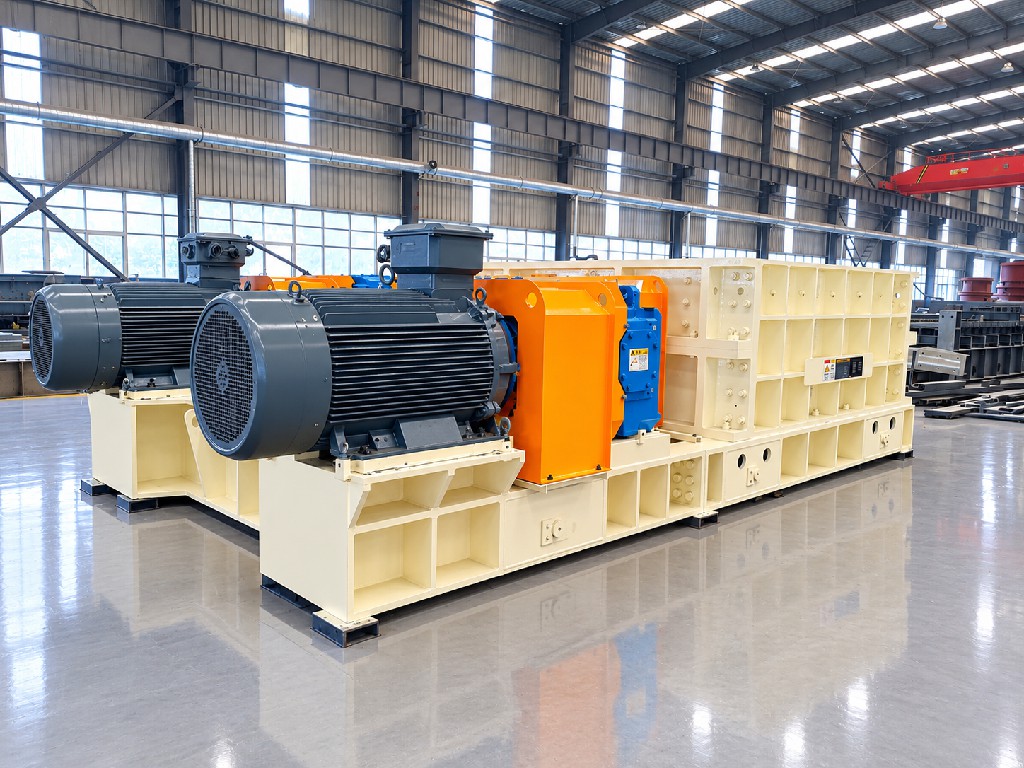
Start by Understanding What Is Wearing—and Why
Wear patterns tell a useful story. The leading edges of teeth usually wear when they are repeatedly gripping and breaking abrasive material. Tooth flanks may wear when feed is sliding across the rolls rather than being drawn consistently into the crushing chamber. Uneven wear from one side of the machine to the other often points to poor feed distribution, a misaligned chute, or a feeder that is discharging off-centre.
In many mineral sizer applications, abrasion is the dominant mechanism. Quartz-rich rock, sandstone bands, hard shale, and contaminated coal can rapidly consume conventional tooth surfaces. Impact is another common cause: large lumps dropped from excessive height can chip tooth tips, overload shafts, or damage breaker bars before normal crushing even begins. Wet, sticky material creates a different problem. It can pack between the teeth or around the rolls, forcing the machine to re-crush material and increasing heat, torque, and rubbing wear.
Before specifying a repair or a harder tooth, review the evidence. Inspect worn components, record where material enters the chamber, compare the actual feed gradation with the design basis, and examine trend data for motor load and stoppages. A wear problem is often an operating or material-flow problem in disguise.
Match the Mineral Sizer to the Real Duty
An undersized or incorrectly configured machine will always consume wear parts faster than expected. Capacity alone is not enough when selecting a mineral sizer crusher. The design must account for maximum lump size, bulk density, moisture, clay content, abrasiveness, compressive strength, required product size, and the proportion of natural fines.
Product specification also matters. Asking a primary sizer to achieve a tighter reduction than its geometry was designed for will increase recirculation, torque peaks, and wear. Where a narrow product size is essential, use appropriate staging, pre-screening, or secondary sizing rather than forcing every tonne through an overly severe first-stage duty.
Control the Feed Before It Reaches the Rolls
Even feeding is one of the strongest wear-reduction measures available. A mineral sizer performs best when material forms a consistent crushing bed across the full roll width. Starved feeding encourages individual lumps to strike teeth at high local force. Overfeeding can choke the chamber, trap material, and raise torque. Both conditions accelerate wear.
Use an apron feeder, belt feeder, or other suitable feeder to regulate the incoming stream. The feeder should spread material evenly, not send most of the load to one side of the crushing chamber. Check the chute trajectory and drop height as well. A long vertical drop can turn a normal feed stream into a series of impact events, damaging tooth tips and side liners before controlled crushing begins.
Tramp metal deserves equal attention. Although modern sizers may include overload protection, repeated contact with drill steel, bucket teeth, chain, or other uncrushable objects can fracture teeth and place exceptional stress on shafts, gears, and couplings. Use magnets, metal detection, and well-defined response procedures wherever the risk justifies them.
Select Tooth and Liner Materials for the Material, Not the Catalogue
Wear-resistant components are not interchangeable commodities. Tooth geometry, base material, hardfacing, and attachment method must suit the feed and maintenance strategy. A very hard surface may resist abrasion but crack under severe impact; a tougher tooth may survive impact yet wear rapidly in quartz-bearing feed. Select a practical balance of hardness and toughness with the equipment manufacturer, and assess teeth, breaker bars, and liners as one wear system.
Operate Within Design Limits and Watch the Right Signals
Operators are the first line of defence against abnormal wear. They should understand the machine’s normal sound, load range, throughput, and discharge appearance. A gradual increase in motor current for the same feed rate may indicate chamber build-up, worn teeth, restricted discharge, or a developing drive issue. Repeated torque trips are not simply nuisances to reset; they are evidence that the crushing duty needs attention.
Maintain the specified roll speed and shaft synchronization. Running above the intended speed can increase impact and fines generation, while incorrect synchronization can damage intermeshing components. Any adjustment to tooth settings, torque limits, control logic, or reversing sequence should follow the manufacturer’s documented procedure. Uncontrolled reverse operation may clear a temporary blockage, but repeated reversing without diagnosing the cause can compound wear.
Make Inspection and Lubrication a Measured Routine
Effective maintenance is condition-based, not merely calendar-based. Establish inspection intervals according to duty severity and use the same reference points each time. Measure tooth height or profile loss, check roll and breaker-bar clearances, inspect liners and fasteners, and look for cracks, looseness, leakage, abnormal vibration, or material build-up. Photographing components from consistent positions makes progressive wear much easier to judge.
Follow the specified lubricant grade, cleanliness requirements, fill levels, and intervals for gearboxes, bearings, and centralized lubrication. Keep operating records that link wear life to tonnes processed, feed source, moisture, power demand, and maintenance actions. A tooth set that suddenly deteriorates faster is a reason to investigate the feed—not merely to order replacements sooner.
Plan Wear-Part Replacement Before Production Is Affected
Replace components in a balanced pattern. Changing only the visibly worst teeth may seem economical, but significant differences in profile around the roll can produce uneven loading and inconsistent sizing. Your maintenance plan should define acceptable wear limits, replacement sets, required tools, torque values, and inspection checks before the machine is returned to service.
After a rebuild, confirm that the feeder and chute are still directing material correctly. A sizer can leave the workshop in excellent condition and return to the same off-centre feed pattern that caused the original problem. Closing that loop is what turns maintenance from a repair activity into genuine wear control.
Reduce Wear by Managing the Whole Crushing System
Long wear life comes from consistency: consistent feed, consistent crushing geometry, consistent lubrication, and consistent inspection. A well-selected mineral sizer does not need to be treated gently, but it must be operated within the duty it was engineered to perform. By removing bypass fines, controlling impact loading, selecting appropriate wear components, and acting on early condition signals, mining and coal operations can protect availability while keeping product size under control.
The practical question is not, “How long can we keep these teeth in service?” It is, “Are these teeth still delivering safe, efficient, and predictable crushing?” That shift in focus helps turn mineral sizer wear from an emergency maintenance issue into a controllable operating cost.
FAQ
Mineral Sizer Equipment teeth should be inspected at a frequency based on abrasiveness, feed variability, and operating hours. High-duty mining applications may need shift checks and scheduled detailed measurements, while lighter duties may use weekly visual inspections. Track wear against tonnes processed to set a reliable interval.
Yes, provided the Mineral Sizer Equipment has suitable tooth geometry, roll spacing, and feed control for the material. Limiting excess water, preventing chamber build-up, and avoiding repeated re-crushing are important for controlling wear with wet coal, clay, shale, or similar materials.
The primary wear parts on Mineral Sizer Equipment are usually the teeth or tooth segments, breaker bars, side liners, and chute liners. Their condition affects grip, sizing accuracy, capacity, and protection of the underlying structure, so they should be inspected together.
In many applications, yes. Pre-screening lets undersize material bypass Mineral Sizer Equipment instead of rubbing through the crushing chamber. This can reduce abrasive contact, improve throughput, and extend the service life of teeth and liners, provided the screen is correctly matched to the process.
Uneven roll wear on Mineral Sizer Equipment commonly results from off-centre feeding, uneven feeder discharge, a misdirected chute, mixed feed conditions, or inconsistent tooth replacement. Inspect feed distribution first, then verify roll alignment, tooth condition, and the configuration of nearby liners and breaker components.