In coal handling and mineral processing, yield is not simply a measure of tonnes per hour. It is the amount of valuable, usable material delivered at the right size, with the least possible waste, fines, downtime, and rehandling. A crushing circuit that appears productive on paper can still erode profitability if it creates excessive undersize material, overloads downstream equipment, or requires frequent maintenance interventions.
That is why more operations are re-examining the role of the mineral sizer in primary and secondary crushing. Designed around low-speed, high-torque twin shafts with intermeshing crushing teeth, a mineral sizer offers a controlled approach to reducing run-of-mine material. Rather than relying mainly on high-impact breakage, it grips, shears, splits, and sizes material along its natural fracture planes.
For coal, clay-bearing ore, limestone, bauxite, oil shale, gypsum, salt, and many other materials, this controlled crushing action can make a meaningful difference. When the machine is correctly selected and integrated into the plant, a mineral sizer can help operators scale up yield while protecting the quality and consistency of the final product.
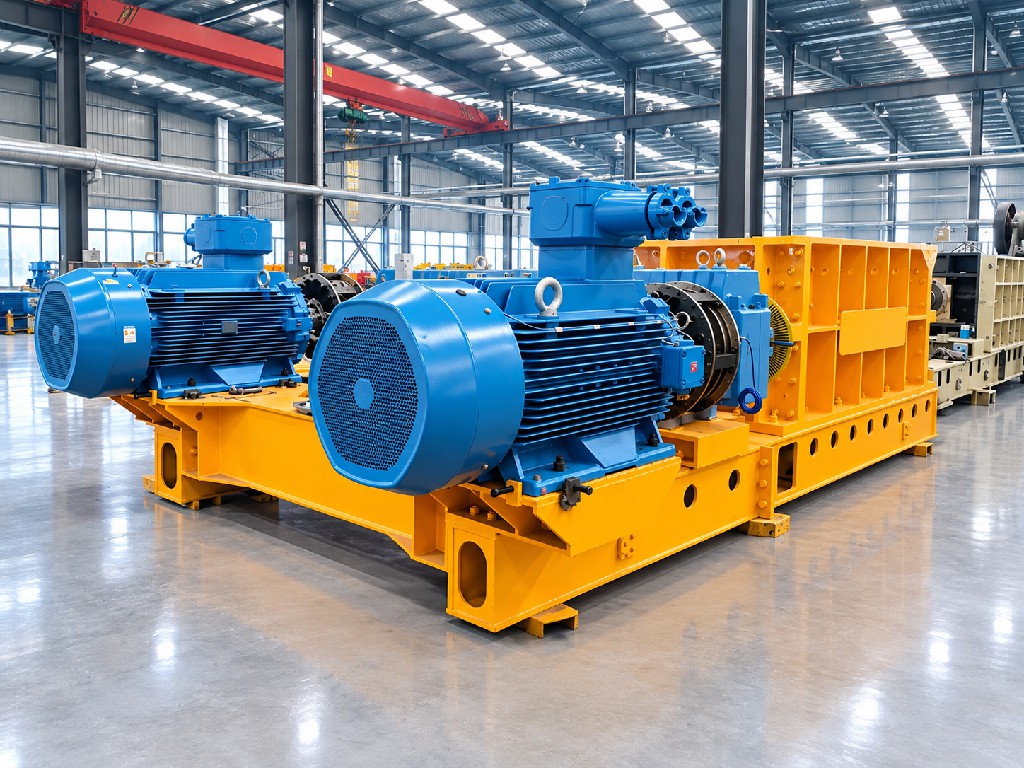
Yield Starts with Controlled Size Reduction
Every downstream process has a preferred feed size. Conveyors need a manageable lump size. Screens require a stable feed distribution. Wash plants, stockyards, boilers, kilns, and beneficiation circuits all perform more reliably when the crushing stage produces a predictable product.
A conventional crusher may reduce large material effectively, but the reduction process can also generate unwanted fines. In coal preparation, for example, excessive fines can reduce the proportion of marketable lump coal, complicate washing, increase moisture retention, and create extra dust-management work. In industrial minerals, uncontrolled fines may affect product grading, handling behavior, or downstream separation efficiency.
A mineral sizer crusher is engineered to address this challenge through controlled reduction. Its toothed rolls rotate slowly toward one another, drawing material into the crushing chamber. The teeth apply concentrated forces to the feed, exploiting weak planes and breaking the material through a combination of shear, tensile stress, and controlled compression. Material that is already small enough can pass through the changing gaps between the rolls, avoiding unnecessary re-crushing.
The result is not simply smaller material. It is more useful material at a more consistent size.
Why Low-Speed, High-Torque Crushing Matters
The central advantage of a mining sizer lies in its crushing mechanism. High-speed impact machines can be effective for certain rock types and applications, but they can also produce substantial fines, especially when handling friable, wet, or clay-rich feed. A mineral sizer takes a different route.
Low peripheral roll speed reduces violent impact and limits the tendency to pulverize material. High torque gives the machine the force required to grip and break large lumps under demanding load conditions. The tooth profile, roll diameter, tooth spacing, breaker bars, and shaft synchronization work together to determine how material enters, breaks, and exits the machine.
This matters because feed material is rarely uniform. A run-of-mine stream may contain oversize lumps, soft fragments, sticky clay, moisture, and occasional tramp material. The mineral sizer must process that variation without losing its ability to deliver a stable product size.
For this reason, a sizer should never be chosen solely by its rated capacity. The actual application must be assessed carefully: maximum feed size, bulk density, material strength, moisture level, clay content, abrasiveness, required product size, and the operating pattern of the upstream feeder all influence machine selection.
From Raw Feed to Better Saleable Product
Scaling up yield requires looking beyond the crusher itself. A mineral sizer delivers its greatest value when it is part of a properly engineered material-handling system.
In a typical coal crushing plant, a feeder regulates run-of-mine coal into the primary coal sizer. The sizer reduces oversize coal to a conveyor-friendly size while minimizing degradation of valuable lump product. If a narrower final size is required, a secondary mineral sizer or screening stage can further refine the material. The process can be configured to remove undersize material before it reaches the crushing chamber, reducing unnecessary wear and avoiding over-crushing.
For mineral applications, the same principle applies. Iron ore, bauxite, limestone, phosphate, clay, and other bulk materials can be conditioned to suit the next stage of transport or processing. In-pit and semi-mobile crushing systems particularly benefit from compact, high-capacity sizing equipment because product size directly affects conveyor performance and overall material flow.
A well-designed mineral sizer installation can contribute to yield in several practical ways:
- It produces a more uniform product for downstream handling and processing.
- It reduces the creation of excessive fines where lump retention is commercially important.
- It allows smaller material to pass without repeated crushing.
- It can process wet, sticky, and clay-containing feed that may challenge other primary crushers.
- It supports continuous flow when paired with correctly matched feeders, conveyors, and discharge chutes.
These benefits are operational rather than theoretical. When material flow becomes steadier, downstream bottlenecks become easier to identify and eliminate.
Selecting the Right Mineral Sizer for the Material
Not all sizers are interchangeable. The most effective mineral sizer is one designed around the actual material and duty, not one selected from a general capacity chart.
The first consideration is material behavior. Coal and lignite are generally friable and often require careful handling to preserve lump size. Wet clay, shale, and some weathered ores may be sticky, requiring tooth and chamber geometry that promotes self-cleaning material flow. Abrasive materials demand suitable tooth materials, replaceable wear components, and a maintenance strategy that keeps the machine operating within its intended performance range.
The second consideration is sizing duty. A primary mineral sizer may accept large run-of-mine material and reduce it to a coarse conveyor size. A secondary sizer may take pre-crushed material and produce a tighter specification for washing, screening, blending, or further processing. Required product size is controlled through the crushing geometry, including tooth design, breaker-bar arrangement, and roll settings.
The third consideration is capacity under real operating conditions. Capacity is affected by the feed gradation, fines percentage, moisture, bulk density, and the way material is presented to the machine. A surge of oversize lumps from an uneven feeder can reduce performance even if average plant throughput looks reasonable. Proper feed regulation is therefore essential. The objective is not merely to force material through the crusher; it is to create a consistent crushing bed across the full roll width.
The Importance of Tooth Design and Wear Management
Tooth design is one of the most important elements in mineral sizer performance. Different applications may require pointed, conical, pick-style, or segmented teeth. The selected design should provide reliable material grip while balancing wear life, product shape, and ease of replacement.
For sticky feed, tooth spacing and chamber geometry must help prevent build-up. For abrasive ore, replaceable tooth segments and wear-resistant surfaces can reduce maintenance time and help maintain the intended crushing profile. For coal, the focus may be on controlled breakage and low fines generation rather than aggressive reduction.
Wear management deserves the same attention as initial machine selection. As teeth and breaker components wear, the machine’s effective crushing geometry changes. This can affect product size, throughput, and power demand. A disciplined inspection program allows operators to plan component replacement before quality or capacity declines.
The best maintenance approach is proactive: monitor tooth condition, check roll synchronization, inspect the drive and lubrication system, review power trends, and keep records of feed changes. These routine actions protect the long-term return on a mineral sizer investment.
Integrating a Mineral Sizer into a High-Yield Circuit
A mineral sizer does not operate in isolation. Its performance depends on how effectively it interfaces with the rest of the plant.
Upstream, the feeder must deliver material evenly and avoid uncontrolled impact loading. Downstream, the discharge conveyor must have sufficient capacity and belt speed to accept the sized material without creating a choke point. Transfer chutes should be designed to minimize degradation, carryback, and spillage. Where required, a roller screen or vibrating screen can separate fines or classify material before or after the sizing stage.
Automation can further strengthen results. Monitoring motor load, shaft speed, feeder rate, bearing condition, and conveyor flow helps operators respond before a temporary upset becomes a production loss. Data should be used to understand the relationship between feed characteristics and crusher performance, especially when the mine face, seam conditions, or raw-material source changes.
The goal is a stable circuit: evenly fed, properly sized, easy to maintain, and capable of meeting the required product specification shift after shift.
A Smarter Path to Higher Yield
Increasing yield does not always require a larger plant footprint or a more aggressive crusher. Often, it requires better control over how material is reduced in the first place.
A properly engineered mineral sizer can help mining, coal, cement, power, and bulk-material operations turn variable run-of-mine feed into a more consistent and valuable product. By combining low-speed, high-torque crushing with application-specific tooth design and thoughtful plant integration, operators can reduce fines, support steady throughput, and improve the reliability of their complete material-handling system.
The right question is not simply, “How much material can the crusher process?” It is, “How much saleable, correctly sized material can the entire operation deliver?” For many applications, that is where a mineral sizer becomes a decisive advantage.
FAQ
A mineral sizer is used for controlled primary or secondary crushing of coal, ores, limestone, clay, bauxite, and other bulk materials. It reduces oversize feed to a specified product size for conveying, screening, washing, stockpiling, or further processing.
A mineral sizer crusher uses low-speed, high-torque toothed rolls to grip, shear, and split material along natural weak points. This controlled action can reduce unnecessary impact and repeated crushing, helping preserve a larger proportion of useful lump material.
Yes. A correctly specified coal sizer can process wet or sticky coal, but tooth configuration, roll geometry, feed control, and chute design must suit the material. Testing representative feed samples is recommended before final equipment selection.
Product size in a mining sizer is controlled through tooth profile, tooth spacing, roll configuration, breaker bars, and machine settings. The final specification should be defined alongside maximum feed size, material properties, and required throughput.
A mineral sizer is often preferred when an operation needs controlled sizing, low fines generation, compact installation, or reliable processing of wet, sticky, friable, or clay-bearing material. A jaw crusher may be more suitable for certain hard, competent rock applications requiring high compressive crushing force.